BJP's 131st Amendment Bill Defeat
BJP's defeat in women's reservation bill sparks new political tactics.
Model Diplomat3 min readIndia
BJP's Delimitation Gambit Collapses — But the Messaging War Is Just Starting
The 131st Amendment Bill fell 74 votes short of a supermajority on April 17. BJP is now betting the street can recover what Parliament couldn't.
On April 17, 2026, the BJP-led NDA government's flagship Constitution (131st Amendment) Bill was defeated in the Lok Sabha: 298 in favour, 230 against, with 528 members present — a shortfall against the two-thirds supermajority required. Prime Minister Narendra Modi addressed the nation the following evening, framing the defeat as opposition parties blocking women's empowerment. The opposition framed it as precisely the opposite.
The Bill Was Never Just About Women
The core of the fight is a deliberate legislative bundling. The 131st Amendment packaged three distinct instruments: a constitutional change to operationalize 33% reservation for women in the Lok Sabha by the 2029 elections, an ordinary bill establishing a fresh delimitation mechanism, and a third bill extending both to the Union Territories of Delhi, Puducherry, and Jammu & Kashmir.
Home Minister Amit Shah argued the three bills were inseparable. The opposition's unified counter — from Congress's KC Venugopal to Samajwadi Party to West Bengal CM Mamata Banerjee — was that the government was laundering a delimitation exercise, the most politically explosive redrawing of India's electoral map in a generation, through the morally unassailable language of women's rights.
That suspicion is structurally grounded. The BJP's base is concentrated in Hindi-heartland states — Uttar Pradesh, Bihar, Madhya Pradesh — which have grown faster demographically than southern states. Any seat-count expansion from 543 to 816 Lok Sabha seats, pegged to the 2011 census, would transfer political weight northward. Southern states — Karnataka, Tamil Nadu, Kerala, Andhra Pradesh — and smaller northeastern states would see their proportional influence diluted. For the INDIA bloc, this was less a gender bill than a regional power transfer dressed in feminist language. Source: The Hindu
The OBC angle added another fracture line. The 2023 Nari Shakti Vandan Adhiniyam — already on the books — does not carve out sub-quotas for OBC women. Parties like the SP, whose electoral coalition depends heavily on OBC mobilisation, conditioned any support on addressing that gap. The government did not move on it. Source: The Hindu
Who Benefits From the Defeat
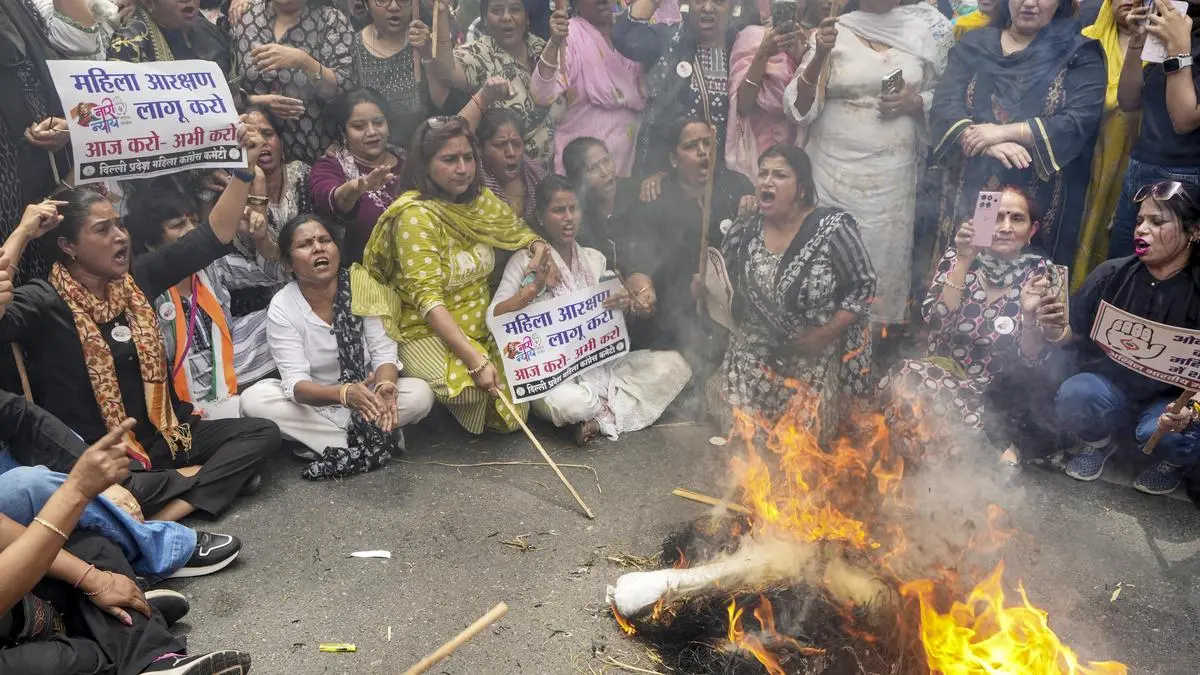
Counterintuitively, BJP may benefit more from a failed bill than a passed one. A passed amendment would have required actual seat reallocation — a multi-year process with unpredictable regional blowback inside the NDA's own coalition. A defeated bill hands Modi a clean grievance narrative aimed directly at women voters ahead of state assembly cycles. Within 24 hours of the vote, NDA women MPs were protesting outside Parliament, and JP Nadda convened a meeting to roll out a national street-protest campaign framing the opposition as "anti-woman." Source: The Hindu
The opposition coalition, meanwhile, faces its own exposure. Defeating the bill required unity across parties with deeply incompatible agendas on OBC reservation, federalism, and regional interest — a coalition easier to hold in a single vote than across a sustained campaign. Source: Frontline
What to Watch Next
Three pressure points in the coming weeks:
- BJP's street mobilisation — whether Nadda's protest campaign gains traction in swing states like Rajasthan, Maharashtra, and Bihar, where women's turnout has outpaced men's in recent cycles, will determine if this converts into durable electoral leverage.
- The 2023 Act's implementation timeline — the original Nari Shakti Vandan Adhiniyam remains law. If the government formally notifies its implementation within the existing 543-seat framework — without delimitation — it defuses the opposition's core argument while putting the burden back on them to explain why they opposed an amended version.
- The next delimitation commission — the constitutional deadline on delimitation has its own clock independent of this bill. Watch for whether the government separates the two instruments in a revised legislative push before the 2027 state election cycle begins.
For Indian politics watchers, the April 17 vote is less a resolution than an opening move. BJP lost the bill. The question is whether it wins the narrative — and whether that's what it wanted all along.
Discover more
India
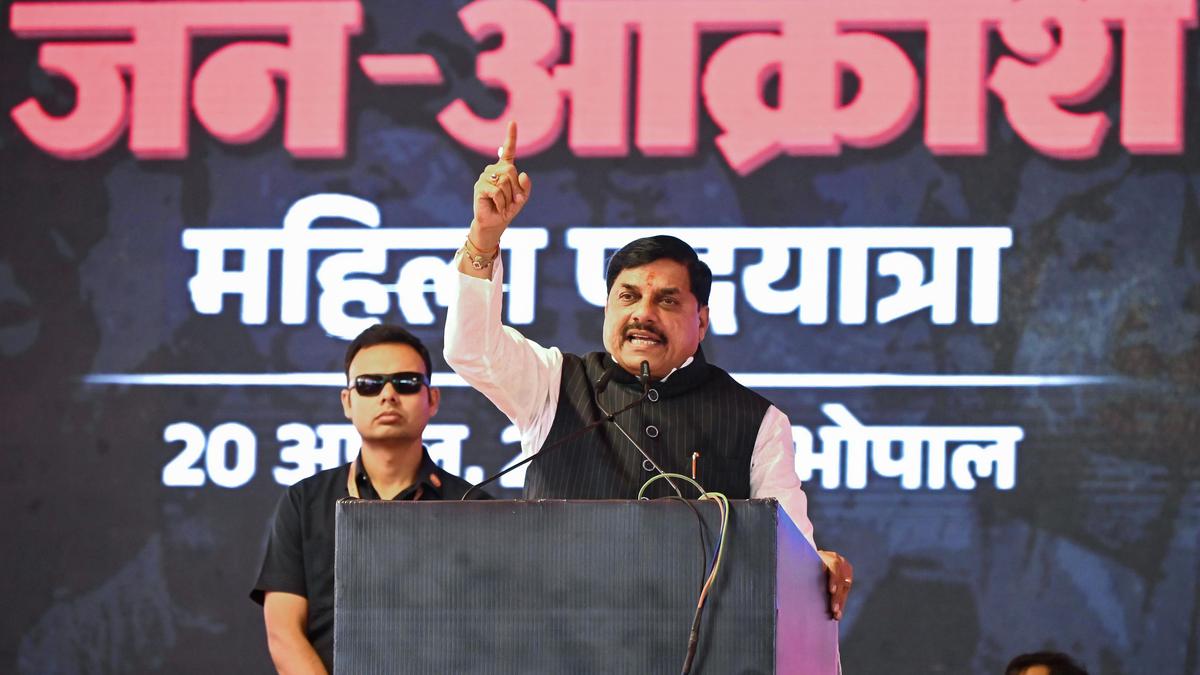
BJP Congress Clash Over MP Bill Defeat
The BJP's defeat of the women's quota amendment sparks a political narrative war with Congress, impacting future elections.
India
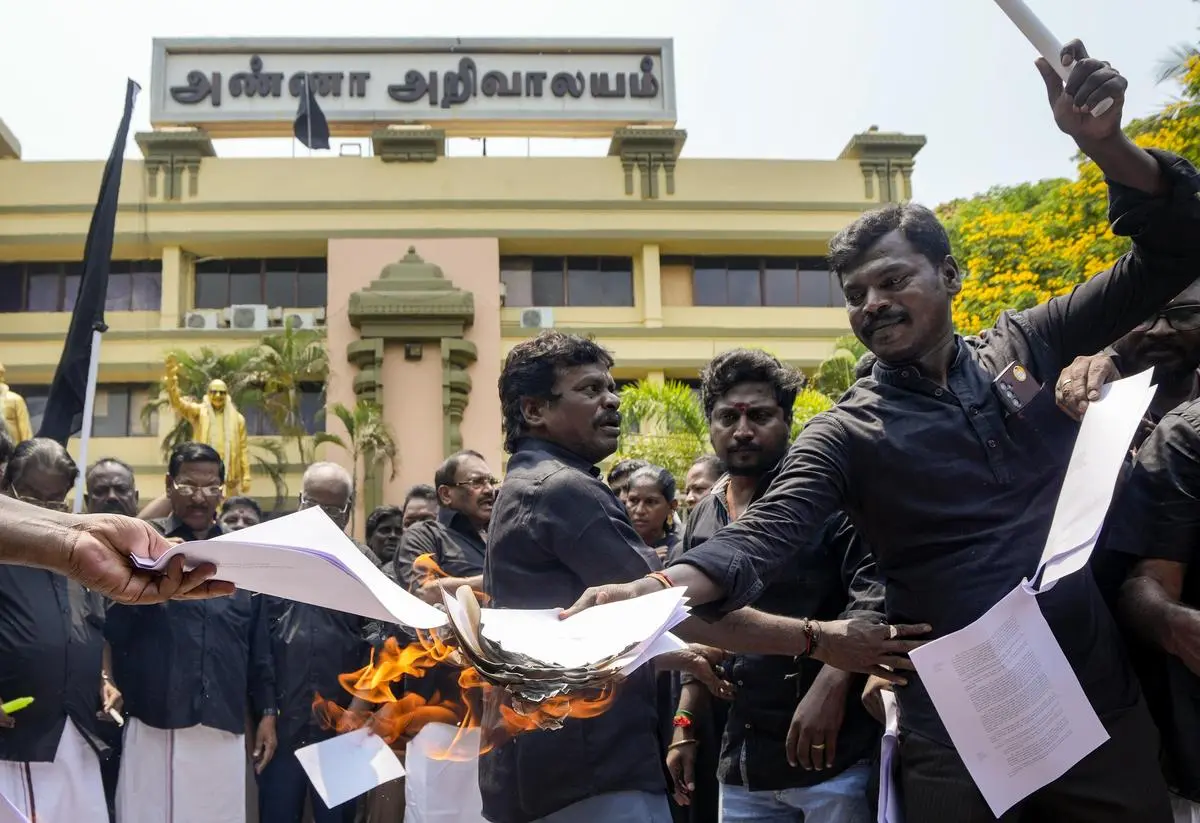
Women’s Reservation Bill 2026
The Constitution (131st Amendment) Bill, 2026 was defeated in Lok Sabha, revealing deeper political conflicts over women's reservation and delimitation.

Conflict & Security
Drone Warfare Killing Aid Workers at Unprec
Over 1,000 humanitarian workers killed in three years as cheap armed drones collapse legal protections. Gaza, Sudan, Ukraine, and DRC see deliberate targeting of aid convoys and hospitals with zero prosecutions.
Global
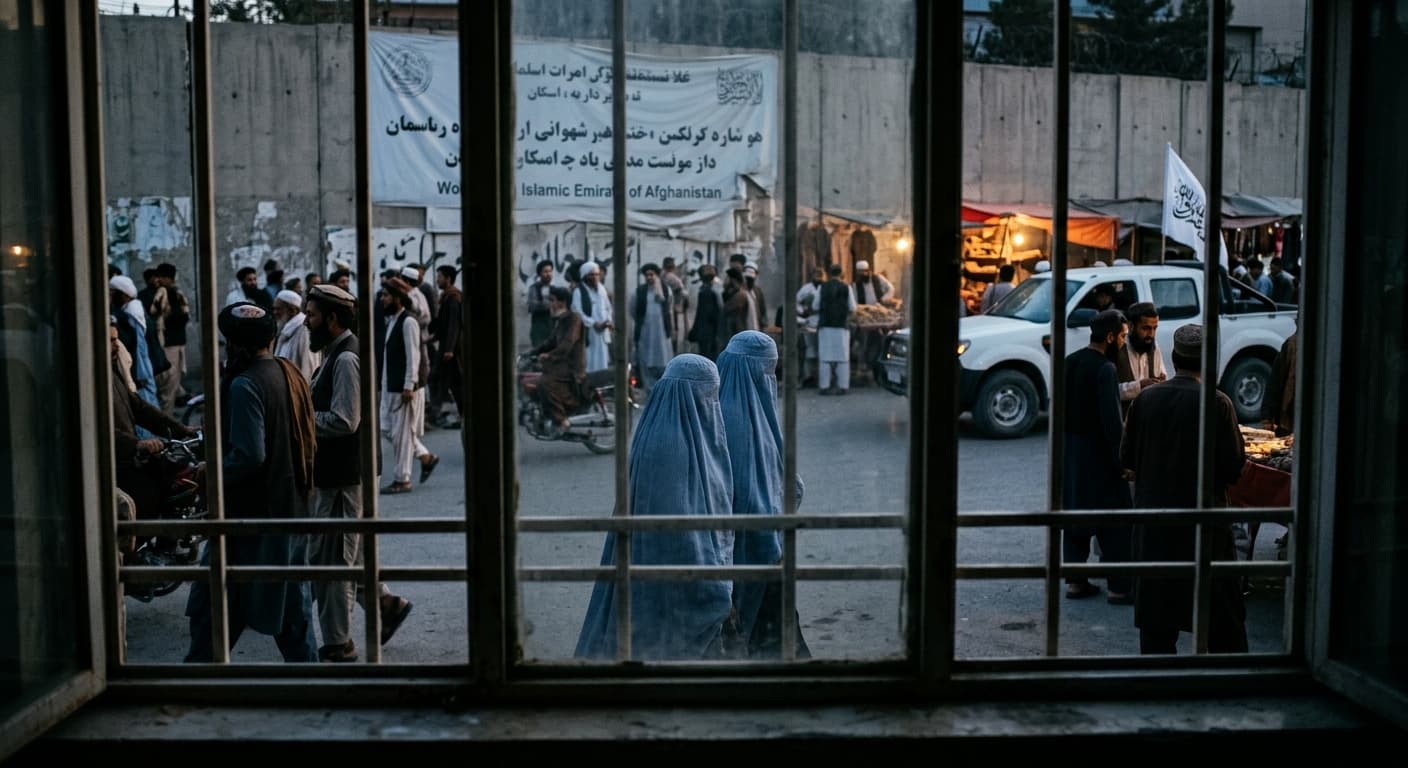
World Normalises Taliban as Afghan Women Eras
UN data shows Afghan women erased from public life as Russia recognises the Taliban, EU hosts officials in Brussels, and ICC warrants for gender persecution go unenforced.