BJP’s 12-Year Modi Drive
BJP's anniversary campaign aims to unify messaging and defend its record.
Model Diplomat3 min readAsia
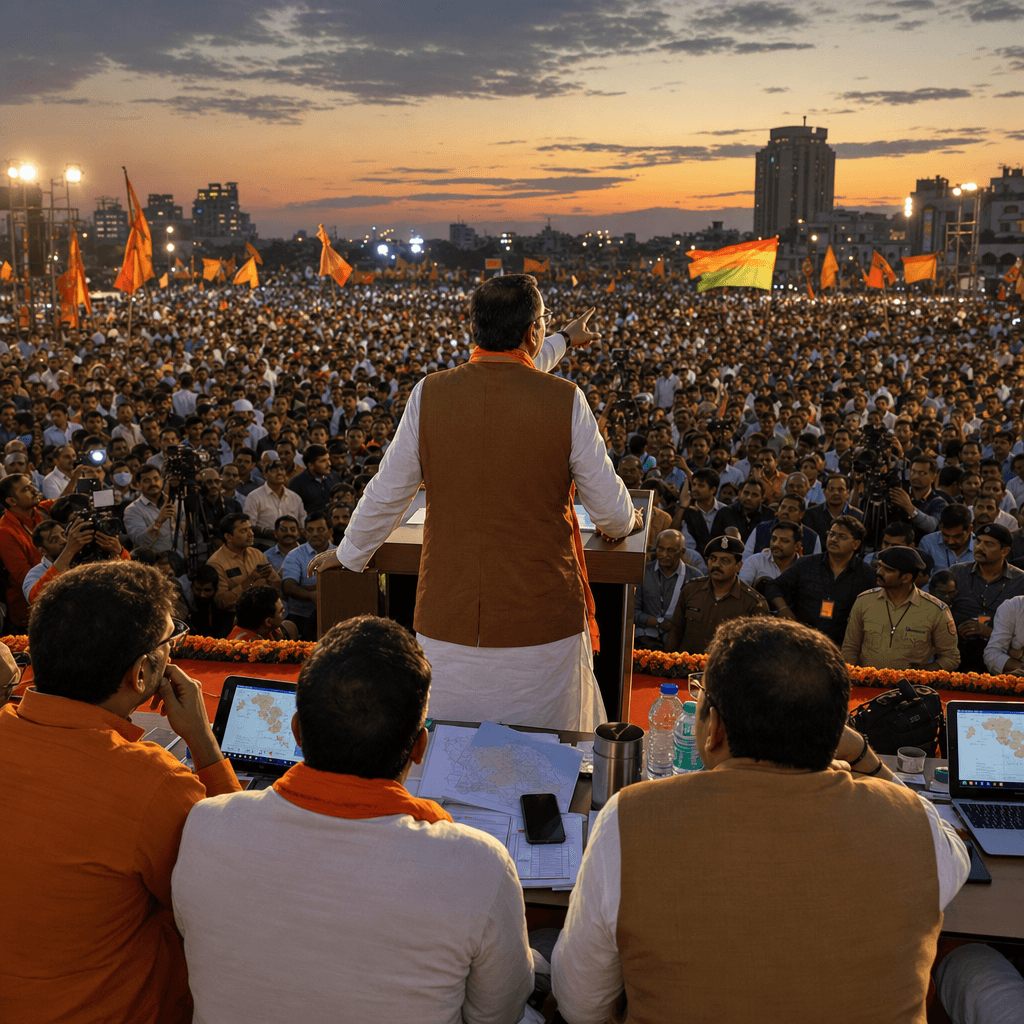
BJP’s 12-Year Modi Drive Is Really a Re-Election Machine
The party is turning an anniversary into a coordinated national pitch: defend the record, standardize the message, and pre-empt attacks on prices, jobs and self-promotion.
The BJP’s plan to mark 12 years of Modi-led rule is a nationwide communication campaign, not a ceremonial one. According to NDTV, senior Union ministers, chief ministers, MPs and party office-bearers will fan out across the country over the coming weeks with press conferences, public meetings, media hits and beneficiary outreach. The message will be tightly scripted around five themes and 22 focus areas: welfare delivery, women and youth, infrastructure and growth, national security, and culture.
What the BJP is trying to do
This is a central command exercise. By assigning leaders to specific states and themes, the BJP is trying to make sure every wing of the government sells the same story: that Modi means welfare, roads, security and national pride, not just elections. NDTV’s reporting shows the party wants to push data, flagship schemes and implementation numbers down to the grassroots, while comparing Modi’s tenure with previous governments.
That matters because the BJP is no longer operating from the comfort of a standalone majority. Since the 2024 election, the party has had to manage a coalition more carefully, and that raises the value of narrative discipline. The more the government can present itself as efficient and decisive, the easier it becomes to hold together allies and persuade voters that the loss of a majority was a pause, not a reversal.
For India, this is a familiar BJP tactic with a sharper edge: anniversaries are being used as campaign infrastructure.
Why this moment is politically useful
The BJP is also responding to a more hostile counter-narrative. The Straits Times, in a Reuters report, noted that after the 2024 setback the BJP has leaned harder on welfare delivery, national security and Hindu-right themes to rebuild momentum. That combination has helped Modi keep dominance in state politics even as the national picture became more complicated.
At the same time, the opposition is already trying to turn the anniversary push into a referendum on government priorities. The Hindu reported Congress president Mallikarjun Kharge’s charge that the government has spent heavily on advertising while leaving old-age pensions unchanged for years. That is the line of attack the BJP is trying to blunt before it hardens: not that the government has done nothing, but that it spends too much on messaging and too little on people.
The BJP benefits from forcing the debate onto its strongest terrain: implementation, visibility and leadership. The losers are Congress and other opposition parties, which are again being pushed into arguing against a machine that can claim both state power and the communication apparatus of government.
What to watch next
The key test is whether this outreach stays at the level of speeches or produces fresh commitments that can be tracked in the field. Watch which ministers are sent to which states, which schemes get repeated most, and whether the BJP pairs its “report card” with new beneficiary drives rather than just media events. If the party can turn this into a disciplined pre-campaign drill, it will strengthen Modi’s hold on the agenda well before the next election cycle. If not, it will look like expensive branding.
The next decision point is execution: whether the BJP can keep the message unified across states while opposition parties keep hammering jobs, inflation and ad spending.
Discover more
India
Modi's Women’s Convention in Varanasi
Modi's Varanasi rally frames women's reservation as a national mission, targeting the 2027 Uttar Pradesh elections with a strategic narrative.
India
BJP's Misunderstanding of Women's Quota Needs
The BJP's linking of the Women Reservation Bill to delimitation risks delaying women's empowerment in India, misreading the aspirations of female voters.
India
BJP's Delimitation Strategy
Congress leader K.C. Venugopal claims the BJP uses women's reservation to advance delimitation, raising fears over electoral fairness ahead of the 2029 polls.

Conflict & Security
Drone Warfare Killing Aid Workers at Unprec
Over 1,000 humanitarian workers killed in three years as cheap armed drones collapse legal protections. Gaza, Sudan, Ukraine, and DRC see deliberate targeting of aid convoys and hospitals with zero prosecutions.