BJP Wins West Bengal, Banerjee Stays Defiant
Mamata Banerjee refuses to resign despite electoral defeat.
Model Diplomat2 min readSouth Asia
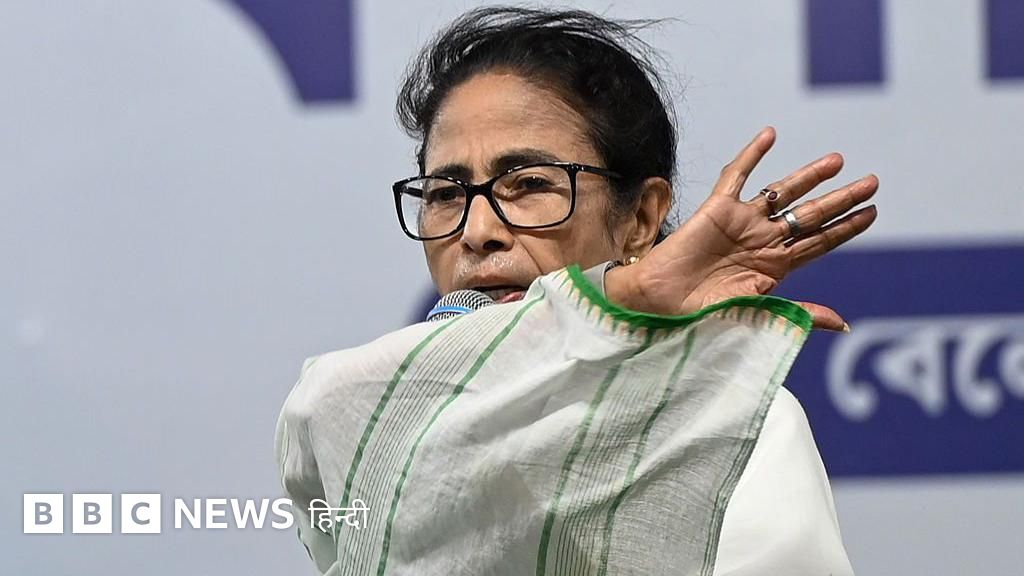
BJP Claims Bengal, Banerjee Defies Convention
BJP ousted TMC in West Bengal elections. CM Mamata Banerjee refuses to resign, citing EC bias and moral victory despite losing her seat and party majority.
The Bharatiya Janata Party (BJP) secured a significant victory in West Bengal's Assembly elections, declared May 5, 2026, unseating the Trinamool Congress (TMC). Chief Minister Mamata Banerjee has publicly refused to resign, despite her party losing its majority and her personal defeat in the Bhabanipur constituency. Banerjee declared she "did not lose the elections," framing the outcome as a "forceful attempt" by the Election Commission (EC) to undermine her party. [Source: The Hindu]
Constitutional Framework Under Pressure
Under established constitutional practice in India, a Chief Minister must command the confidence of the Legislative Assembly. Victory in elections, or at least securing a majority of seats, is the prerequisite for forming a government. Mamata Banerjee lost her own seat, and her party, the Trinamool Congress, fell significantly short of a majority, securing 81 seats to the BJP's 206 in the 293-seat Assembly. [Source: The Hindu] Typically, this scenario necessitates the Chief Minister's resignation to allow the party with the majority mandate to form the government. Banerjee's defiance, however, centers on her accusation of systemic bias by the Election Commission, which she claims denied her party a true victory. She has asserted a "moral win," positioning her refusal as a stand against an illegitimate process rather than an admission of electoral defeat. [Source: The Hindu]
Power Recalibration and Future Stakes
The BJP now holds the legislative mandate to form the government in West Bengal. [Source: The Hindu] Banerjee's refusal is a political maneuver, not a constitutional one that can alter the Assembly's composition. Her strategy appears aimed at preserving her political capital and national relevance. By decrying the EC's role, she seeks to galvanize her party base and project an image of resilience within the opposition's INDIA bloc, a key component of Global Politics. [Source: The Hindu] The TMC loses direct control over the state administration and its instruments of power. The BJP gains the opportunity to implement its governance agenda. Banerjee, while conceding state power, aims to retain influence as a prominent opposition leader, potentially focusing on national political contests.
What to Watch Next
The immediate development to monitor is the Governor's response. He is constitutionally empowered to seek proof of majority from the incumbent or invite the leader of the majority party to form the government. The BJP will likely present its elected MLAs and stake its claim promptly. Banerjee's next moves will involve consolidating opposition to the incoming BJP government, exploring any available legal avenues to challenge the election results, and redefining her party's role and her own within the national opposition landscape. A repoll is scheduled for the Falta seat on May 21, 2026, a minor detail amidst this significant power transition. [Source: The Hindu]
Discover more
India
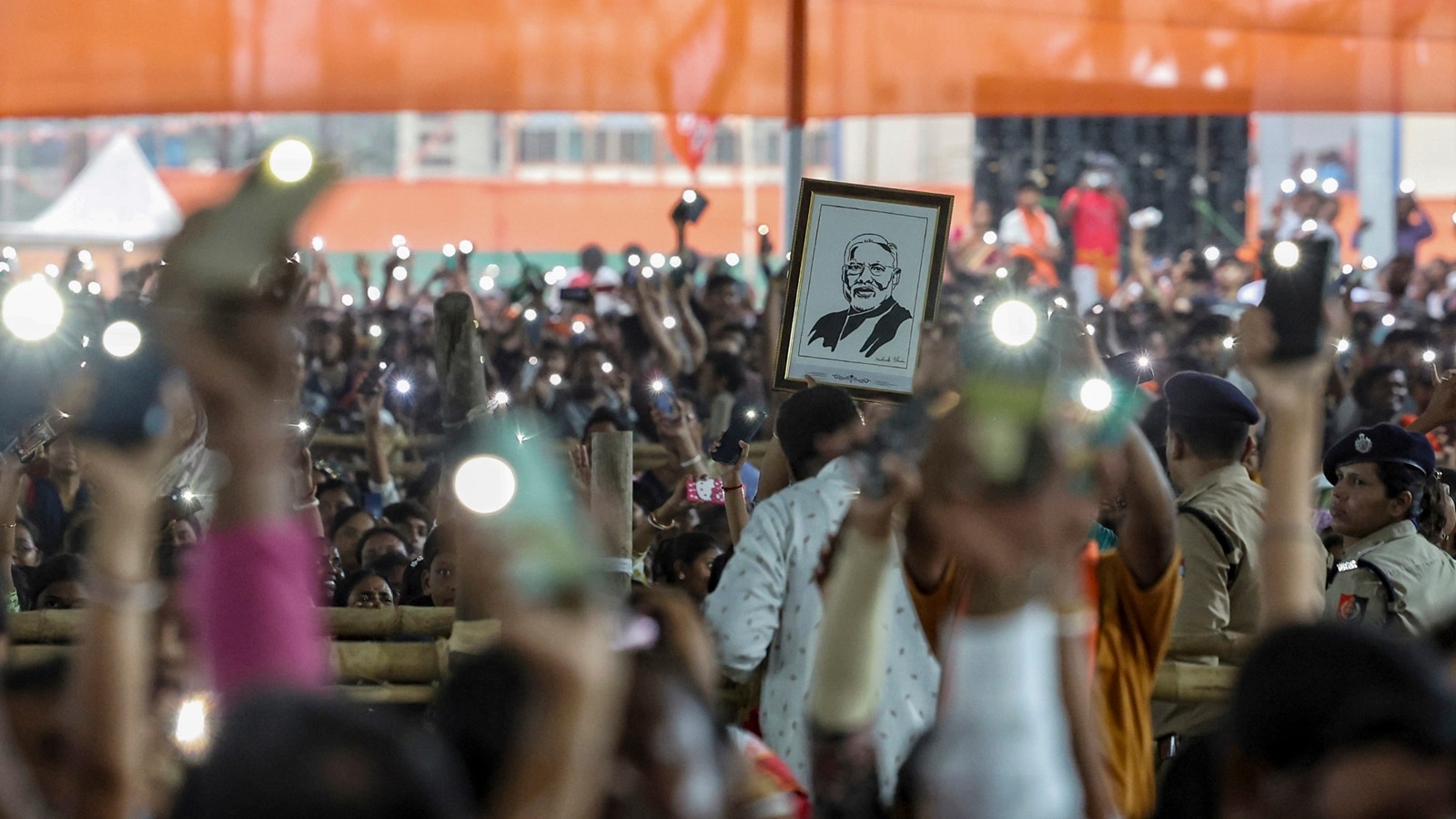
Modi's Women’s Convention in Varanasi
Modi's Varanasi rally frames women's reservation as a national mission, targeting the 2027 Uttar Pradesh elections with a strategic narrative.
India
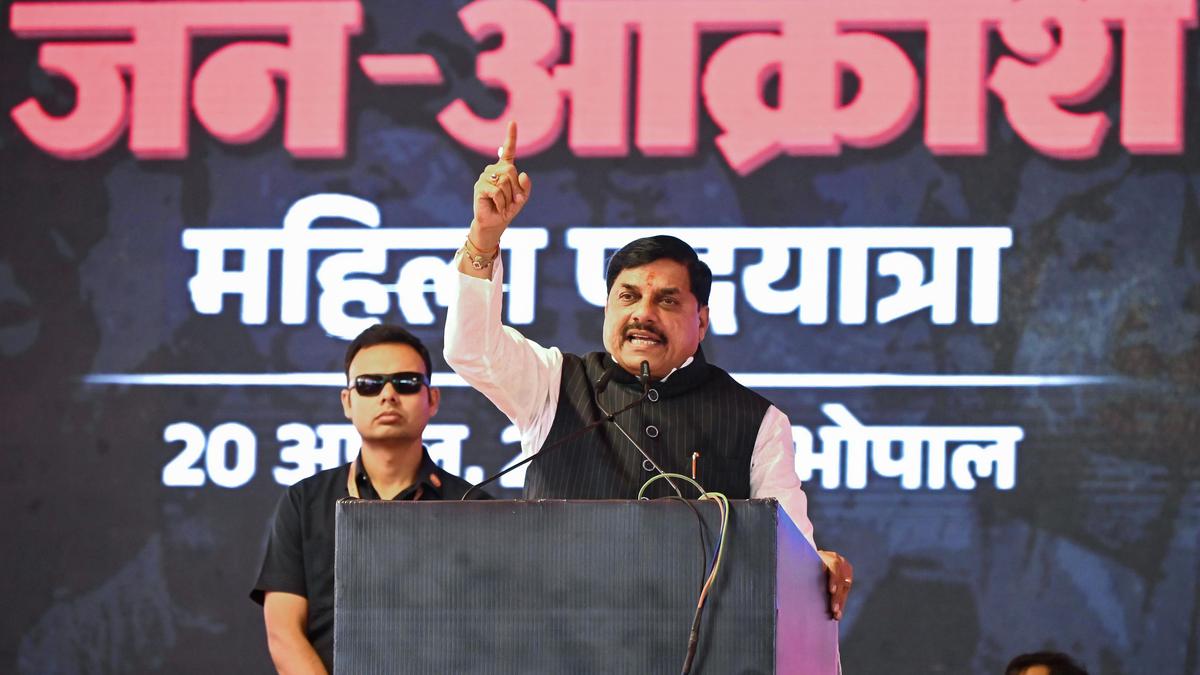
BJP Congress Clash Over MP Bill Defeat
The BJP's defeat of the women's quota amendment sparks a political narrative war with Congress, impacting future elections.

Conflict & Security
Drone Warfare Killing Aid Workers at Unprec
Over 1,000 humanitarian workers killed in three years as cheap armed drones collapse legal protections. Gaza, Sudan, Ukraine, and DRC see deliberate targeting of aid convoys and hospitals with zero prosecutions.

Global
World Normalises Taliban as Afghan Women Eras
UN data shows Afghan women erased from public life as Russia recognises the Taliban, EU hosts officials in Brussels, and ICC warrants for gender persecution go unenforced.