BJP Secures Upper House Majority After AAP Ex
BJP's Rajya Sabha count rises to 113 after AAP's loss in Delhi.
Model Diplomat3 min readIndia

BJP Consolidates Upper House Grip as Seven AAP MPs Switch Sides
BJP's Rajya Sabha tally hits 113 after AAP's Delhi rout triggers a parliamentary merger — narrowing the gap to a working majority at a critical legislative moment.
Rajya Sabha Chairman C.P. Radhakrishnan formally accepted the merger of seven AAP MPs into the BJP on April 27, 2026, lifting BJP's upper house count to 113 and gutting AAP's remaining presence to just three seats. The move is not a surprise defection — it is the downstream political consequence of AAP's catastrophic loss of Delhi in the February 2026 assembly elections, which stripped the party of its organizational base and gave its MPs little incentive to remain in a diminished, rudderless bloc.
The Arithmetic That Matters
The Rajya Sabha has 245 seats; the majority mark sits at 123. BJP alone at 113 is still short, but the NDA combine — which includes TDP, JD(U), and smaller regional partners — comfortably crosses that threshold. What the AAP merger does is reduce BJP's dependence on coalition partners for individual votes, particularly on sensitive legislation where allies have previously abstained or hedged.
The timing is pointed. Parliament is currently mid-way through a politically charged session debating the Women's Reservation (Amendment) Bill and its contentious link to delimitation. Southern parties — DMK chief among them — have threatened open opposition, framing delimitation as an assault on federalism. Every additional BJP seat in the upper house tightens the ruling coalition's buffer against dissent from within and defection from without. India's parliamentary maneuvering is entering a high-stakes phase.
AAP's Collapse, BJP's Windfall
This is the logical end-state of AAP's implosion. After losing Delhi — the party's only remaining state government — AAP's seven Rajya Sabha MPs were politically stranded: no state legislative majority behind them, no path to re-election, and a party leadership under sustained legal and political pressure. The anti-defection law permits a merger if at least two-thirds of a party's legislative group joins another; seven of AAP's ten RS members clears that bar cleanly, giving the move legal cover under the Tenth Schedule.
Arvind Kejriwal is the clear loser here. AAP's parliamentary presence is now vestigial. Amit Shah and BJP's organizational machinery are the beneficiaries — they absorb experienced parliamentarians, pad the numbers, and send a signal to other fragmented opposition blocs that post-election drift has a destination.
The broader Indian political landscape reflects this pattern: the March 2026 Rajya Sabha elections already saw NDA benefit from cross-voting in Bihar, Odisha, and Haryana, per
Frontline's analysis. The AAP merger accelerates a structural consolidation, not an aberration.
What to Watch Next
The pressure point is the Women's Reservation Bill vote, expected before the current Budget Session concludes. With BJP at 113 and NDA allies factored in, the government has margin — but DMK's opposition and Congress's conditional stance mean the final count will be close enough that every absorbed MP counts. Watch whether TDP or JD(U) publicly demand concessions before the vote; their leverage shrinks with each seat BJP independently secures. The next defection risk sits with smaller regional parties whose state-level fortunes are deteriorating.
Discover more
India
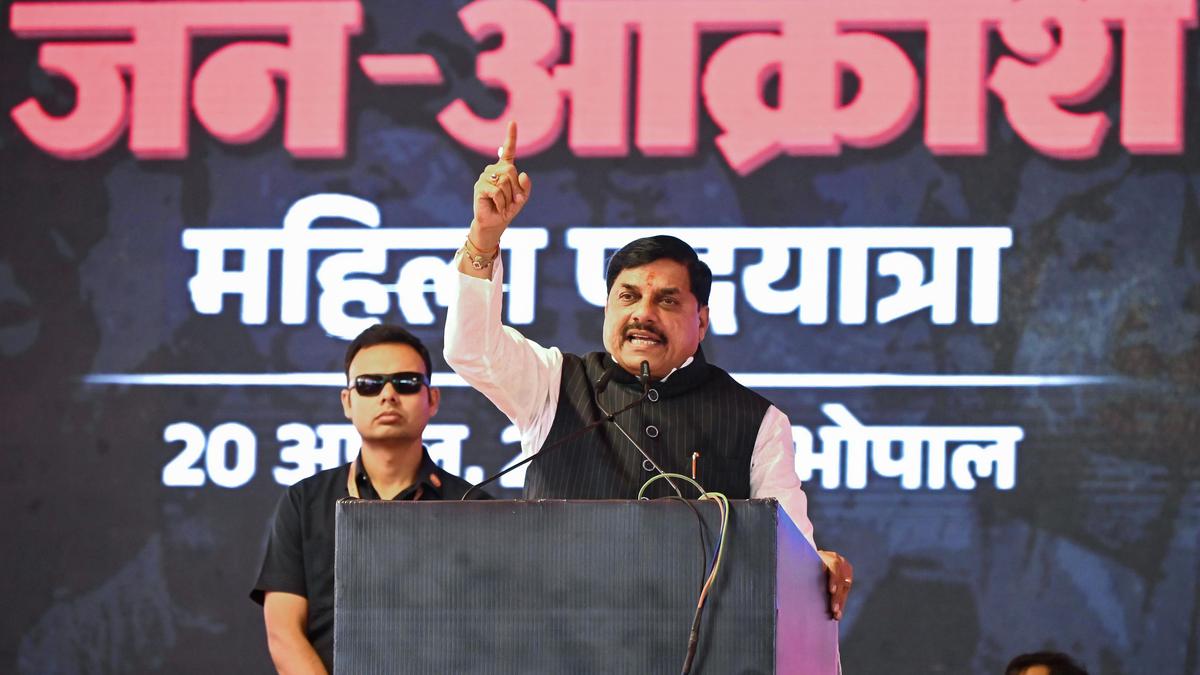
BJP Congress Clash Over MP Bill Defeat
The BJP's defeat of the women's quota amendment sparks a political narrative war with Congress, impacting future elections.

Conflict & Security
Drone Warfare Killing Aid Workers at Unprec
Over 1,000 humanitarian workers killed in three years as cheap armed drones collapse legal protections. Gaza, Sudan, Ukraine, and DRC see deliberate targeting of aid convoys and hospitals with zero prosecutions.

Global
World Normalises Taliban as Afghan Women Eras
UN data shows Afghan women erased from public life as Russia recognises the Taliban, EU hosts officials in Brussels, and ICC warrants for gender persecution go unenforced.
Conflict & Security
West Africa Food Crisis: Three Shocks in 2026
Conflict, climate extremes, and the Strait of Hormuz closure drive a severe food crisis in West and Central Africa, with fertilizer prices surging 80% and millions displaced.

