The Day BJP Govt Suffered Its First Major Legislative Defeat
The BJP-led government faced a historic setback in Parliament over the delimitation and Constitution Amendment bill, exposing vulnerabilities in its legislative grip.
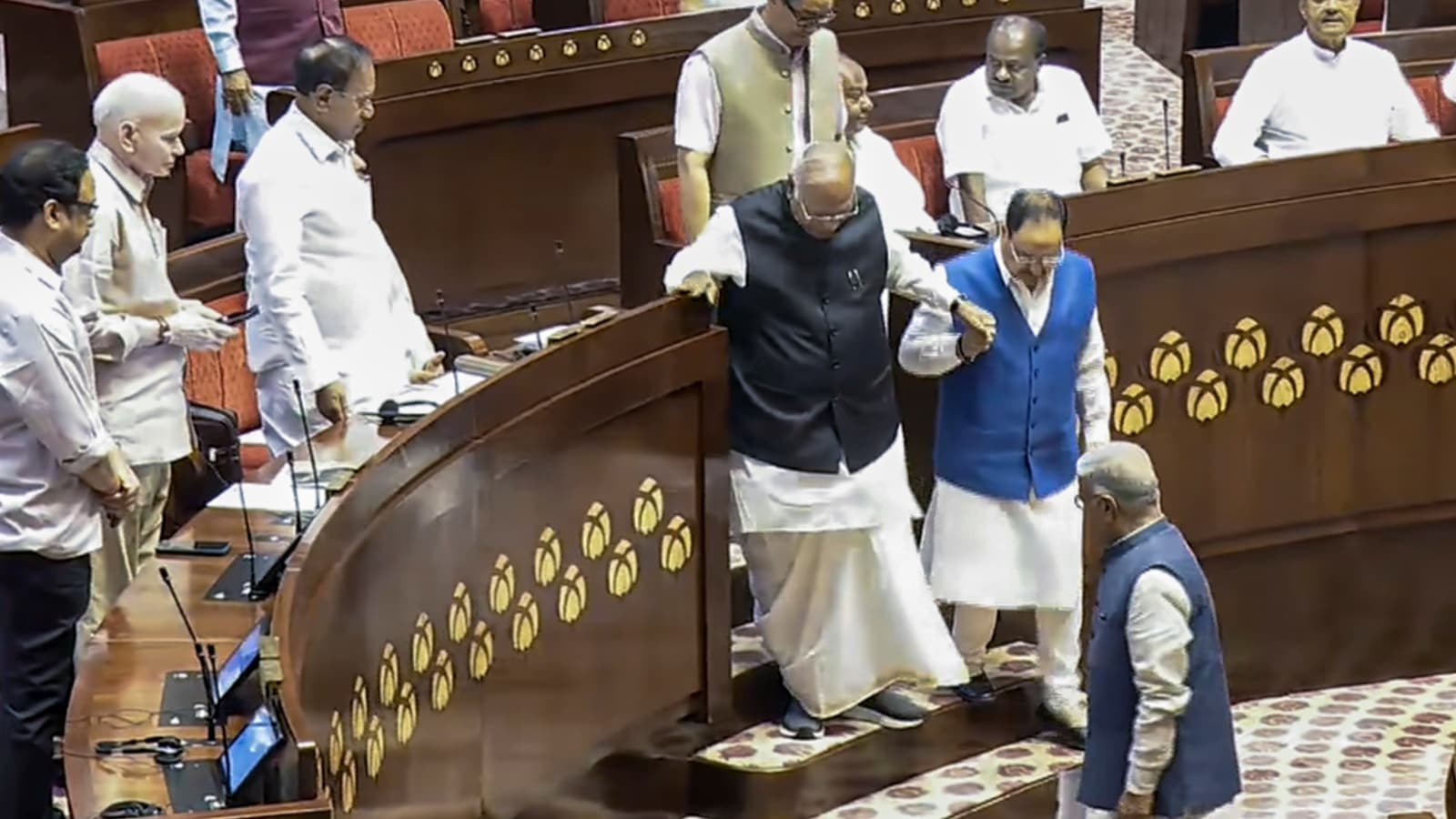
On April 17, 2026, the Bharatiya Janata Party (BJP)-led government in India suffered its first significant legislative defeat in the current Lok Sabha session. The contentious delimitation and Constitution Amendment bill, a key piece of legislation aimed at redrawing parliamentary constituencies and recalibrating political representation, failed to muster the required majority. This marked a stark break from the BJP’s legislative dominance since coming to power in 2014.
Why This Matters: Unpacking the Defeat
The BJP’s loss was not a routine parliamentary setback but a signal of deeper political currents. Delimitation—the process of redrawing constituency boundaries—directly influences electoral outcomes by affecting the balance of political power across regions and communities. This bill was intended to cement the BJP’s electoral prospects in upcoming state and national polls by potentially reshaping constituencies in ways favorable to the party.
The ruling coalition’s failure, despite heavy behind-the-scenes lobbying and last-minute back-channel negotiations, highlights cracks in the BJP’s parliamentary coalition and its growing challenges managing dissent within and beyond its ranks. Opposition parties united in an uncommon show of solidarity, emphasizing concerns over the bill’s implications for minority representation and regional equity.
The tense floor debate revealed how the government underestimated the opposition’s resolve and the complexities of coalition politics in India’s increasingly fractured political landscape. The defeat is a public reminder that legislative dominance can face limits when core issues of representation and federal balance are at stake.
Political and Electoral Implications
This defeat comes amid a politically charged atmosphere in India, with state assembly elections in crucial battlegrounds looming later this year. The BJP’s inability to push a key electoral reform through Parliament risks dampening its momentum and emboldening opposition coalitions, such as the Indian National Congress and emerging regional parties eager to challenge the BJP’s hegemony.
For Prime Minister Narendra Modi and his party, this loss may signal the need for recalibrating legislative strategies and coalition-building efforts. It also raises questions about internal party cohesion, as some BJP allies and backbenchers reportedly expressed unease about the bill’s broader political fallout.
Moreover, the failure to pass this bill could stall attempts at reforming electoral boundaries for years, maintaining the status quo and limiting the BJP’s ability to optimize its electoral map ahead of the 2029 general elections. Opposition gains on this issue could translate into more assertive challenges in state legislatures and the Lok Sabha itself.
What to Watch Next
The immediate aftermath will center on whether the BJP government chooses to reintroduce the bill with modifications or pivot to other legislative priorities. The internal dynamics of the ruling coalition will be closely observed, especially any signs of dissent or negotiation breaks.
Keep an eye on upcoming regional elections in states like Uttar Pradesh and Maharashtra, where the effects of delimitation reforms—or the lack thereof—could tip electoral scales. How opposition parties capitalize on this victory will also shape the national political narrative ahead of 2029.
Finally, this episode underscores the evolving complexity of India’s Parliament, where even dominant parties must navigate intricate federal, regional, and coalition considerations—an essential factor for anyone tracking India’s political trajectory.
For a broader understanding of India’s political scene and its central government’s workings, see our  India profile.
 source: Indian Express