Bihar's First BJP Chief Minister
BJP's historic win reshapes Bihar's political landscape
Model Diplomat2 min readBihar

Samrat Choudhary Becomes Bihar’s First BJP Chief Minister — A New Political Equation
Bihar’s political landscape shifts as BJP installs its first chief minister, a deal with JD(U) reshaping alliances and policy signals in regional India.
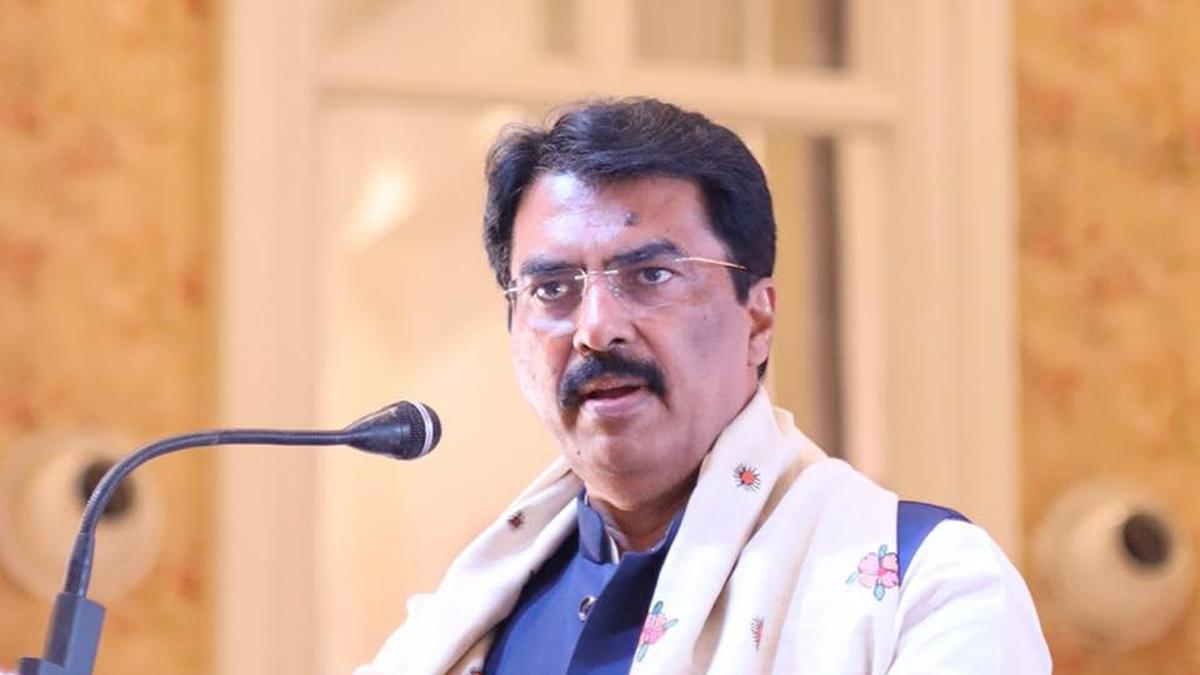
Samrat Choudhary’s swearing-in as Bihar’s first BJP chief minister marks a sharp realignment in the state’s politics, which has long been a testing ground for broader national trends. Alongside him, two leaders from Janata Dal (United) have taken ministerial posts, underscoring a power-sharing arrangement that deepens BJP’s influence while keeping JD(U) at the table.
Why Bihar Matters for India’s Political Future
Bihar, India’s third-largest state by population, has historically been a bellwether in federal politics. Its electoral importance stems from a vast voting bloc, a complex caste matrix, and significant socioeconomic challenges. The BJP taking the chief ministership for the first time in Bihar’s history signals a notable consolidation of power for Prime Minister Narendra Modi’s party, expanding its footprint in a region where it has often played second fiddle.
Choudhary’s rise comes after the BJP’s strategic post-assembly election alliance with JD(U), led by Nitish Kumar, who ceded the chief ministership but manages to keep his party relevant through ministerial roles. This power-sharing speaks to a broader BJP tactic to co-opt local allies while expanding its brand as the dominant center-right force in Indian politics. Bihar also serves as a testing ground for policies around development, caste-based politics, and governance styles that the BJP may want to replicate elsewhere.
Implications for Tamil Nadu and Other Regional Powerhouses
The quick note about Tamil Nadu Chief Minister Stalin in the political roundup hints at the diverse regional dynamics facing Modi’s BJP. While Bihar swings BJP’s way, states like Tamil Nadu remain insulated under robust regional leadership (from Stalin’s DMK). The BJP’s national ambitions rely heavily on managing such regional strongholds through alliances or electoral inroads. Bihar’s political deal thus offers both a blueprint and a contrast for Modi’s strategy in southern India—balancing local elites and party expansionism.
What to Watch Next
- How will Samrat Choudhary navigate Bihar’s entrenched caste and economic divides? Early policy moves will reveal whether the BJP shifts governance priorities.
- Will JD(U) consolidate its role as a junior partner, or push back against BJP’s dominance within Bihar’s government?
- Could this Bihar model of BJP-led alliances inspire similar political arrangements in other key battleground states ahead of the 2029 general elections?
- How will Tamil Nadu’s DMK government respond to BJP’s growing influence in the neighboring states?
Bihar is not just another state change; it’s a political chessboard where Modi’s party is asserting a new order, with important lessons for India’s broader federal balance and political trajectory.
For a deeper dive into Indian politics and regional dynamics, explore India politics and government.
Source: The Hindu
Discover more
India
Bihar’s Cashless Health Plan Buys Peace
Bihar's new cashless health scheme covers treatment for state employees and pensioners, easing financial strain and buying political goodwill ahead of polls.

India
Bihar's ₹350 Crore Industrial Job Initiative
Bihar's new ₹350 crore industrial projects aim to create 2,300 jobs fast, but the BIADA-backed investment push hinges on execution to deliver real employment.
India
Bihar's $500M World Bank Loan and AI Plans
Bihar bets on a $500 million World Bank loan and AI-driven modernization as debt politics heats up and rivals like Tejashwi Yadav sharpen their attacks.
India
Modi and Shah's Bihar Cabinet Expansion
Modi and Shah personally attended Bihar's cabinet expansion, a deliberate display of central BJP control over the state's coalition and ministerial lineup.