Bhagwant Mann Launches Punjab Campaign Summit
AAP showcases achievements ahead of 2027 elections.
Model Diplomat3 min readAsia
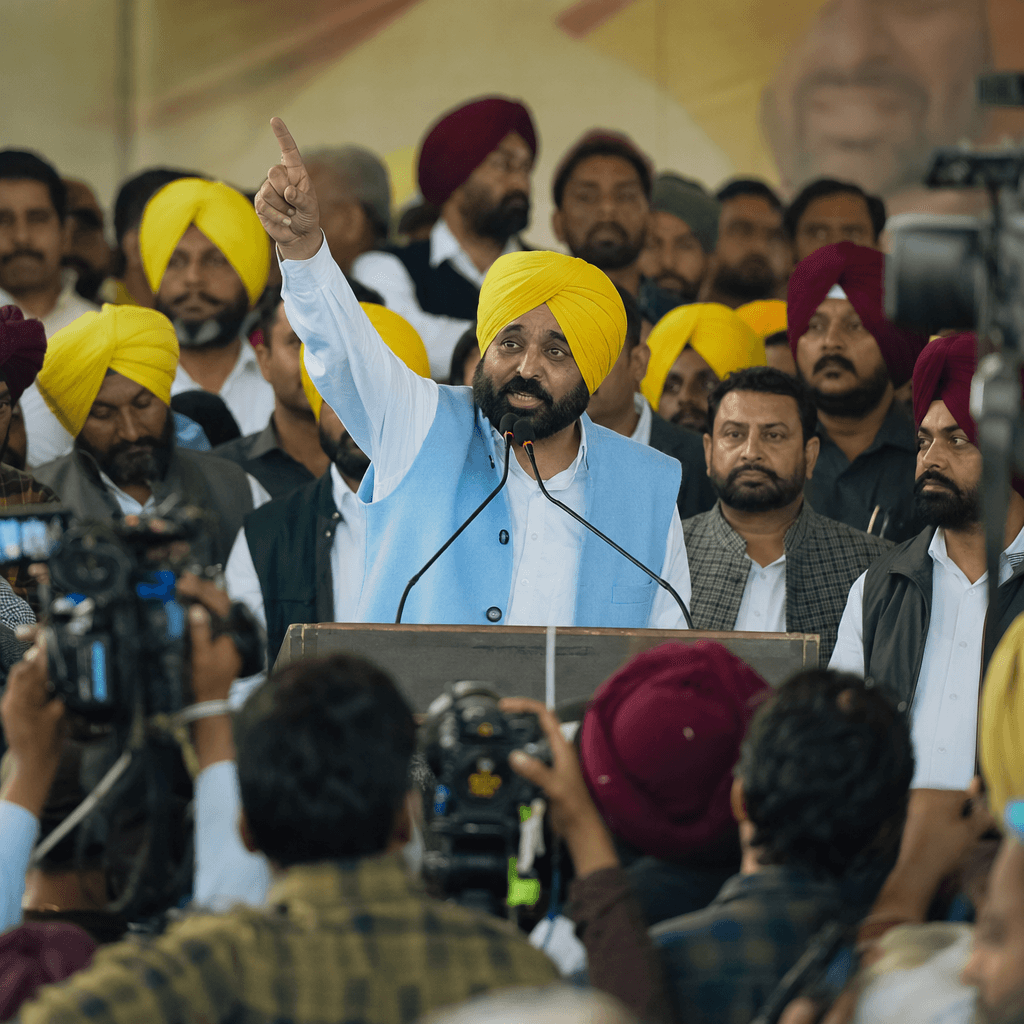
Bhagwant Mann Turns Punjab Summit Into a Campaign Launch
Punjab’s AAP government is using a Chandigarh summit to sell its record, claim momentum, and set the terms of the 2027 election before opponents do.
Bhagwant Mann used NDTV’s Nava Punjab Summit in Chandigarh to put Punjab’s political leadership, senior bureaucracy and police command on one stage and argue that the state is moving toward a new development model, with Chief Secretary KAP Sinha, DGP Gaurav Yadav and cabinet ministers all scheduled to speak on governance, drugs, healthcare, investment and skilling, according to NDTV. That is the point of the event: AAP is not just briefing the press; it is trying to frame Punjab as a governed, investable state while the next election cycle is still ahead.
Why this summit matters
Punjab’s ruling party has two problems to solve at once: defend its record and keep the narrative from slipping to its opponents. NDTV said the summit comes at a politically charged moment, with assembly elections expected in February 2027, making this less a policy conference than an early positioning exercise for Aam Aadmi Party. The message is clear: Mann wants voters, business leaders and the bureaucracy to see competence, not drift.
That is why the agenda is broad but tightly chosen. NDTV reported sessions on the drug menace, healthcare, investor readiness and workforce skilling, with ministers from finance, education, health, labour and social justice expected to present the government’s progress and vision. The political value is obvious. Punjab’s biggest vulnerabilities — drugs, jobs, fiscal pressure and migration — are also the issues that decide whether AAP can keep its only major northern state.
The real audience is not the hall
This looks like a governance summit, but the intended audience is wider than the room. News 24 described a parallel Punjab conclave built around growth, jobs, education, healthcare and industrial investment, with Mann expected to deliver the keynote on the state’s economic and social future. That convergence matters: Punjab’s government is clearly running a coordinated communications strategy around a single message — that the AAP model is about delivery, not slogans.
The same pattern shows up in the party’s recent outreach. Jagrati Lahar reported a statewide campaign marking four years of AAP rule, with ministers fanning out across villages and wards to tout government schools, free power for most households, anti-drug enforcement and merit-based jobs. Whether every claim survives scrutiny is beside the immediate political point: AAP is trying to convert administrative claims into electoral memory before the opposition fixes Punjab’s image for it.
What to watch next
The next test is not the summit stage; it is whether Mann can turn this messaging into hard numbers on jobs, industry and public services before the vote due in February 2027. If the government follows the summit with a concrete investment pipeline, budget commitments or measurable targets on drugs and healthcare, AAP strengthens its hand. If it cannot, the event will read as a polished warning shot rather than a governing breakthrough.
For now, the leverage sits with Mann’s government. It has the state machinery, the platform and the time to define the debate. The opposition’s problem is simpler but sharper: it must either puncture the report-card narrative or let AAP campaign as the only party claiming to have a Punjab plan.
Discover more
India
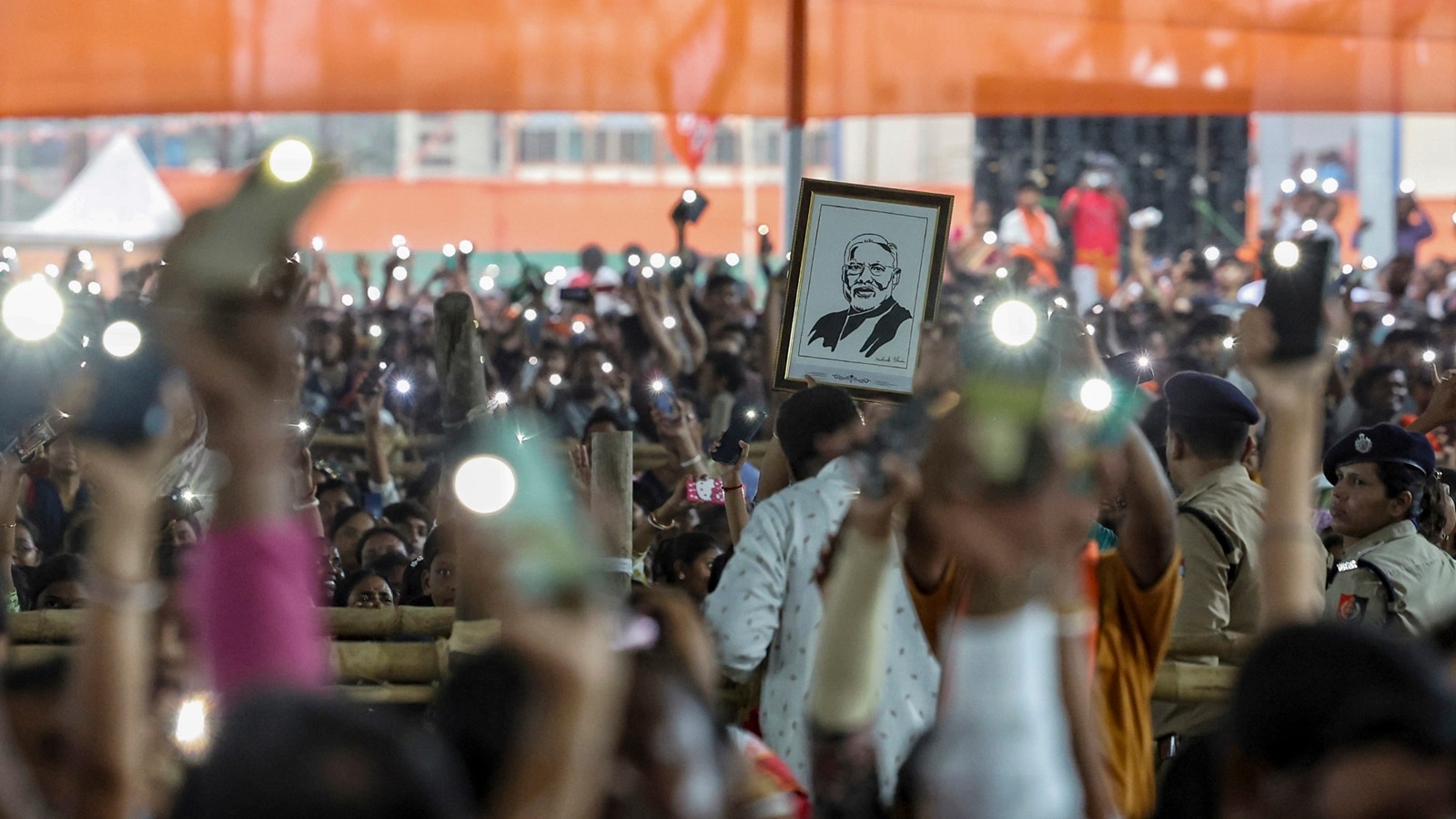
Modi's Women’s Convention in Varanasi
Modi's Varanasi rally frames women's reservation as a national mission, targeting the 2027 Uttar Pradesh elections with a strategic narrative.
India
Rajnath Singh's Durga Squad for 2026 Polls
Rajnath Singh's Durga Squad promised women's safety in Bengal but has since disappeared from the agenda, revealing BJP's true priorities.
India
CPI MP Accuses PM Modi of MCC Violations
CPI MP P Sandosh Kumar alleges PM Modi breached the Model Code of Conduct in Tamil Nadu, raising election integrity concerns before the 2026 Assembly polls.

Conflict & Security
Drone Warfare Killing Aid Workers at Unprec
Over 1,000 humanitarian workers killed in three years as cheap armed drones collapse legal protections. Gaza, Sudan, Ukraine, and DRC see deliberate targeting of aid convoys and hospitals with zero prosecutions.