

Bangkok Verdict: Thailand Sentences Uyghurs
3 min readSoutheast Asia
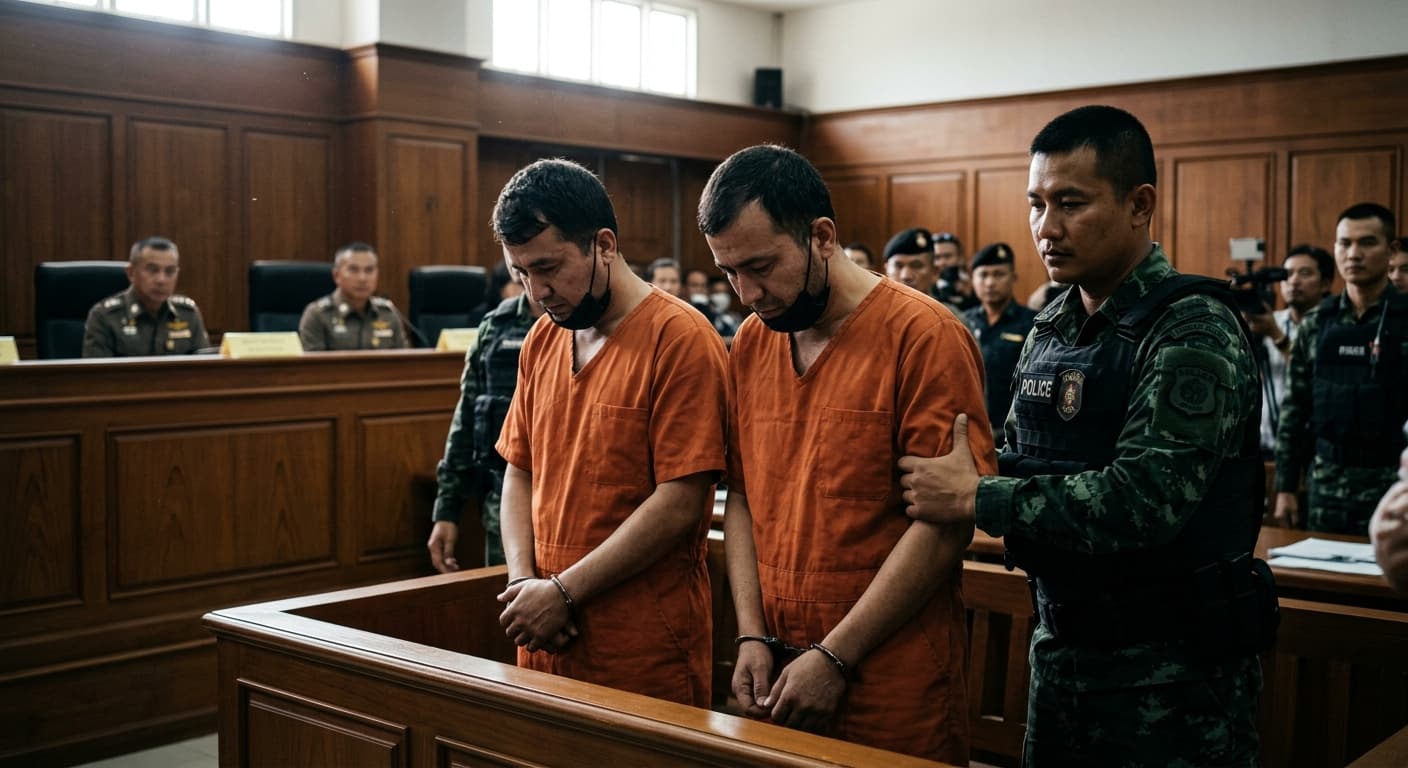
Thailand's court rules on 2015 bombing, raising human rights concerns.
Bangkok Verdict: Why Thailand Condemned Two Uyghurs to Death
Eleven years after the country's deadliest bombing, Bangkok resolves a geopolitical flashpoint with China, but legal and human rights questions linger.
On June 11, 2026, the Bangkok South Criminal Court sentenced two ethnic Uyghur men, Yusufu Mieraili and Bilal Mohammed, to death for their roles in the 2015 Erawan Shrine bombing, concluding the trial for the deadliest terror attack in modern Thai history, a flashpoint that continues to reverberate in regional Global Politics, as reported by
Al Jazeera. The August 17, 2015, attack in the capital's commercial heart killed 20 people—including seven Chinese tourists—and injured over 120. While the verdict brings a formal close to a decade-long judicial process, the ruling underscores a broader geopolitical transaction between Bangkok and Beijing, leaving humanitarian concerns sidelined.
A Geopolitical Balancing Act
For years, the political backdrop of the bombing has overshadowed the legal proceedings. The attack occurred just weeks after Thailand’s then-ruling military junta forcibly repatriated 109 Uyghurs to China, drawing severe international condemnation. Observers widely viewed the bombing of the shrine—a site highly popular with Chinese tourists—as a revenge plot over the forcibly deported Uyghurs, as detailed by The Straits Times.
Beijing is the primary beneficiary of the ruling, which legitimizes its domestic narrative regarding Uyghur militancy and consolidates its security footprint in Southeast Asia. China’s Foreign Ministry quickly welcomed the verdict, with spokesperson Lin Jian affirming that China supports Thailand in "severely punishing the murderers," according to The Hindu. By securing these death sentences, Thailand's judicial and political establishment preserves its critical economic and security alignment with China, prioritizing Chinese security interests over Western pressure concerning human rights and refugee protections.
Institutional Violations and Legal Flaws
The decade-long trial has done little to convince independent observers that justice was served transparently. The proceedings were beset by extraordinary delays, including pandemic disruptions and difficulties securing qualified Uyghur translators. At one point, a translator for the defense was arrested on drug charges, causing further stagnation. Human rights organizations, including the International Commission of Jurists, have heavily criticized the trial, pointing to severe human rights violations and systemic flaws in the investigation, according to BBC News.
Critics argue the immediate cleanup of the blast site within 48 hours compromised physical evidence, and allegations that confessions were extracted under torture have never been fully investigated. The two defendants, who pleaded not guilty, will lose their lives under a judicial process critics describe as deeply compromised. The defense attorneys, Choochat Kanpai and Jamroen Panonpakakorn, have already announced plans to appeal, meaning the legal battle is not entirely over, although the political trajectory is set.
What to Watch Next
The immediate next move lies in the hands of the defendants' legal teams, who have a limited window to lodge their formal appeals. Concurrently, watch for how this verdict impacts the remaining Uyghur detainees currently held in Thai immigration detention centers, many of whom have been detained since 2014. Despite UN warnings, Bangkok repatriated dozens of Uyghurs to China in February 2025, and this verdict may signal an even harsher stance. Finally, analysts should monitor the response of Turkey, which has historically offered safe haven to Uyghurs and remains a focal point for Uyghur diaspora activism, to see if the verdict triggers diplomatic friction or security retaliations against Thai assets abroad.
Keep reading
Global Politics
Court Curbs India's UAPA, But Activist Jailed
Delhi High Court's bail ruling for Khurram Parvez challenges India's UAPA laws.
Global Politics
The Drone War Over Kordofan: Why el-Obeid Is
Drone strikes in el-Obeid signal a dangerous escalation in Sudan's civil war.
Global Politics
Belfast Burning: The Far-Right Spark
Belfast faces a surge in far-right violence fueled by online disinformation.