Australia ISIS Returnees Charged with Atrocit
Two women face serious charges after returning from Syria.
Model Diplomat3 min readOceania
Australia’s ISIS Returnees Face Crimes-Against-Humanity Test
Canberra can’t stop citizens coming home, so its leverage shifts to police, prosecutors and child welfare services — not border control.
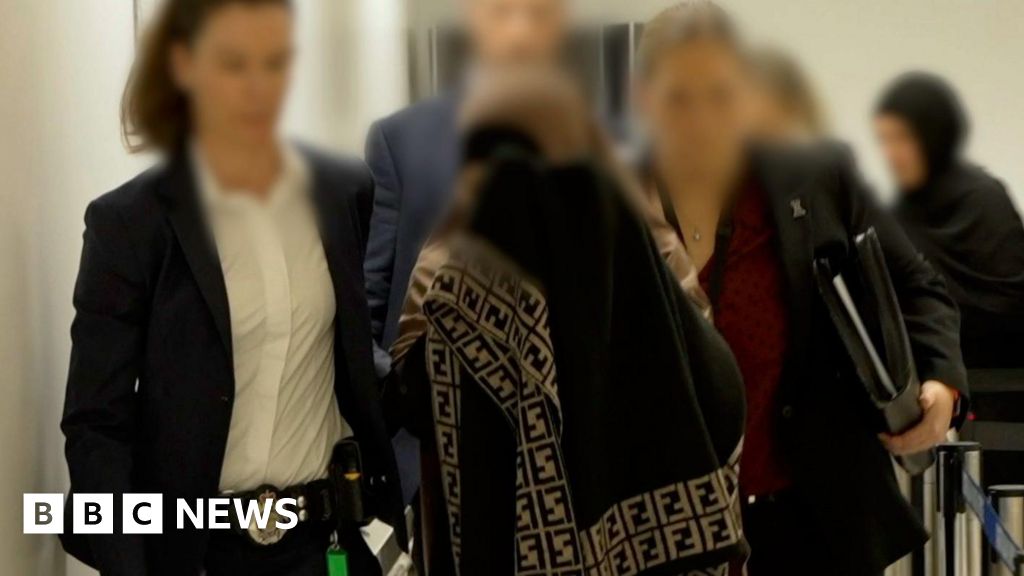
Two Australian women linked to Islamic State have been charged with crimes against humanity after returning from Syria, in a case that exposes the limits of Australia’s containment strategy and the political cost of letting citizens drift back into the system. Kawsar Abbas, 53, and her daughter Zeinab Ahmed, 31, were arrested at Melbourne airport and face allegations tied to keeping a female slave in Syria; a third returnee, Janai Safar, 32, was arrested in Sydney on terrorism-related charges, according to BBC News. The Australian government had already said it would give the group no assistance on return, Reuters reported via
The Hindu.
The state’s leverage is now judicial, not territorial
This is the key power shift: once the women landed, Canberra could no longer manage them at the border; it could only move through police powers, bail conditions and trial. That is why the Australian Federal Police are using the most serious available charges, including crimes against humanity for Abbas and Ahmed, and terrorism offences for Safar. In practice, the government’s hard line — “no assistance,” no repatriation effort, no political cover — only goes so far when the people involved are Australian citizens, and the children with them are Australian too, as Reuters noted in
The Straits Times.
That leaves the Albanese government trying to look strict without pretending it has powers it does not have. The BBC reported that the returning group came from al-Roj camp in northeast Syria and that the cohort includes nine children, who will now be channelled into support and counter-radicalisation programs. That is the real policy burden: not just arresting alleged offenders, but managing children who may have grown up inside an extremist ecosystem and still carry Australian passports.
Why the charges matter beyond one family
The AFP’s allegation that Abbas helped buy a slave for US$10,000 and that Ahmed knowingly kept the woman in the home matters because it pushes the case beyond the familiar terrorism framework. Crimes-against-humanity charges signal that Australia is treating conduct inside the former Islamic State “caliphate” as prosecutable atrocity crime, not just foreign-fighter travel. That raises the evidentiary bar, but it also gives prosecutors a more serious hook than simply alleging travel to a conflict zone.
It also puts pressure on a broader Australian policy that has tried to defer the problem. Reuters reported via The Straits Times that Canberra has maintained contingency plans since 2014, and that it previously repatriated four women and 13 children in 2022. This case shows why: the state cannot rely on indefinite detention in Syria or political distance at home. Eventually, these cases come back through the courts.
What to watch next
The next decision point is the Melbourne Magistrates Court appearance and any bail arguments for Abbas and Ahmed, followed by how the AFP handles the remaining returnees from the al-Roj cohort. Also watch whether Canberra treats this as a one-off criminal case or the start of a wider repatriation and monitoring problem for the roughly two dozen Australians still in Syria, as Reuters noted via The Hindu.
Discover more
India
UN Expert Albanese: India Violates Law
UN Rapporteur Francesca Albanese claims India is breaching international law, raising human rights issues in Kashmir and beyond.
US Politics
Congress Targets AI Chatbot Access for Terror
House Chair Andrew Garbarino proposes government access to AI chatbot queries to combat terrorism, igniting privacy debates.
Global Politics
Iran Releases $12B Frozen Assets Deal
Iran secures $12 billion in frozen assets as US lifts oil sanctions under new deal.
India
India-UK Trade Pact Removes Tariffs on 99%
India's trade pact with the UK eliminates tariffs on 99% of exports, but execution risks loom.