Australia's Political Struggle with ISIS Reun
Thirteen women and children linked to ISIS return from Syria.
Model Diplomat2 min readOceania
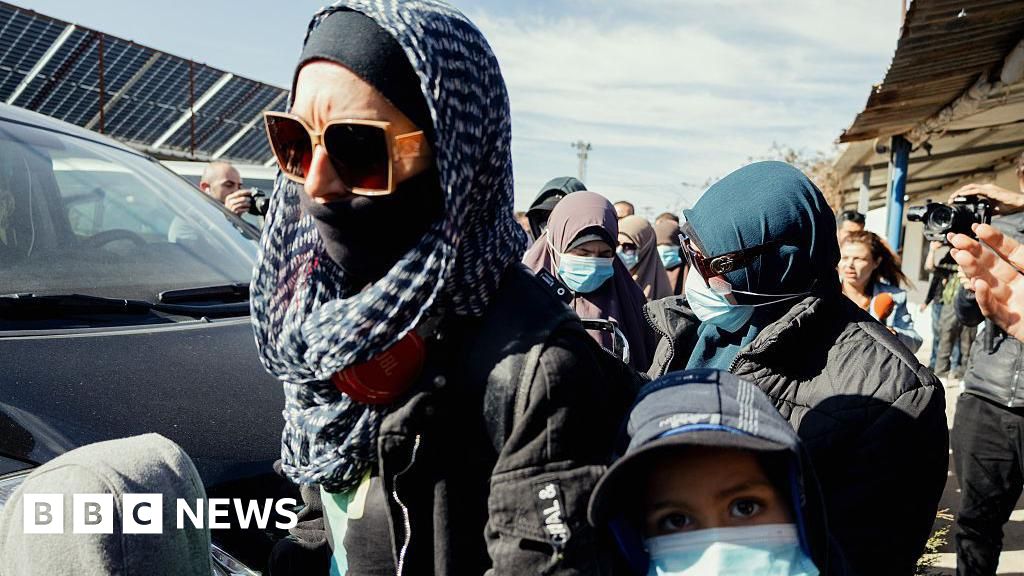
Australia Braces for ISIS Families — and the Politics
Thirteen women and children linked to Islamic State have returned from Syria, forcing Canberra to balance prosecutions, monitoring and a public backlash.
Thirteen Australian women and children with links to Islamic State have begun arriving home from Syria, with police expecting arrests and further investigations as soon as they land, the BBC and
ABC News reported. Home Affairs Minister Tony Burke said the government was alerted only when tickets were booked and insisted Canberra did not assist the trip, while AFP Commissioner Krissy Barrett said some returnees will face charges, including terrorism offences and crimes against humanity such as slave trading (
BBC,
ABC News).
The power dynamic is straightforward: the state can investigate and detain, but it cannot easily stop citizens coming home. Burke said there are “very serious limits” on preventing a citizen’s return, and ASIO chief Mike Burgess said the group is not an immediate concern but will “get our attention” (BBC,
NPR/AP). That matters because Canberra is trying to shift this from a repatriation debate into a law-enforcement and monitoring problem, where the government has the procedural high ground.
Why this is politically sensitive
The group is part of a larger cohort of 34 Australians — including 23 children, according to the BBC and BBC-linked reporting — who had been living in Syria’s al-Roj camp since 2019 after Islamic State lost its last territory there (BBC,
BBC). Burke says the government has had “long-standing plans” to manage them since 2014, but the politics are still explosive because the adults are tied to a terrorist organization and the children are tied to them (
BBC,
ABC News).
That leaves Labor in a narrow lane: it benefits if police can show control, evidence, and selective prosecutions; it loses if the story becomes one of secretive repatriation or security failure. The opposition is already using the issue to argue the government should have blocked the return, while community voices are split between rule-of-law arguments and fears about reintegration (ABC News). For more on how governments manage this kind of security politics, see
Global Politics and
Conflict.
What happens next
Watch for three decision points: how many are arrested on arrival, what charges AFP actually lays, and whether the children are put into countering violent extremism and community integration programs, as Victorian officials have signaled (BBC,
ABC News). The next test is not the flight home; it is whether Australia can hold the adults accountable without turning the children into a second security problem.
Discover more

International Relations
Pakistan's Key Role in US-Israel-Iran Meddle
Pakistan seeks to mediate in the US-Israel-Iran conflict, balancing diplomacy and economic pressures while facing significant challenges.
India
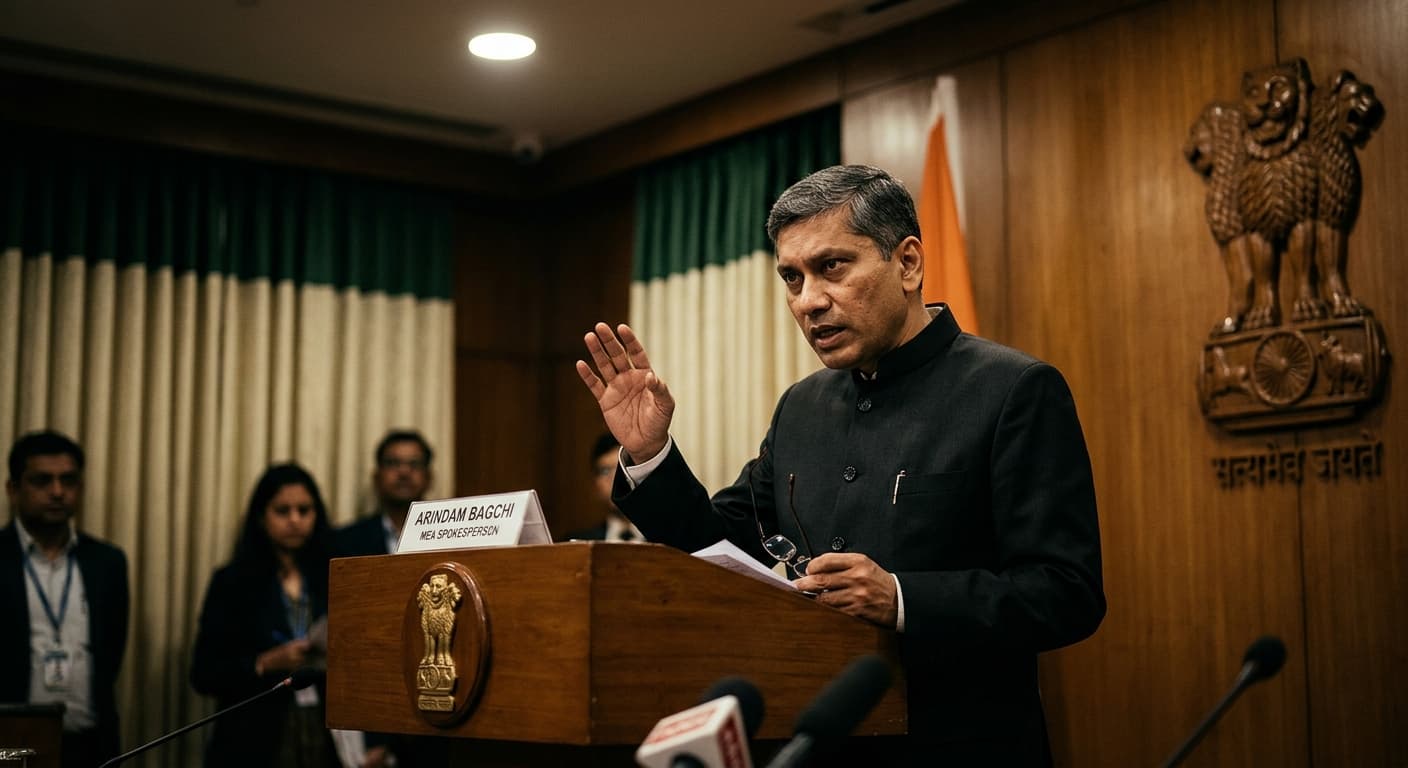
India Rejects Zardari's Mosque Comments
India's MEA rebukes Zardari's mosque comments, citing Pakistan's human rights record.
India
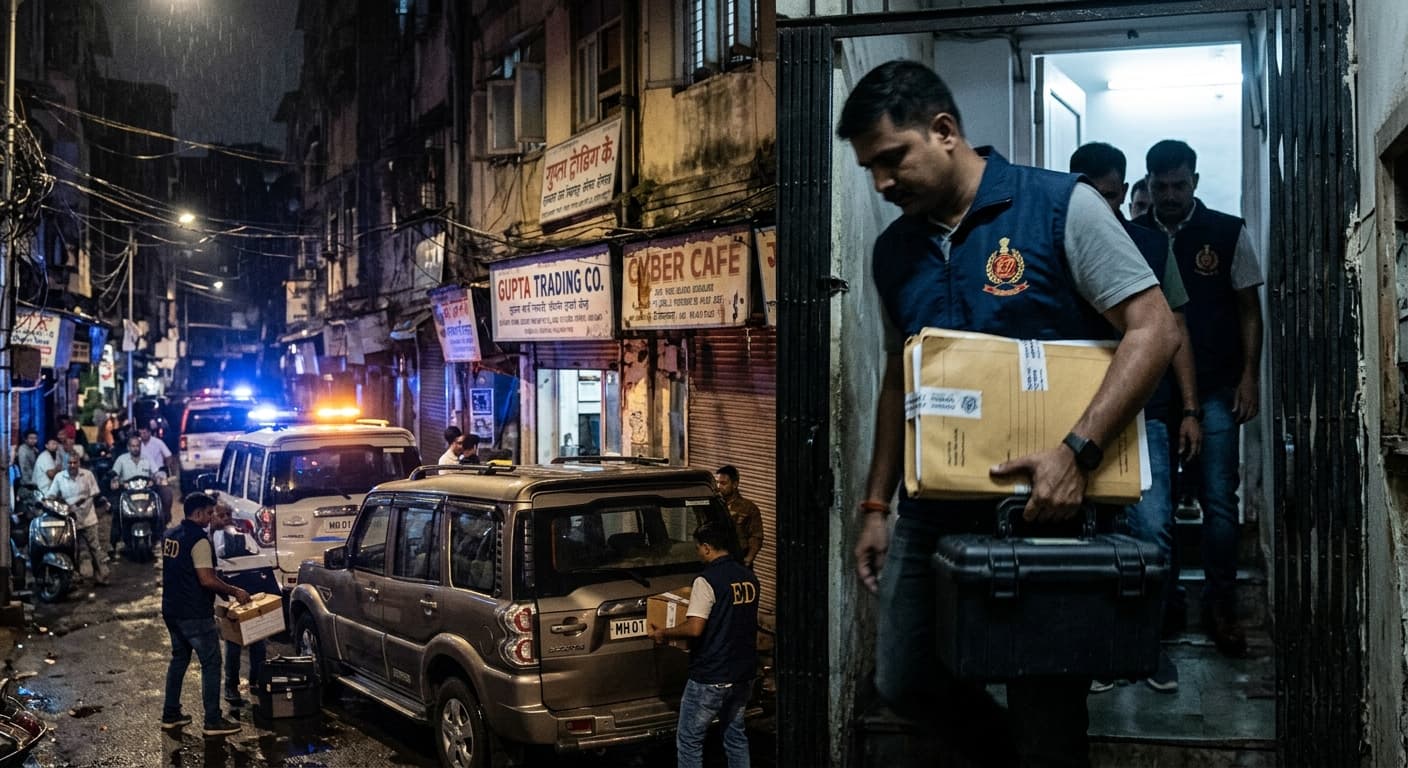
ED's Rs 2,500-Crore Crypto Raid Signals Hard
India's ED raids expose a major crypto-remittance regulatory bypass.
International Relations
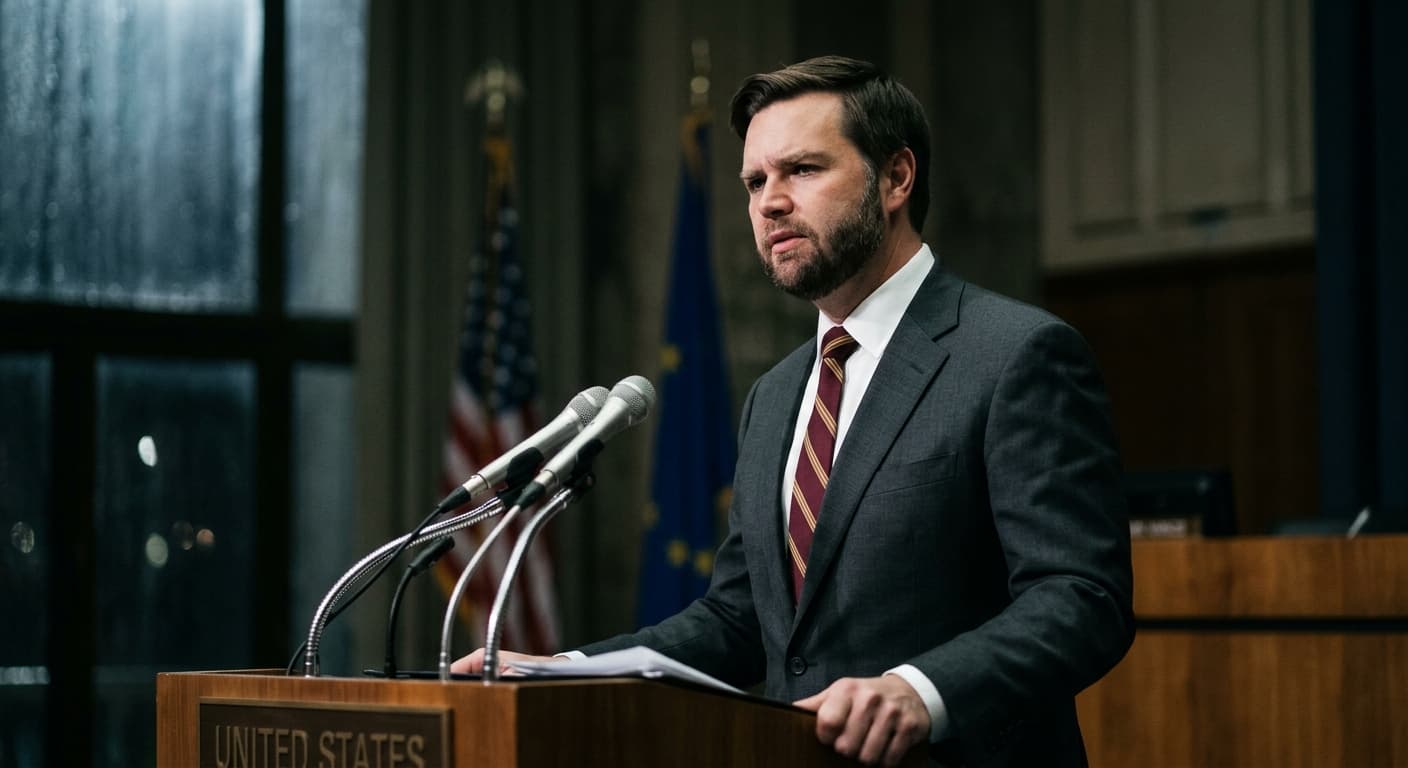
Vance's Gambit: Iran Deal Amidst Chaos
Can VP Vance secure an Iran deal amid escalating tensions in the region?