Assam BJP's Solo Majority: Polarisation Unvei
BJP's majority reflects a shift in Assam's political landscape.
Model Diplomat3 min readAsia
Assam’s BJP Solo Majority Shows Polarisation’s Reach
Himanta Biswa Sarma turned welfare delivery and identity politics into an outright majority, leaving the Congress and regional parties squeezed out.
The BJP has crossed the line in Assam from coalition manager to dominant party. In the 2026 Assembly election, the NDA won 102 of 126 seats, and the BJP alone took 82 of the 90 seats it contested, giving it a majority without relying on allies for the first time, according to Frontline. That is the core power shift: Himanta Biswa Sarma now governs with far less dependence on partners and far more room to harden the BJP’s agenda.
How the BJP built the margin
The winning formula was not just communal mobilisation; it was communal mobilisation backed by cash and organisation. Frontline reports that political scientists saw the verdict as shaped by sharp religious polarisation and by direct welfare transfers, especially the Orunudoi scheme’s Rs. 9,000 payout to 40 lakh women beneficiaries, worth Rs. 3,600 crore and credited barely a month before polling (Frontline). That money mattered because it turned women voters into a durable constituency for the ruling party rather than a swing group.
The timing was deliberate. The BJP had already framed the contest around infiltration, eviction, and “indigenous” rights in the campaign run-up, while promising land protection, UCC work, and deeper welfare delivery in its manifesto (The Hindu). The party did not need to win over minorities. It needed to consolidate Hindu and beneficiary blocs, and it did.
Delimitation and social engineering did part of the work
The other structural advantage was delimitation. Frontline says the 2023 redrawing produced 104 Hindu-majority seats and 22 Muslim-majority ones, reducing the number of seats where Muslim voters could be decisive from 29 to 22 (Frontline). The Hindu’s earlier coverage makes the same point more bluntly: delimitation “pushed” Muslim voters to the margins in a state where boundary changes altered the arithmetic of marginal seats (
The Hindu).
That structural shift helped the BJP convert a politics of identity into seat efficiency. It also exposed the opposition’s weakness. Frontline notes that Congress lacked a cohesive counter-narrative and credible young leaders across Bodo, Karbi, Mising, Bengali Hindu, and tea-tribe communities, while the BJP steadily cultivated those blocs (Frontline). The result is a narrower, more polarised opposition space and a stronger ruling party machine.
What to watch next
The next test is not the verdict; it is how Sarma spends it. With a solo majority, he can intensify the two tools that delivered it: eviction politics and targeted welfare. The Hindu’s editorial on the result argues that Assam’s victory came with a sharper Hindu-Muslim binary and that eviction drives have already disproportionately hit Bengali-speaking Muslim communities (The Hindu). If that pattern continues, the BJP will keep its advantage in
India, but the long-term cost will be a more brittle polity and a more permanent opposition to govern against, not through, the state.
The immediate watchpoint is simple: whether Sarma uses the first months of this term to deepen polarisation through land and citizenship politics, or whether he pivots to inflation, jobs, and floods before the next electoral cycle begins.
Discover more
India
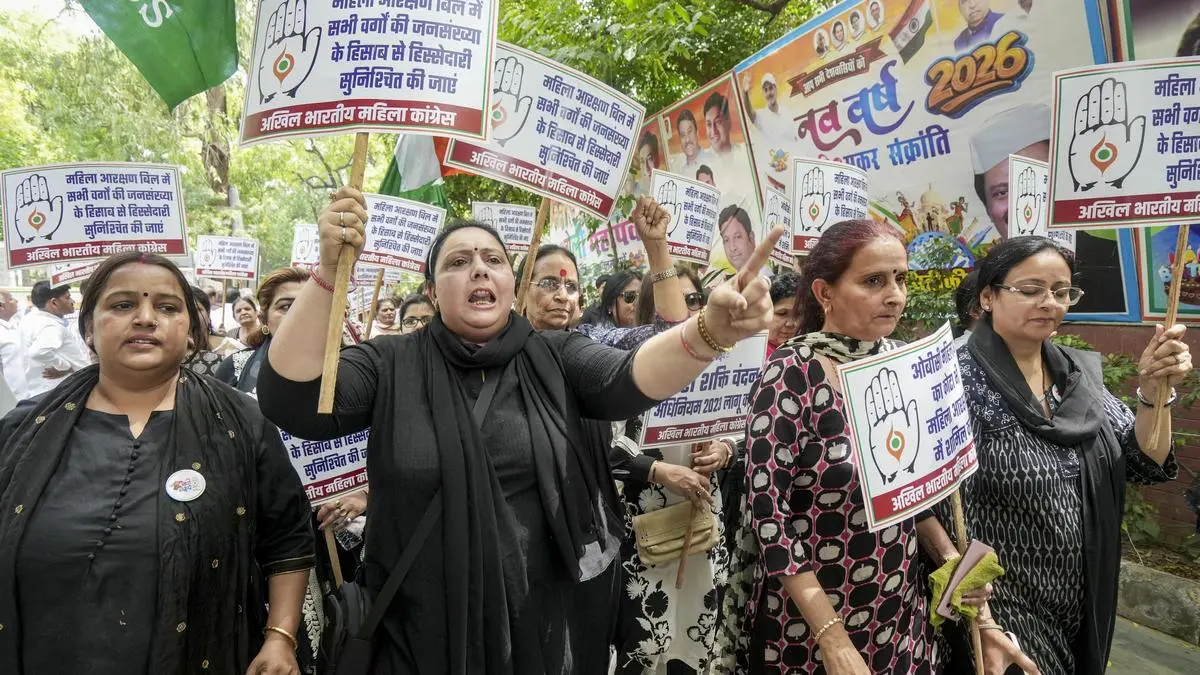
BJP's Misunderstanding of Women's Quota Needs
The BJP's linking of the Women Reservation Bill to delimitation risks delaying women's empowerment in India, misreading the aspirations of female voters.
India
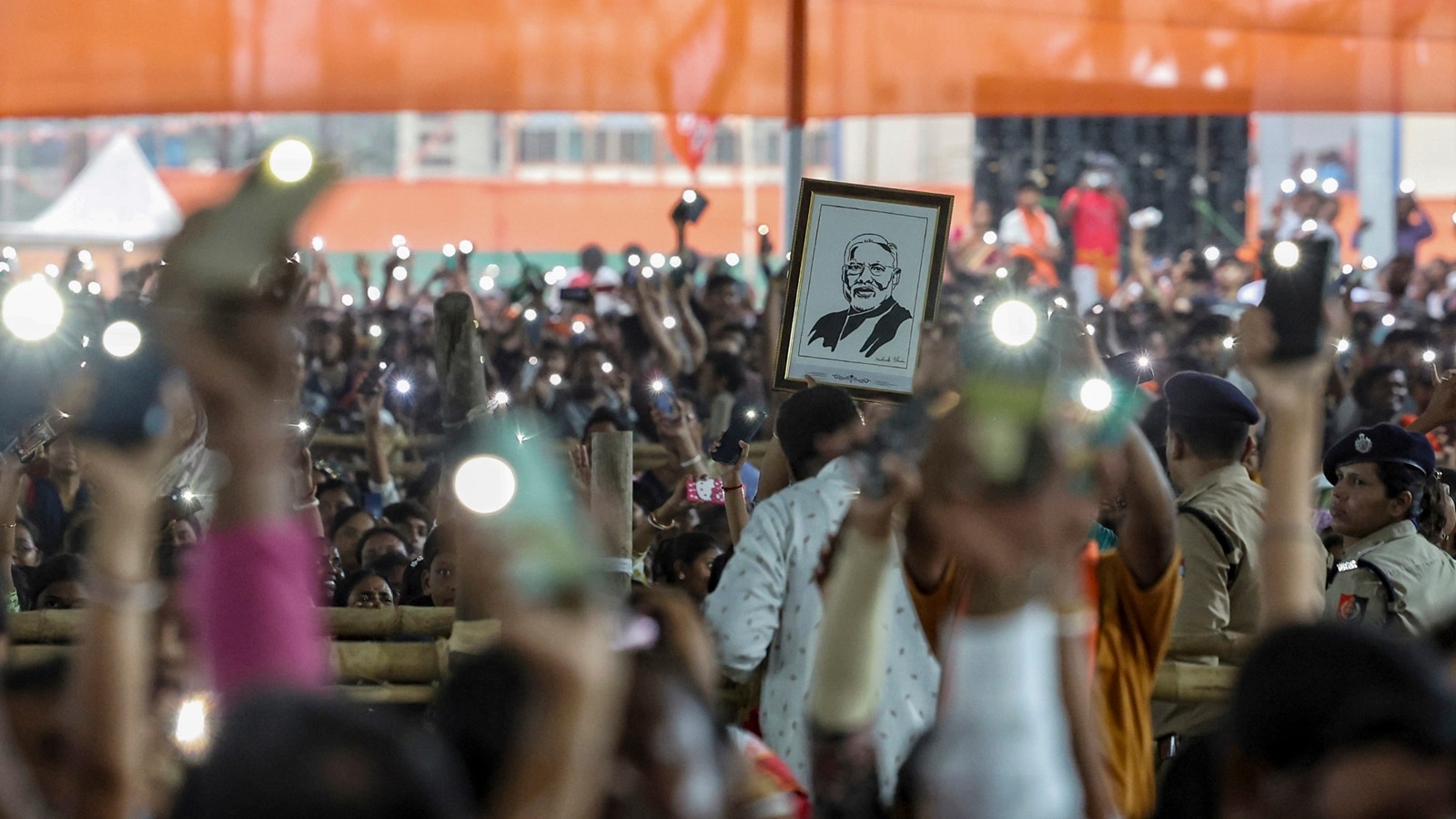
Modi's Women’s Convention in Varanasi
Modi's Varanasi rally frames women's reservation as a national mission, targeting the 2027 Uttar Pradesh elections with a strategic narrative.

Conflict & Security
Drone Warfare Killing Aid Workers at Unprec
Over 1,000 humanitarian workers killed in three years as cheap armed drones collapse legal protections. Gaza, Sudan, Ukraine, and DRC see deliberate targeting of aid convoys and hospitals with zero prosecutions.

Global
World Normalises Taliban as Afghan Women Eras
UN data shows Afghan women erased from public life as Russia recognises the Taliban, EU hosts officials in Brussels, and ICC warrants for gender persecution go unenforced.