Armenia EU Summit: Power Dynamics Revealed
Political signals from Yerevan amid EU and Russian dynamics
Model Diplomat2 min readEurasia
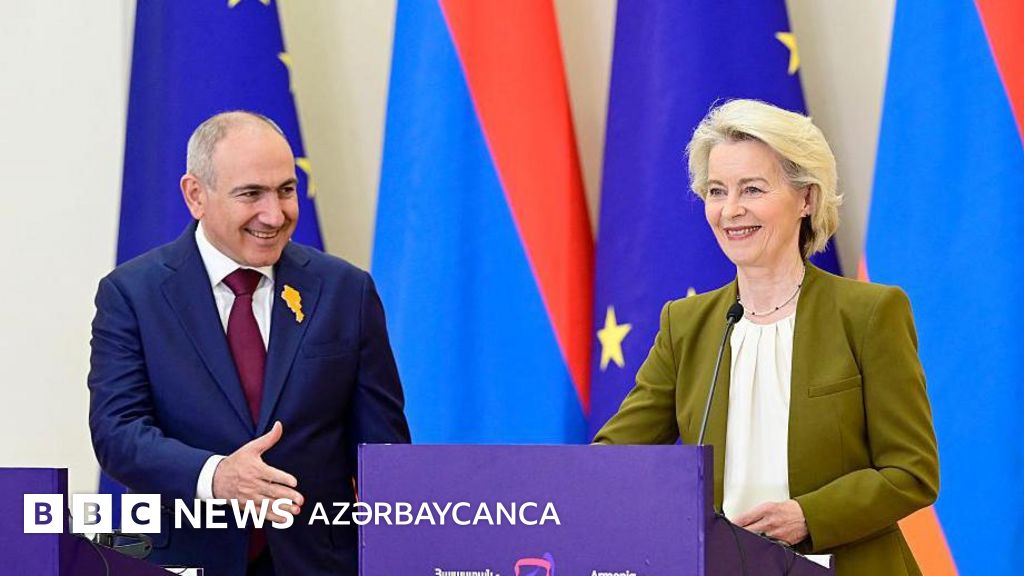
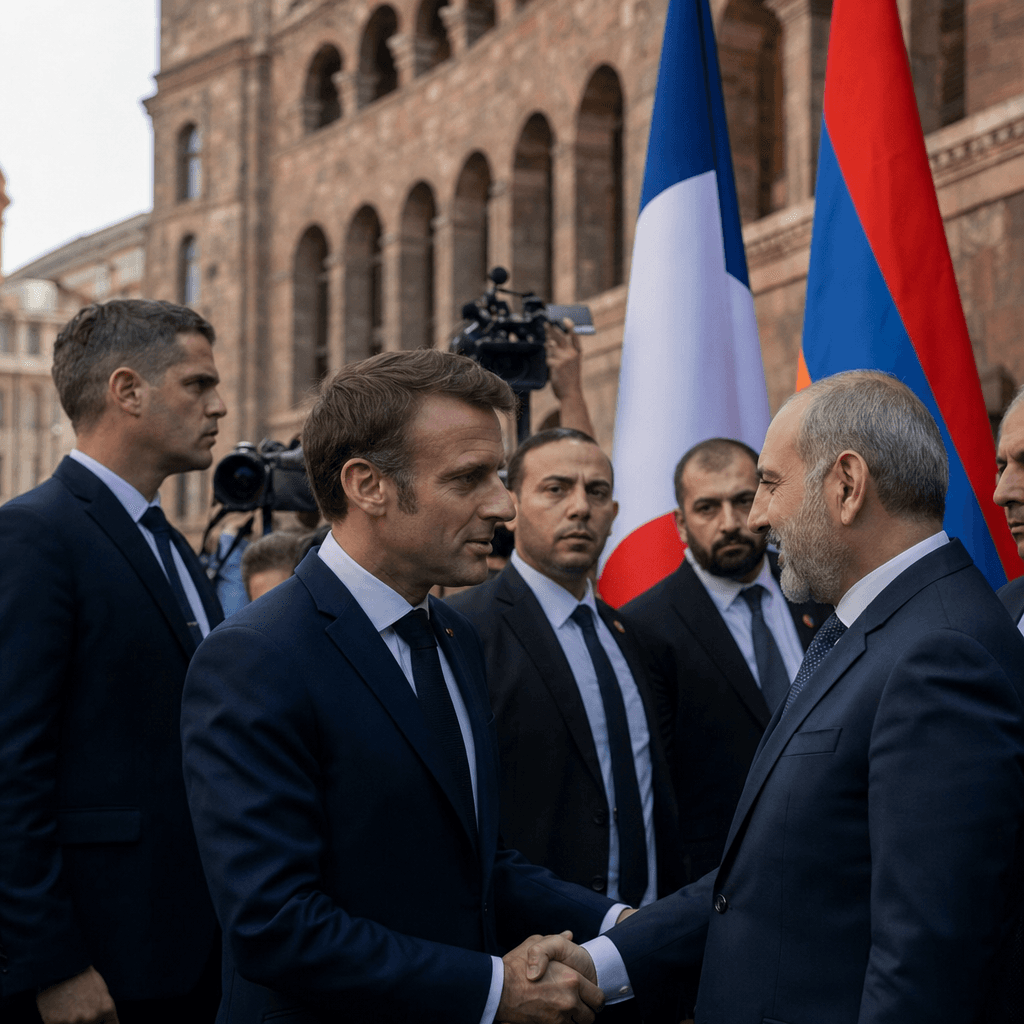
Armenia’s EU Summit Shows Who Still Has the Leverage
EU praise, Russian warnings, and no membership promise make Yerevan’s summit a political signal — not a decisive break from Moscow.
Yerevan’s first bilateral EU summit was sold as a landmark in BBC News Azərbaycanca and
The Washington Post because it gave Nikol Pashinyan visible Western backing ahead of a politically sensitive summer. But the balance of power did not move. Brussels offered symbolism and process; Moscow still holds the hard levers through trade, energy and Armenia’s place in the Eurasian Economic Union, which Vladimir Putin said cannot coexist with EU membership ambitions in
BBC. BBC News Azərbaycanca also noted that more than 40 European leaders were in Yerevan, with President Ilham Aliyev joining by video and Turkey sending Vice President Cevdet Yılmaz — a reminder that neighbors are reading this as a South Caucasus power shift, not just an Armenia-EU photo opportunity.
Brussels is buying time, not membership
That is the useful read on the European side. António Costa and Ursula von der Leyen framed the summit as a deepening of ties, while the package discussed in Yerevan included visa-liberalization work, a civilian mission and support for resilience and connectivity in Teleqraf and
BBC. But the limits were just as clear: no accession timetable, no defense guarantee, and no plan to replace Russian gas.
Pressklub.az reported the same message in sharper form: warm language, no membership promise. For Pashinyan, that still matters. It lets him argue that Armenia is now in a European queue, even if the queue has no visible end.
Moscow still has the structural advantage
Russia’s reaction shows where the real pressure points remain. In the BBC’s Azerbaijani coverage, Russian officials and commentators treated the summit as a geopolitical tilt they want to punish, not a harmless ceremony. Putin reminded Pashinyan in April that Armenia cannot belong to both blocs; Moscow also tightened the screws economically by restricting Armenian mineral water imports ahead of the Yerevan meetings in BBC. That is the Kremlin’s playbook: not necessarily to reverse Armenia’s westward drift, but to make it costlier, slower and politically noisier. Armenia’s dependence on Russian trade and discounted gas means the EU can offer diversification only in part, not substitution. For readers of
Global Politics, the key point is simple: Russia still owns the pain threshold.
What to watch next
The next decision point is Armenia’s June parliamentary election, and whether Pashinyan can convert summit optics into votes without provoking a sharper Russian response. Watch three things: whether Brussels actually moves on visa talks; whether the EU deepens its civilian mission beyond monitoring and advice; and whether Moscow escalates economic or information pressure again, as it already has around the summit in BBC News Azərbaycanca and
BBC. The summit was the signal. The follow-through will show whether Armenia is edging toward a real Western anchor or just getting better at balancing on both sides.
Discover more
Global Politics
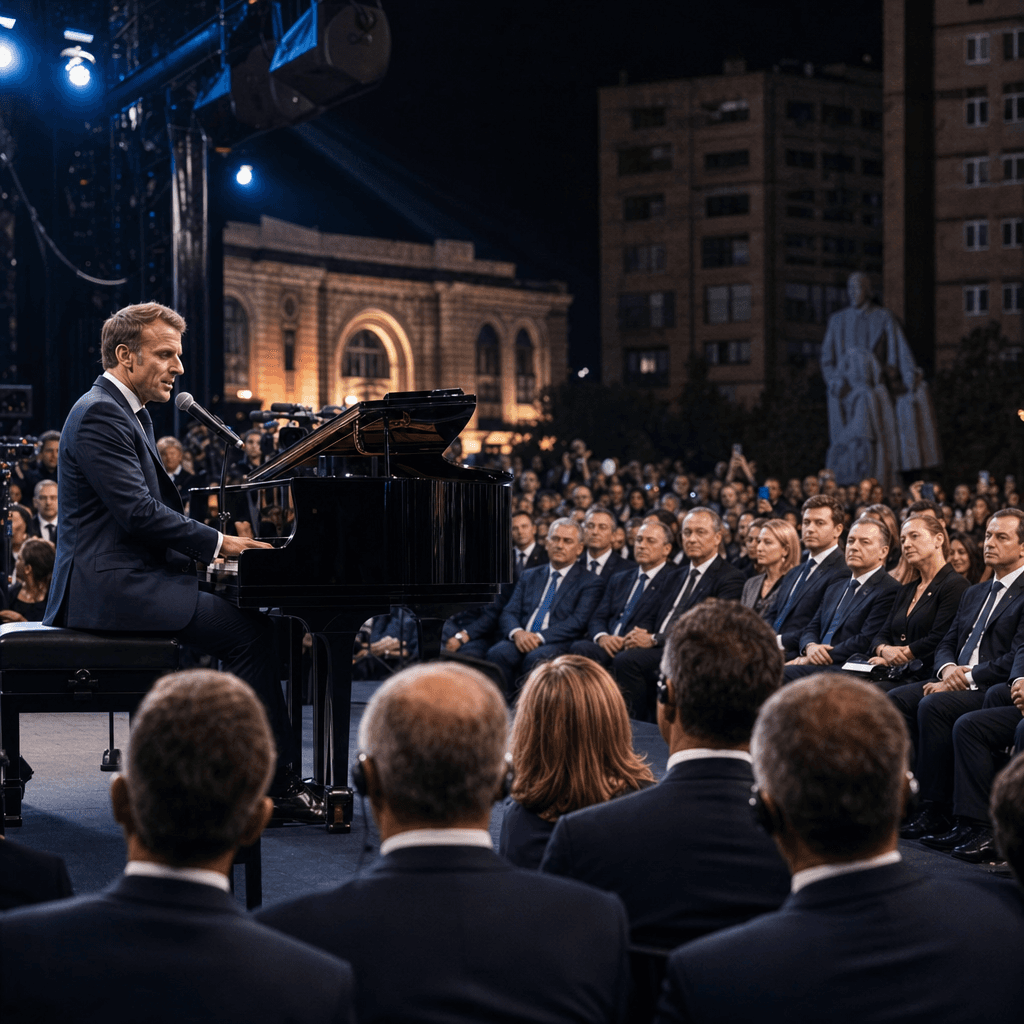
Macron's Serenade: Armenia's Westward Shift
Macron's serenade in Yerevan has come to symbolize Armenia's strategic shift away from Russia and toward France, the European Union, and the wider West.
Conflict & Security
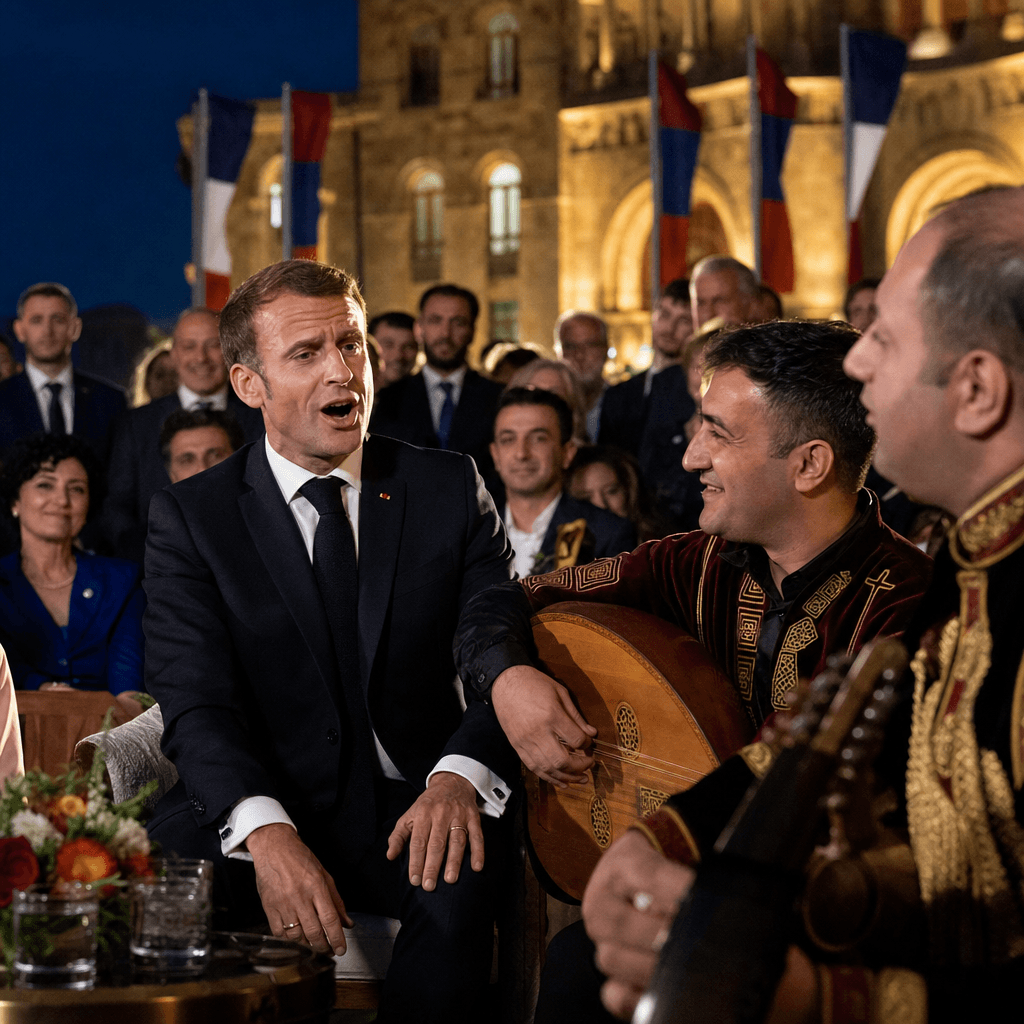
Macron's Musical Diplomacy
Emmanuel Macron's musical diplomacy in Armenia and G7 showcases soft power as a substitute for hard commitments.
Global Politics
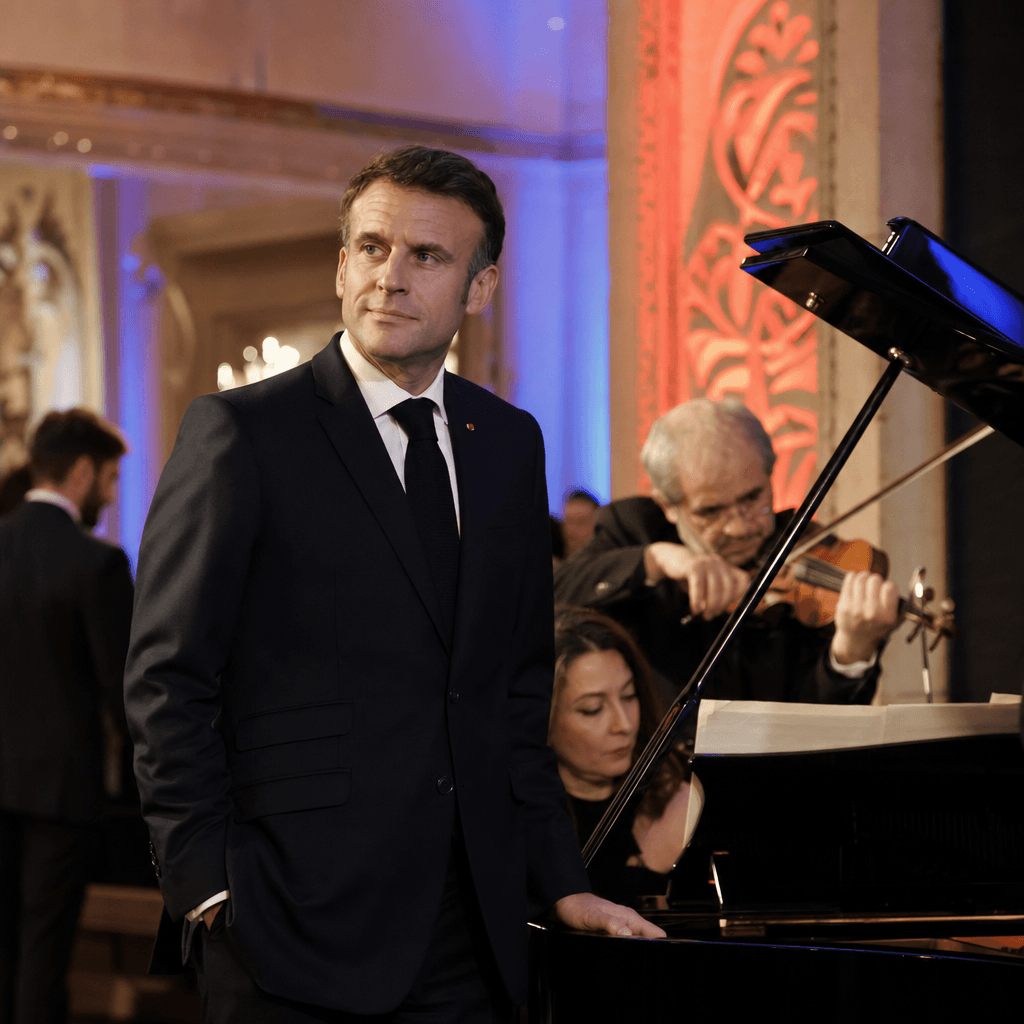
Macron's Aznavour Serenade
Emmanuel Macron's performance in Armenia signals France's intent to replace Russia as Yerevan's key security partner, backed by significant EU support.
Global Politics
Macron's Armenia Visit: A Shift from Russia
Macron's high-profile embrace of Armenia signals France stepping in as Yerevan's key ally, marking a broader power shift away from Russia in the South Caucasus.