Andhra Pradesh’s TDP Bets on Development Over Jagan
Palla Srinivasa Rao says Jagan is trying to blunt the NDA’s investment push; the fight is now over who owns Andhra Pradesh’s political narrative.
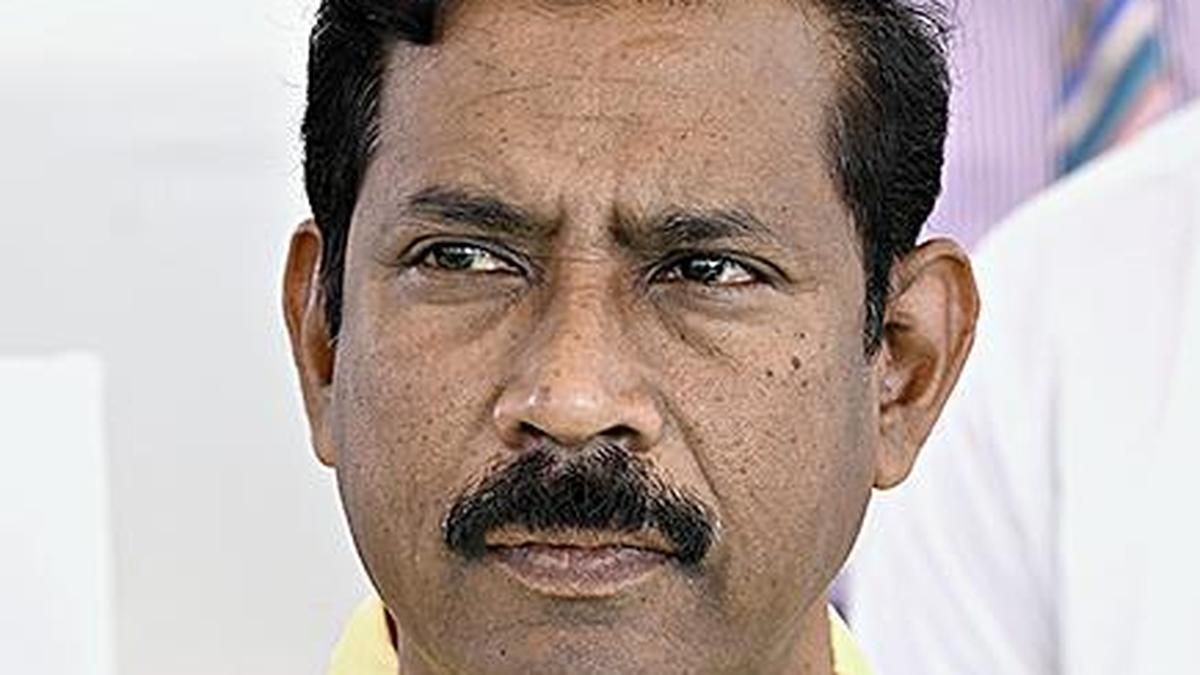
Palla Srinivasa Rao’s attack on Y.S. Jagan Mohan Reddy is not just a counterpunch; it is the ruling coalition’s attempt to lock in a new frame for Andhra Pradesh politics. The TDP state president said Jagan’s periodic press conferences are meant to divert attention from the NDA government’s development and welfare agenda, and he accused the YSRCP chief of sustaining “political noise” detached from ground reality ( The Hindu). He also used the Vivekananda Reddy murder case to keep Jagan on the defensive, arguing that the YSRCP had once called the death a cardiac arrest before later demanding a CBI probe (The Hindu).
Development is now the government’s shield
The timing is deliberate. Chief Minister N. Chandrababu Naidu said this week that Andhra Pradesh has attracted ₹23 lakh crore in investments under the NDA, with projects spanning Visakhapatnam, Amaravati, Tirupati and Rayalaseema, including defence, drone, space and electronics manufacturing (The Hindu). Earlier, the State Investment Promotion Board approved another ₹11 lakh crore in proposals, which the government is presenting as evidence of faster governance and investor confidence (The Hindu).
That gives the TDP a clear political line: if the state can show factories, jobs and capital formation, then Jagan’s attacks look like an effort to pull the debate back to old controversies. The coalition benefits from that contrast. It lets Naidu, Palla and IT minister Nara Lokesh argue that the post-YSRCP period is about execution, not grievance. It also helps them reduce the opposition’s strongest remaining asset: Jagan’s ability to cast himself as the voice of the aggrieved.
Jagan is trying to keep the fight on governance
Jagan is not conceding that terrain. In a separate statement on May 22, he called the past two years under the coalition a “symbol of broken promises,” accused the government of propaganda and said ordinary people were struggling while the administration focused on media management instead of delivery ( The New Indian Express). That is a direct effort to shift the argument away from investment announcements and toward welfare gaps, debt and law-and-order complaints.
The problem for Jagan is that the ruling alliance now has a simpler, more saleable message: the state is moving, investments are coming, and the opposition is trying to reopen factional wounds. For readers following  India, this is a familiar incumbency tactic — define the government as forward-looking and the opponent as stuck in retaliation politics. For a broader Global Politics lens, the logic is the same: whoever controls the development story controls the terms of debate.
What to watch next
The next test is whether these investment announcements turn into visible project starts, land allocation, or employment figures rather than just headlines. If they do, the TDP’s argument hardens. If they stall, Jagan’s charge that the government is running a publicity operation gets fresh traction. The key date to watch is the next round of state-level review meetings on grounded investments and industrial execution; that is where the narrative will either stick or unravel.