Andhra Pradesh's Logistics Boost for MSME Exh
Naidu's plan to enhance local products for global markets
Model Diplomat3 min readAsia
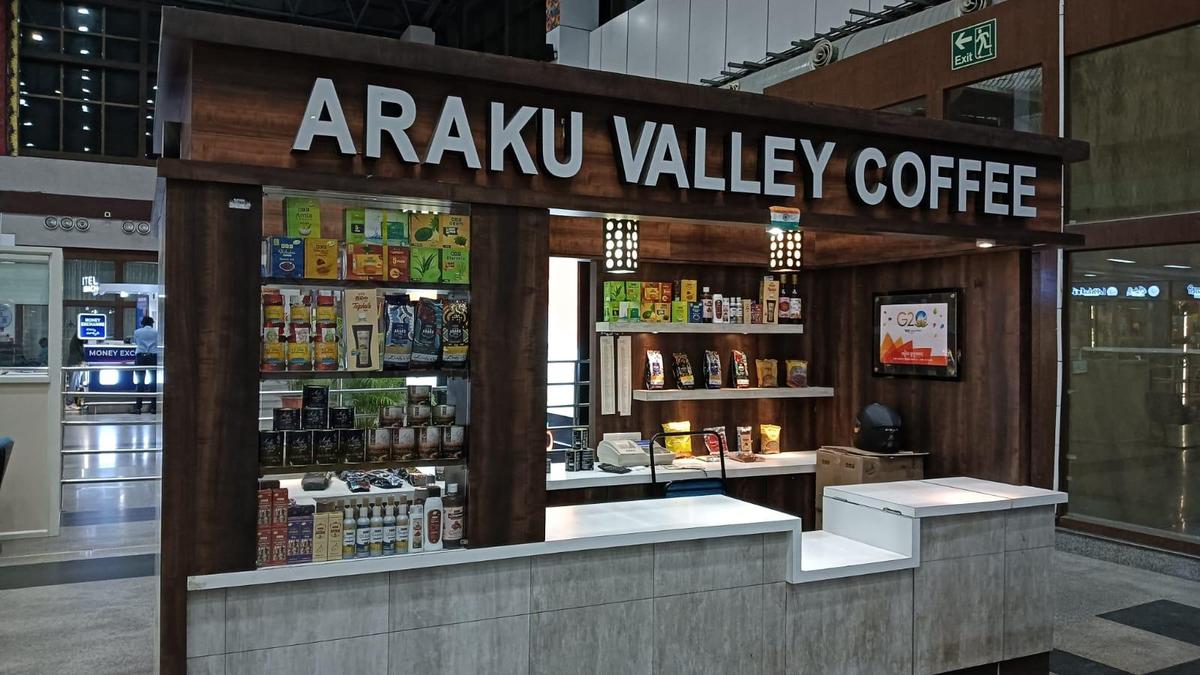
Andhra Pradesh is betting on logistics to build brands
Naidu is using cluster infrastructure, quality audits and export support to push Andhra Pradesh’s MSMEs into global supply chains; execution is the test.
Andhra Pradesh is moving from generic industrial promotion to a more targeted export strategy: the state has begun building Product Perfection Clusters in the Amaravati, Visakhapatnam and Tirupati economic regions to help local products meet international standards and win brand recognition, The Hindu reported. The pitch is straightforward. The government will act as a facilitator and infrastructure provider, while pushing quality control, logistics mapping, benchmarking and product, process and marketing audits so firms can sell into higher-value markets.
What Naidu is really trying to control
The leverage here is not subsidies alone; it is the ability to certify, move and package goods at scale. The government says it has already mapped logistics to make local products price-competitive abroad and wants district collectors to identify products that can serve as inputs for global brands, The Hindu reported. That matters because export competitiveness in practice is often decided by warehousing, cold chains, compliance and transport costs — not just by how good a product looks on paper.
The list of priorities shows the state is not picking one sector. It is reaching from agriculture and horticulture to cashew kernels, Araku coffee, black galaxy granite, gold jewellery, APIs, semiconductor components and even rocket propellants, The Hindu reported. That breadth signals a classic Andhra Pradesh industrial strategy: use existing pockets of competence, then stitch them together with corridors and common infrastructure.
Who gains if this works
The immediate winners are MSMEs, agri-processors and export-oriented manufacturers. The state wants to mobilise funding under schemes such as Raising & Accelerating MSME Performance (RAMP) and help firms source advanced technologies from abroad, The Hindu said. In the New Indian Express’s account of the same policy push, Chief Minister N. Chandrababu Naidu tied the plan to road, rail and port connectivity, lower transport costs and 175 MSME parks, underscoring that the state sees logistics as the bridge between production and exports,
The New Indian Express.
This is also part of a larger political promise. Naidu has already framed industrial policy as a jobs-and-investment campaign, with Andhra Pradesh seeking to market itself as a place where approvals are fast and manufacturing scales quickly, The Hindu reported. The brand message cuts both ways: the state wants its products to carry a premium, but it also wants Andhra Pradesh itself to become a premium investment destination.
What to watch next
The key question is whether the clusters become paperwork or production. Watch for three things: district-level product audits, actual release of logistics and quality infrastructure, and whether the BHAVYA and RAMP funding streams translate into operational parks rather than announcements. The next real checkpoint is 2026-27, when the state says several linked projects — including industrial parks and cluster build-outs — are supposed to advance, The New Indian Express and
The Hindu reported.
For readers tracking the policy architecture behind this push, it fits the broader India industrial playbook: local value addition first, export branding second, and logistics as the binding constraint.
Discover more

India
India-South Korea $50B Trade Expansion Plan
India and South Korea target $50 billion in bilateral trade by 2030, focusing on industrial cooperation and strategic alignment amid US pressures.
India
Modi's Women’s Convention in Varanasi
Modi's Varanasi rally frames women's reservation as a national mission, targeting the 2027 Uttar Pradesh elections with a strategic narrative.
India
Rajnath Singh's Durga Squad for 2026 Polls
Rajnath Singh's Durga Squad promised women's safety in Bengal but has since disappeared from the agenda, revealing BJP's true priorities.

Conflict & Security
Drone Warfare Killing Aid Workers at Unprec
Over 1,000 humanitarian workers killed in three years as cheap armed drones collapse legal protections. Gaza, Sudan, Ukraine, and DRC see deliberate targeting of aid convoys and hospitals with zero prosecutions.