Andhra Pradesh Revokes Amaravati R-5 Zone
Impact of R-5 zone withdrawal on poor families and development
Model Diplomat4 min readAsia
Andhra Pradesh Revokes Amaravati R-5 Zone — Who Wins, Who Loses
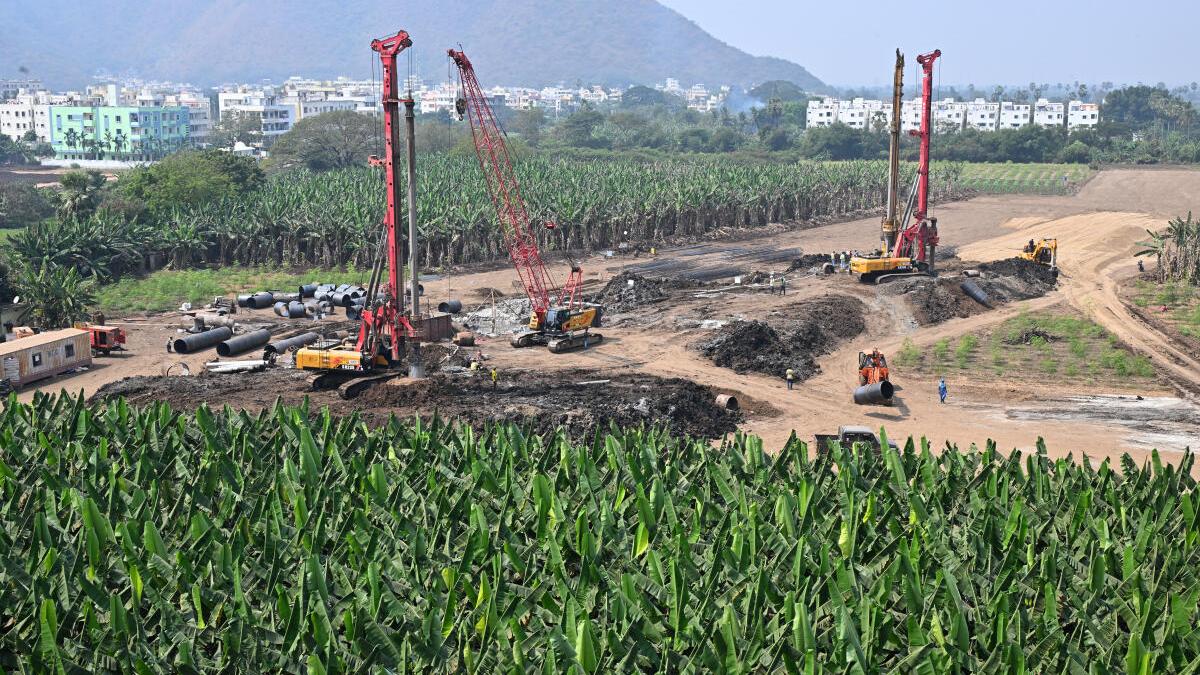
Andhra Pradesh's CRDA has withdrawn the R-5 zone in Amaravati, cancelling YSRCP-era house sites for tens of thousands of poor families and clearing a $1.78 billion World Bank–ADB build-out.
On May 5, 2026, at the APCRDA headquarters in Amaravati, Andhra Pradesh's Municipal Administration Minister P. Narayana announced the withdrawal of the R-5 zone — the residential pocket the previous YSRCP government had carved out of the capital master plan to allot house sites to roughly 47,000–51,000 poor families from outside the region. The decision, reported by The Hindu, does more than reverse a rival party's welfare scheme — it is the administrative act that converts a four-year judicial holding pattern into a cleared construction site. It restores Amaravati's 2016 master plan on the exact terms its multilateral lenders and its Kamma-farmer land-pool base demanded — and quietly writes those mostly Dalit and Backward Class beneficiaries out of the greenfield city they were promised in 2023.
What the CRDA actually did on May 5
The three-member review committee that took the call was all-TDP: Union Minister of State for Rural Development Pemmasani Chandra Sekhar, state MAUD Minister P. Narayana, and Tadikonda MLA Tenali Sravan Kumar. Narayana instructed CRDA Commissioner V. Vijay Rama Raju to personally visit the 29 capital-region villages and convene gram sabhas. Per The Hindu's report, land pooling under the revived plan is now roughly 40% complete in three villages, targeting 60% by end-May, and Narayana described farmers as "satisfied with the increased annuity."
The order does three things at once. It rescinds the January 2023 amendment to the master plan that created R-5. It voids the pattas — legal title deeds — issued by the Jagan Mohan Reddy government at a public function on May 26, 2023. And it directs officials to identify alternative sites outside the capital region for beneficiaries. The South First puts the recoverable land at about 900 acres and the affected beneficiary count at 51,000 families.
BBC Telugu recorded the disputed extent as 900.97 acres.
The legal loop the courts had already half-drawn
The R-5 revocation is bigger than a housing dispute — read it against the Andhra Pradesh Capital Region Development Authority Act. Section 41 permits the state to modify the master plan — but only if the amendment does not do "violence" to the plan's basic character. The Jagan Mohan Reddy government's 2023 amendment invoked precisely this section to insert R-5 into a plan that, as originally notified in 2016, contained no such residential zone. Explanatory reporting by The News Minute walks through the statutory route.
That amendment came after the Andhra Pradesh High Court on March 3, 2022 ordered the state to build Amaravati as the sole capital within six months, develop the reconstituted master plan on the terms accepted by land-pooling farmers, and honour the trunk-infrastructure commitments — invoking Section 53(2) of the CRDA Act and Section 6 of the AP Reorganisation Act, 2014. That ruling, summarised in BBC Telugu's contemporaneous explainer, also directed the state to develop the Hyderabad-scale trunk infrastructure it had promised farmers. The Jagan government appealed; the Supreme Court has not vacated the High Court order.
The 2023 R-5 zone always sat on contested legal ground. The AP High Court stayed construction of houses on the site on August 3, 2023 — what the PTI wire carried by ThePrint called "a major setback" for the outgoing YSRCP government — and
The Hindu's May 2023 preview recorded that the patta distribution went ahead only "amidst protests by farmers, Opposition." The May 5, 2026 withdrawal, in other words, is the administrative act closing a legal loop the courts had already half-drawn. The Naidu coalition is not conjuring new authority; it is cashing in a judicial victory that has been sitting on the shelf for four years.
The real winner: the multilateral financing envelope
The non-obvious beneficiary of the R-5 revocation is not the returning TDP; it is the multilateral consortium that has just committed $1.78 billion to a plan that, until May 5, was legally ambiguous.
On December 20, 2024, the World Bank Board approved the $800 million Amaravati Integrated Urban Development Program, with a 29-year maturity and a 6-year grace period, per the World Bank press release. The Asian Development Bank added $788.8 million; total first-phase financing runs to $1.78 billion. The Bank's country brief specifies the deliverables: a 320-km arterial road grid, 1,280 km of neighbourhood roads, and city-wide water, wastewater and stormwater systems for the 217 sq km footprint — a footprint that includes the parcels the YSRCP had reassigned to R-5. See the
World Bank India country brief. For the 51,000 families now directed to unspecified sites outside the capital region, the infrastructure clock starts over — if it starts at all.
*
Discover more
India
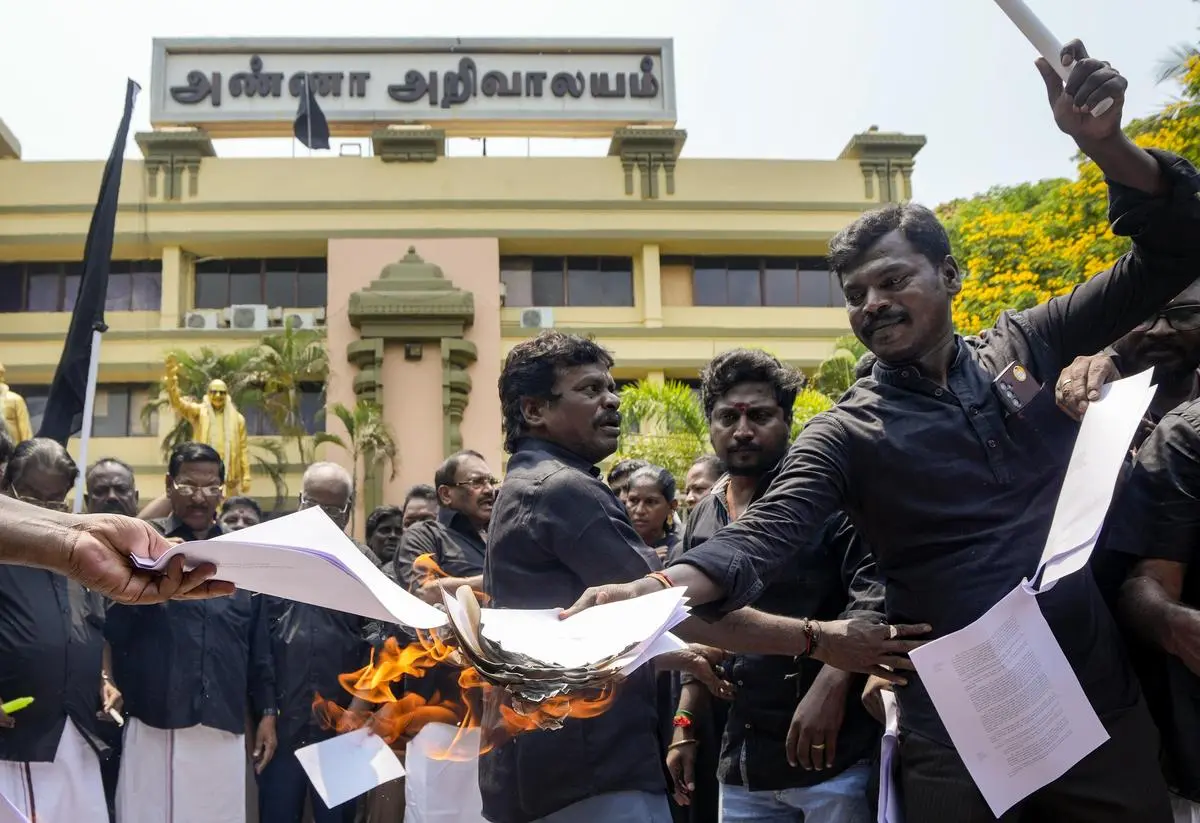
Women’s Reservation Bill 2026
The Constitution (131st Amendment) Bill, 2026 was defeated in Lok Sabha, revealing deeper political conflicts over women's reservation and delimitation.
India
CPI(M) Calls to Decouple Quota from Delimita
CPI(M) advocates for a 33% women's quota in Lok Sabha by 2029, removing the need for delimitation and census linkage.
India
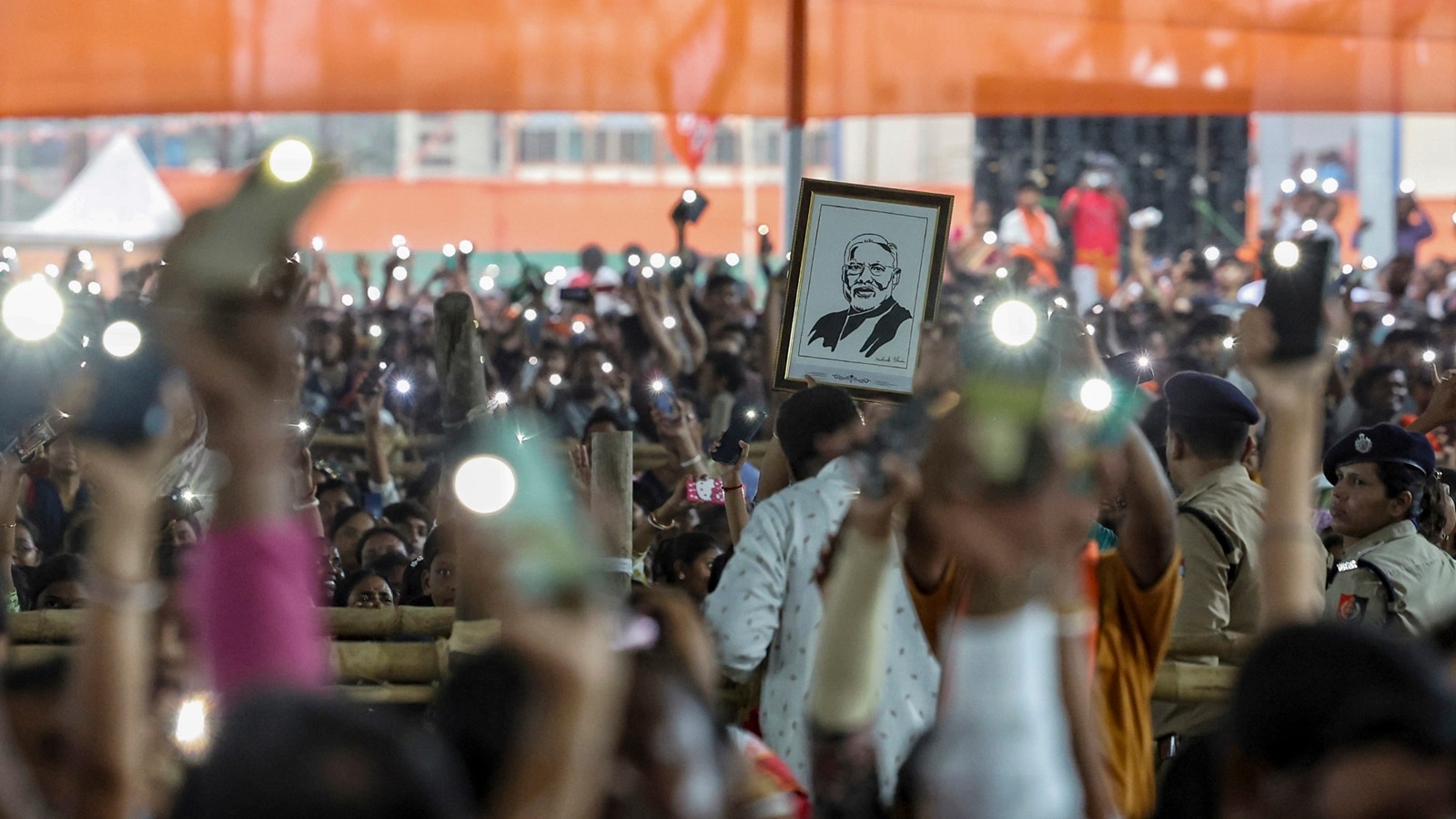
Modi's Women’s Convention in Varanasi
Modi's Varanasi rally frames women's reservation as a national mission, targeting the 2027 Uttar Pradesh elections with a strategic narrative.

Conflict & Security
Drone Warfare Killing Aid Workers at Unprec
Over 1,000 humanitarian workers killed in three years as cheap armed drones collapse legal protections. Gaza, Sudan, Ukraine, and DRC see deliberate targeting of aid convoys and hospitals with zero prosecutions.