Amit Shah's Warning
Amit Shah addresses opposition to Women's Reservation Bill in Tamil Nadu.
Model Diplomat3 min readTamil Nadu

Amit Shah Warns Congress, DMK Over Women’s Reservation Bill Opposition
Union Home Minister Amit Shah signals no tolerance for Congress and DMK resistance to the Women’s Reservation Bill amid Tamil Nadu campaigns.
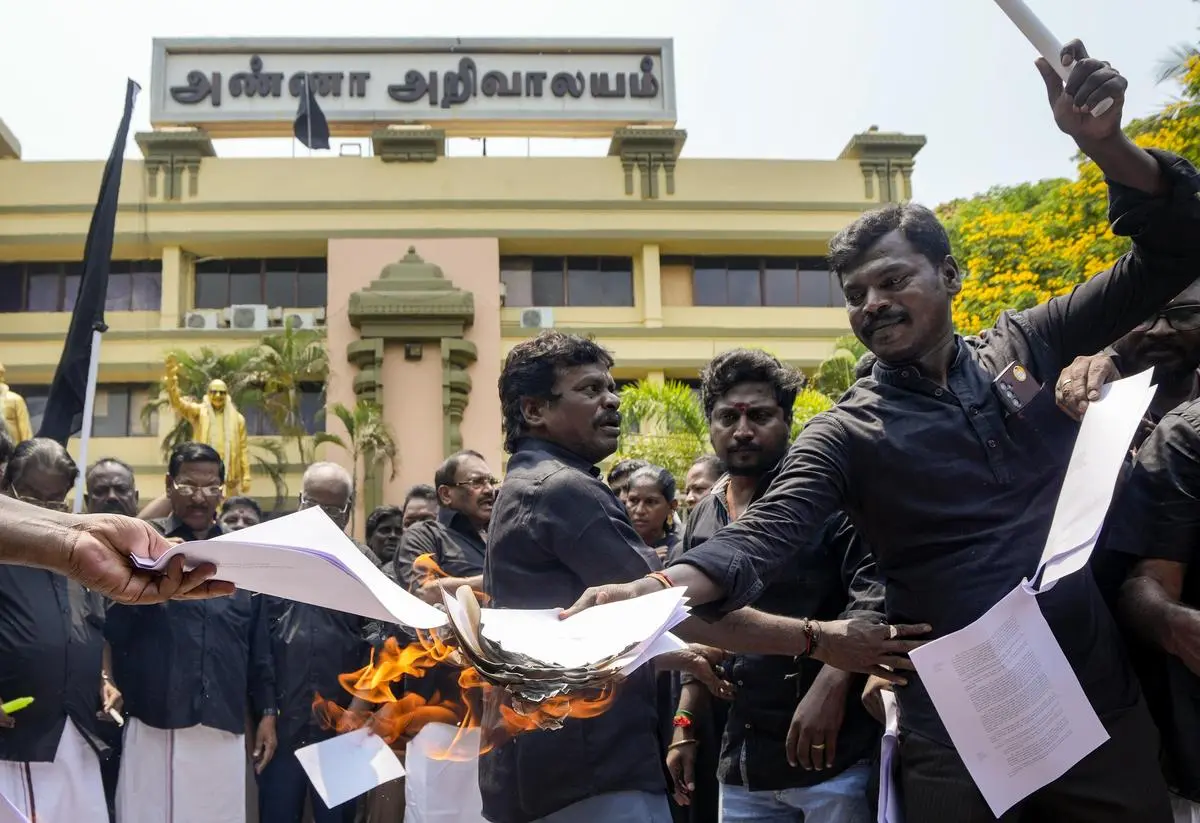
Union Home Minister Amit Shah declared that opposition by Congress and DMK to the Women's Reservation Bill, linked to a broader delimitation exercise, would not be tolerated. Speaking at BJP campaign events in Tamil Nadu ahead of the state assembly elections, Shah pushed the narrative that the bill, which proposes reserving one-third of legislative seats for women, will be enacted despite resistance from key regional players like DMK and national opposition like Congress.
Why the Women's Reservation Bill Matters Now
The Women’s Reservation Bill, which has lingered in Indian legislative discourse for decades, proposes reserving 33% of seats in the Lok Sabha and state assemblies for women. Its endorsement would mark a major constitutional and political milestone for women’s political representation. Yet, the bill’s connection to delimitation—a redrawing of electoral constituencies—has made it controversial, especially in politically sensitive states like Tamil Nadu.
Delimitation exercises impact the political calculus significantly by redefining constituency boundaries and the balance of power among caste and regional groups. The bill’s support, therefore, is not just about women’s empowerment; it dovetails with intense political jockeying over electoral territory and party strongholds.
Congress and DMK’s opposition suggests their calculation that the bill might disadvantage their current voter bases or invite unfavorable troop movements in Tamil Nadu’s competitive seat matrix. For the DMK, which has held power since 2021, delimitation could mean a redistribution of seats diluting their dominance or reshuffling caste equations they rely on.
Amit Shah’s Political Calculation
Shah’s aggressive stance signals the BJP’s determination to present itself as the champion of women’s empowerment while targeting opposition parties who have long delayed the bill’s passage. His insistence that resistance “won’t be tolerated” elevates this issue from a legislative procedure to a high-stakes political battle in Tamil Nadu, a state where the BJP has historically struggled to find footing.
This political framing allows Shah to leverage nationalist and reformist messaging to penetrate Tamil Nadu’s resistance to BJP’s broader ambitions. The party is using the bill to carve out an identity that challenges entrenched regional parties like the DMK, positioning itself as a progressive alternative pushing for social justice reforms.
Historically, efforts to pass the Women’s Reservation Bill have stalled due to opposition claiming it distorts traditional representation structures. Shah’s statements show a willingness by the BJP to confront such opposition head-on in key battlegrounds.
What to Watch Next
The Tamil Nadu assembly elections scheduled soon will offer the first major test for how this issue resonates. If the BJP can mobilize support around women’s empowerment tied to reservation policies, it might chip away at DMK and Congress traditional voter bases, especially among women and youth.
Meanwhile, whether the DMK and Congress maintain their opposition or calculate a compromise could reshape alliances. Indications that the BJP wants to push the bill through Parliament regardless mean this debate will shift from symbolic political rhetoric to the actual legislative arena post-elections.
For all parties, delimitation remains the underlying wildcard. Any realignment of constituencies following the bill could catalyze new political coalitions or splinters in Tamil Nadu—a state where polity has long been defined by calculative caste and regional balances.
The Women’s Reservation Bill debate in Tamil Nadu thus illuminates a larger dynamic: social justice reform is deeply entangled with electoral strategy, and national parties like the BJP are keen to use it to penetrate regional bastions. This development is a key flashpoint in India’s broader contest over the future of representation and power distribution.
For more on the political stakes in Tamil Nadu and India, see India political profile and broader
Global Politics.
The Hindu - Congress, DMK opposition to Women’s Reservation Bill won’t be tolerated: Amit Shah
Discover more

India
Modi's Nari Shakti Gambit
Modi's Varanasi speech redefines women's empowerment as a Nari Shakti gambit, blending appeals for women's votes with the contentious delimitation debate.
India
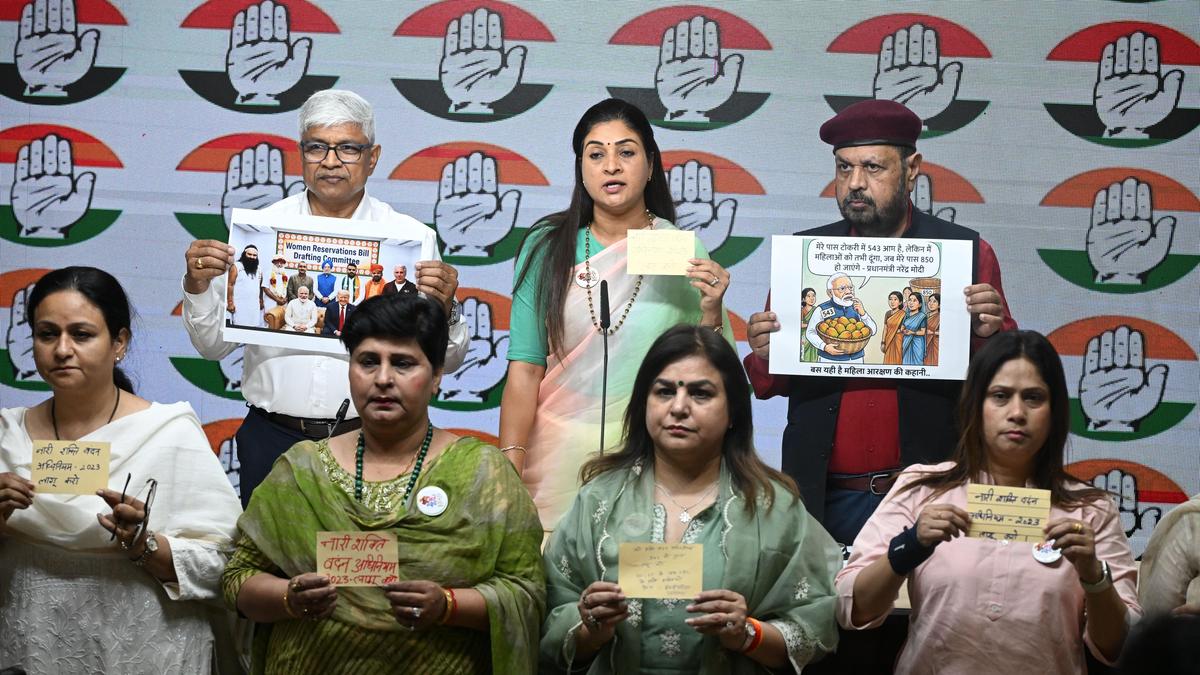
Mahila Congress Postcard Push for Women's Quo
The Mahila Congress launches a postcard campaign to demand immediate implementation of the 33% women's reservation in India's Lok Sabha, targeting PM Modi.
India
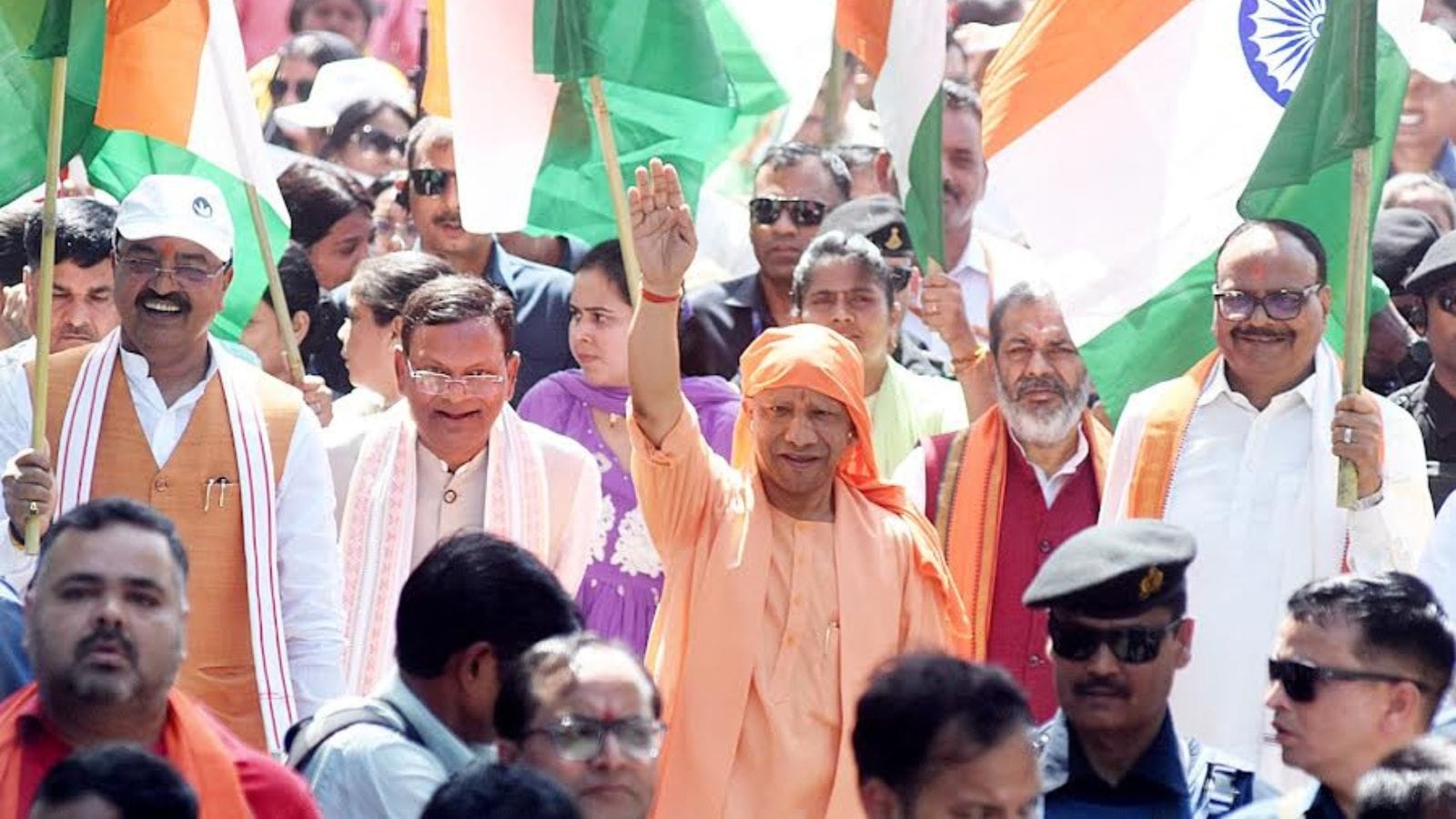
Yogi Adityanath's BJP March on Women's Bill
Yogi Adityanath's padyatra after the women's bill defeat aims to reshape UP's 2027 elections, targeting women's votes against the SP.
India
Women’s Reservation Bill 2026
The Constitution (131st Amendment) Bill, 2026 was defeated in Lok Sabha, revealing deeper political conflicts over women's reservation and delimitation.