Akhilesh Yadav's Visit to Mamata Banerjee
Exploring the implications of Yadav's Kolkata meeting with Banerjee.
Model Diplomat3 min readAsia
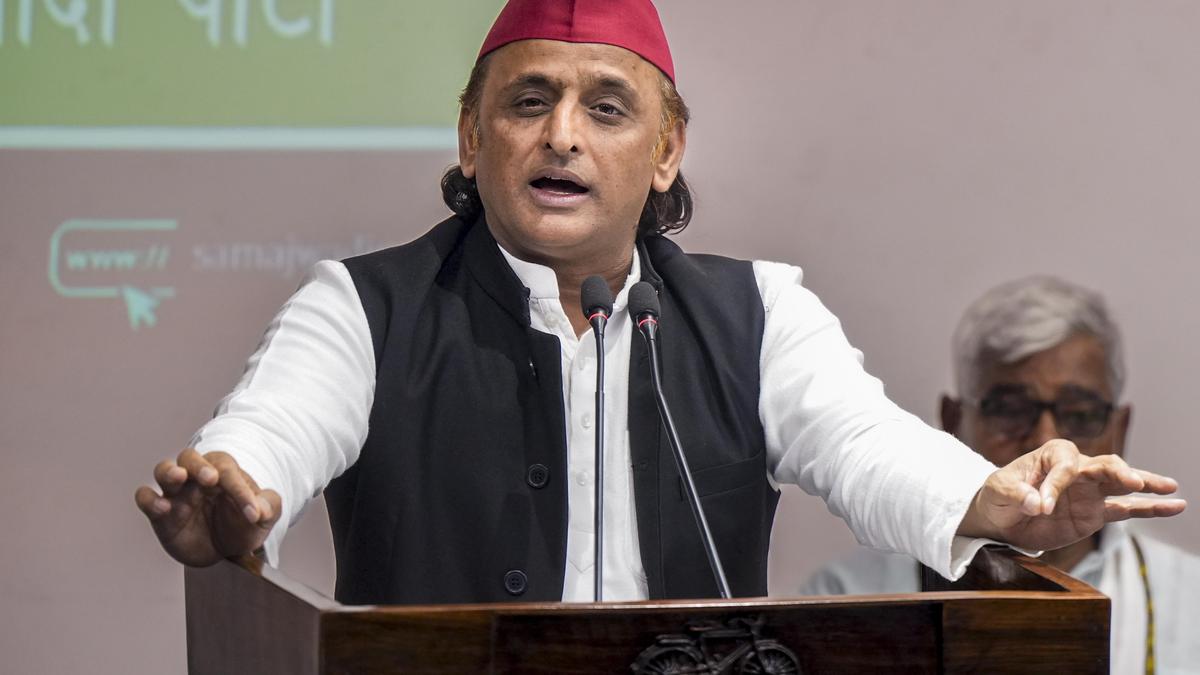
Akhilesh’s Mamata Visit Shows INDIA Bloc Still Lives
After Bengal’s shock defeat, Mamata Banerjee is using Akhilesh Yadav’s visit to project opposition unity — but the BJP now holds the stronger hand.
Akhilesh Yadav’s meeting with Mamata Banerjee in Kolkata on Thursday is less a courtesy call than a damage-control session after the Trinamool Congress’ collapse in West Bengal. The Hindu reported that Yadav met Banerjee at her Kalighat residence, discussed the post-poll situation, and reiterated support for opposition unity against the BJP, with Abhishek Banerjee receiving him at the door (The Hindu). The timing matters: Banerjee has just taken one of the worst reversals of her career, and she is now trying to turn defeat into a platform for regrouping (
The Hindu).
Power has shifted, and Banerjee knows it
The power dynamic is straightforward. The BJP’s sweep in West Bengal — 207 seats to the Trinamool’s 80, ending 15 years of Trinamool rule — has made Narendra Modi’s party the dominant force in the state and given it a major psychological win over the opposition (The Hindu). That leaves Banerjee with fewer immediate options: she can either absorb the defeat quietly or use it to rally the INDIA bloc. She has chosen the second path, telling reporters after the result that she would “strengthen” the alliance and that several opposition leaders, including Akhilesh Yadav, had called her (
The Hindu).
That makes Yadav’s visit politically useful for both sides. Banerjee gets a visible endorsement from a major regional leader. Yadav gets to position himself as a national opposition player without paying an immediate electoral cost in Uttar Pradesh, where his Samajwadi Party will face the BJP next year. News18 framed the meeting as the first senior opposition contact after the Bengal result and quoted Banerjee saying she would “strengthen the INDIA alliance,” while Yadav attacked the BJP’s democratic credentials and warned of similar tactics in Uttar Pradesh (News18).
Why Akhilesh’s role matters
Yadav is not just offering sympathy. He is signaling that the Samajwadi Party still sees value in the India opposition architecture, even after the BJP’s West Bengal breakthrough exposed its fragility. The Hindu reported that he discussed the Bengal post-poll situation and backed opposition unity against the BJP, while separately demanding that the Supreme Court examine the Bengal counting process and release video evidence of the vote count (
The Hindu). That is a familiar opposition move: turn an election loss into a narrative about process, not just performance.
For Banerjee, this is about more than symbolism. She is trying to prevent the Trinamool’s collapse from being read as a verdict on regional opposition politics more broadly. If she can keep INDIA bloc leaders visibly engaged, she avoids isolation. If she cannot, the BJP’s West Bengal win becomes a national recruiting tool. The result, as SCMP noted, is that Modi’s coalition now looks stronger not just in Parliament but across state-level power centers, giving the BJP a wider platform to set the agenda (South China Morning Post).
What to watch next
The next decision point is whether Banerjee converts this post-defeat outreach into a real INDIA bloc reset or just a series of photo-ops. Watch for two dates and two moves: whether she formally convenes opposition leaders in Kolkata, and whether Yadav carries the Bengal message into his own Uttar Pradesh campaign line. If that happens, the meeting will have served its purpose. If not, it will be remembered as the moment the opposition acknowledged the BJP’s new leverage — and failed to answer it.
Discover more
India
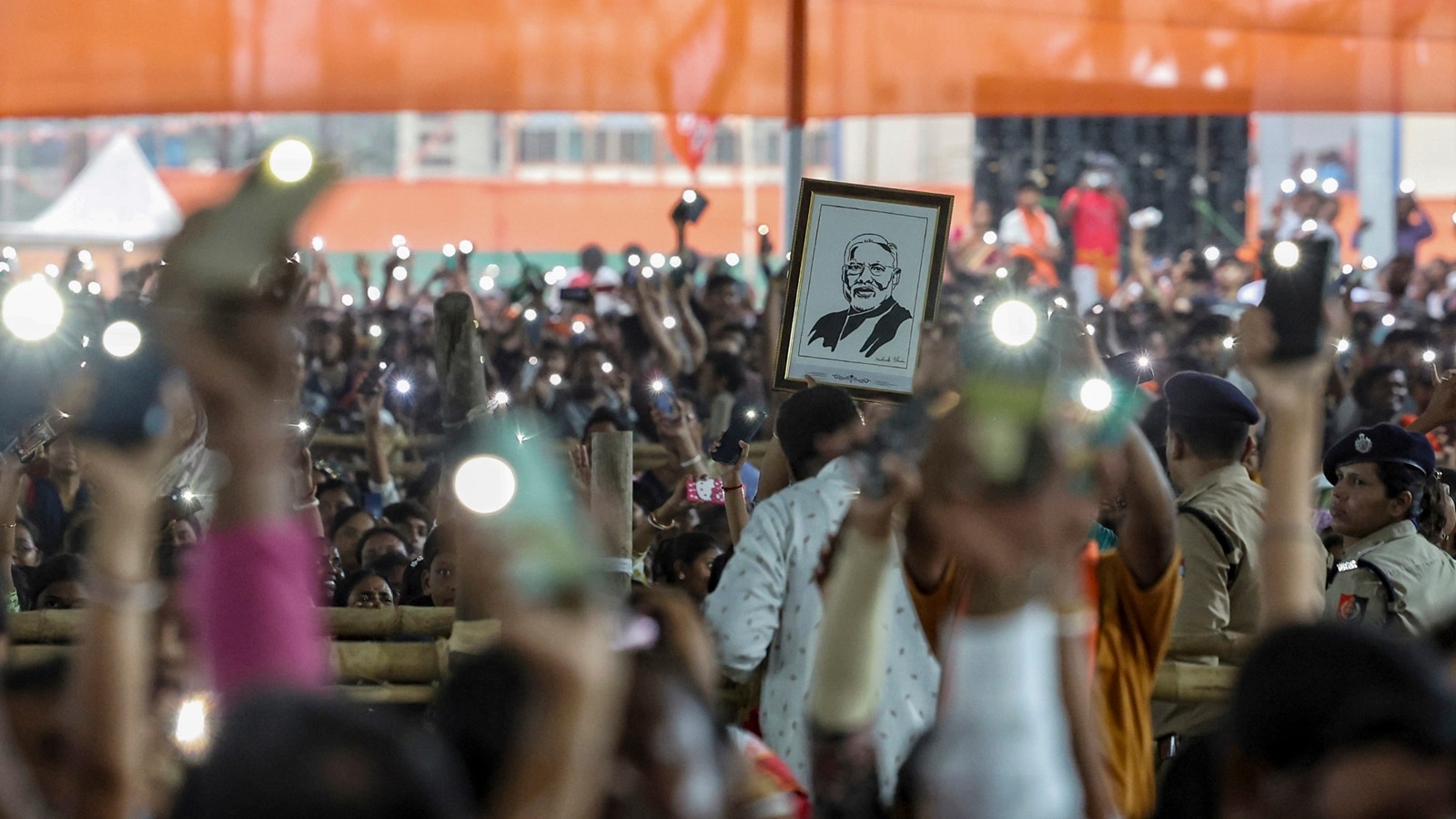
Modi's Women’s Convention in Varanasi
Modi's Varanasi rally frames women's reservation as a national mission, targeting the 2027 Uttar Pradesh elections with a strategic narrative.
India
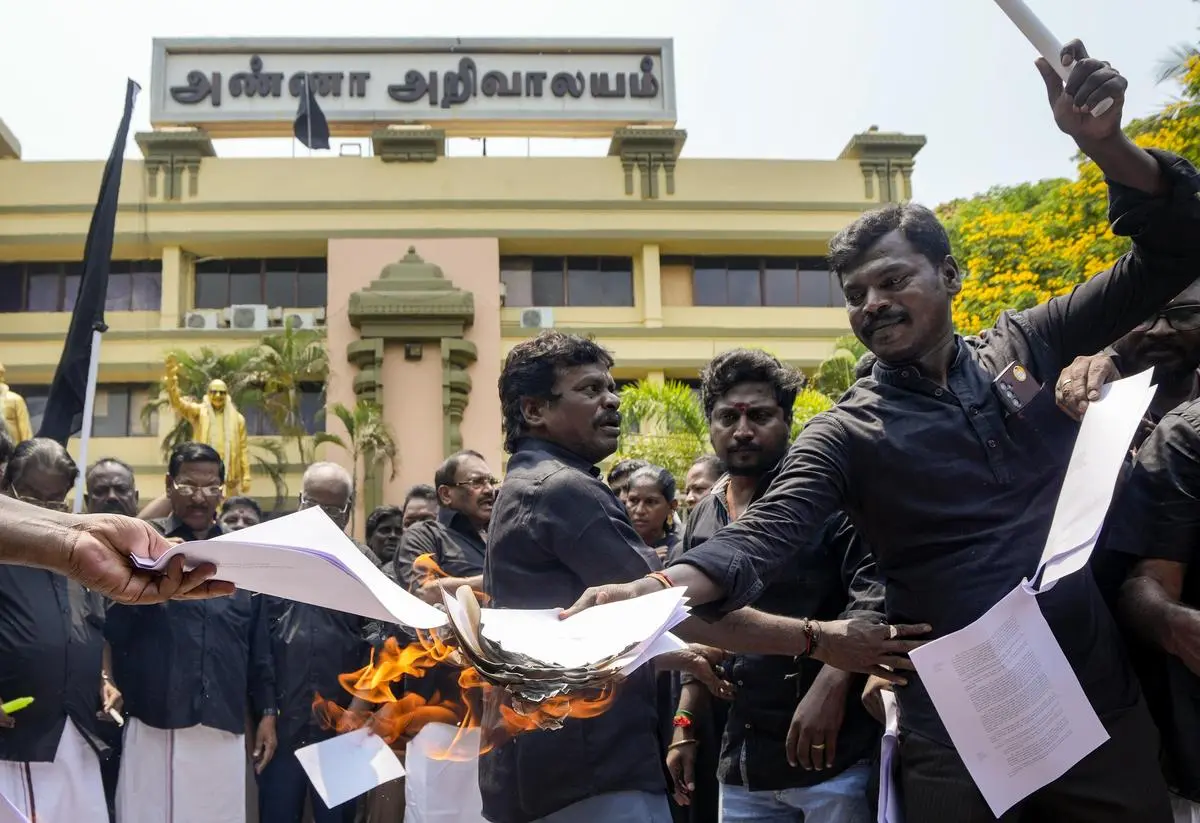
Women’s Reservation Bill 2026
The Constitution (131st Amendment) Bill, 2026 was defeated in Lok Sabha, revealing deeper political conflicts over women's reservation and delimitation.
India
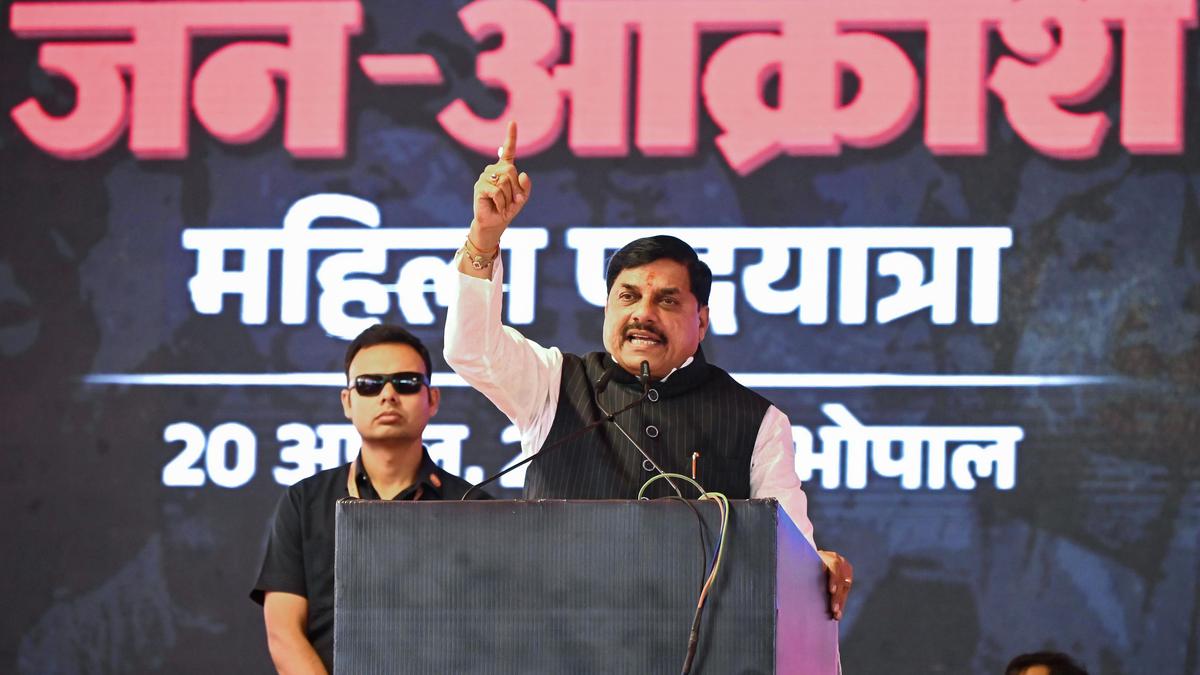
BJP Congress Clash Over MP Bill Defeat
The BJP's defeat of the women's quota amendment sparks a political narrative war with Congress, impacting future elections.

Conflict & Security
Drone Warfare Killing Aid Workers at Unprec
Over 1,000 humanitarian workers killed in three years as cheap armed drones collapse legal protections. Gaza, Sudan, Ukraine, and DRC see deliberate targeting of aid convoys and hospitals with zero prosecutions.