AIIMS Second Autopsy in Twisha Case
Madhya Pradesh High Court orders second autopsy by AIIMS Delhi.
Model Diplomat3 min readAsia
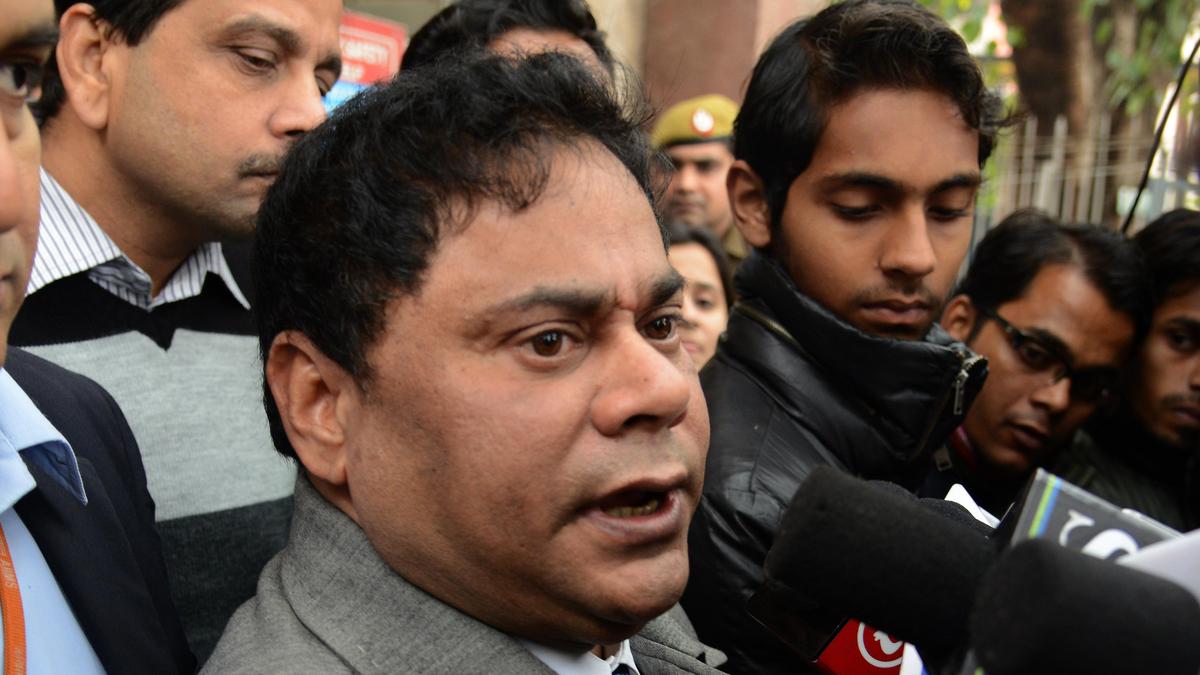
AIIMS second autopsy shifts leverage in Twisha case
The Madhya Pradesh High Court has put AIIMS Delhi in charge of a second autopsy, turning a disputed death into a higher-stakes forensic test for police, the family and the accused.
AIIMS Delhi has formed a four-member medical board to conduct a second postmortem of Twisha Sharma in Bhopal on Sunday after the Madhya Pradesh High Court ordered the fresh examination, The Hindu reported. The team is scheduled to fly in a state chartered aircraft on Saturday evening with additional forensic equipment, according to the same report.
Why the court reached for AIIMS
The court’s choice is not procedural window dressing. It is the state’s way of saying the first autopsy is no longer sufficient to settle the facts, and that the dispute has moved from local policing into institutionally backed forensic review. Twisha’s family had pressed for a second autopsy, citing discrepancies, after a lower court rejected the request, The Hindu reported.
That matters because the first postmortem was done at AIIMS Bhopal, but the family argued the record left unanswered questions. The High Court’s response gives them what they wanted: a new examination by doctors from AIIMS Delhi, not a local board that could be accused of familiarity with the original process, The Hindu said. In effect, the court is trying to restore credibility to a case already crowded with allegations of dowry harassment, drug-use claims from the in-laws, and a rapidly intensifying police probe.
Who gains, who loses
The biggest immediate beneficiary is Twisha’s family. A second autopsy by a national institute does not prove their case, but it strengthens their demand for an independent evidentiary record. It also keeps pressure on investigators to treat the death as a contested forensic matter, not a routine custodial closure.
The state government also gains something: cover. By moving the body-preservation and examination question to AIIMS Delhi, the Madhya Pradesh administration can say it is deferring to specialist judgment rather than defending a potentially vulnerable local process. That is politically useful in a case already moving toward bigger questions, including a possible CBI probe, as India Today reported.
The accused lose the most leverage. The husband, Samarth Singh, has already surrendered after evading authorities, and police are expected to seek remand, while the mother-in-law faces notice over alleged non-cooperation, The Hindu reported. A second autopsy raises the cost of any defense built around ambiguity in the original medical findings. Once a national institute weighs in, the case becomes harder to contain at the local level.
What to watch next
The key next decision point is Sunday’s examination and how quickly AIIMS Delhi submits its findings. If the second postmortem points to inconsistencies with the first report, police pressure will intensify around custody, bail and possible expansion of charges. If it largely confirms the original findings, the family’s legal strategy weakens, even if the criminal case continues.
For Delhi and Bhopal, the next date that matters is the police remand hearing after Singh’s production in court. For the wider political class, this is another reminder that in high-profile dowry-death cases, forensic credibility is now as important as the FIR. In India’s India politics, that is often where the battle is won.
Discover more
India
UN Expert Albanese: India Violates Law
UN Rapporteur Francesca Albanese accuses India of breaching international law, spotlighting human rights concerns in Kashmir and prompting diplomatic pushback.
India
Congress Accuses Modi of Stalling Women's Law
Congress accuses Modi of stalling women's reservation law by linking it to delimitation, revealing a deeper electoral strategy.
India
Congress Advocates 33% Women’s Quota
Congress calls for a 33% women's reservation in the existing 543 Lok Sabha seats, countering Modi's plan to expand the house to 850 seats.

Conflict & Security
Drone Warfare Killing Aid Workers at Unprec
Over 1,000 humanitarian workers killed in three years as cheap armed drones collapse legal protections. Gaza, Sudan, Ukraine, and DRC see deliberate targeting of aid convoys and hospitals with zero prosecutions.