AI Drones Shift Momentum in Ukraine
Ukraine leverages drones to disrupt Russian logistics.
Model Diplomat3 min readEurope
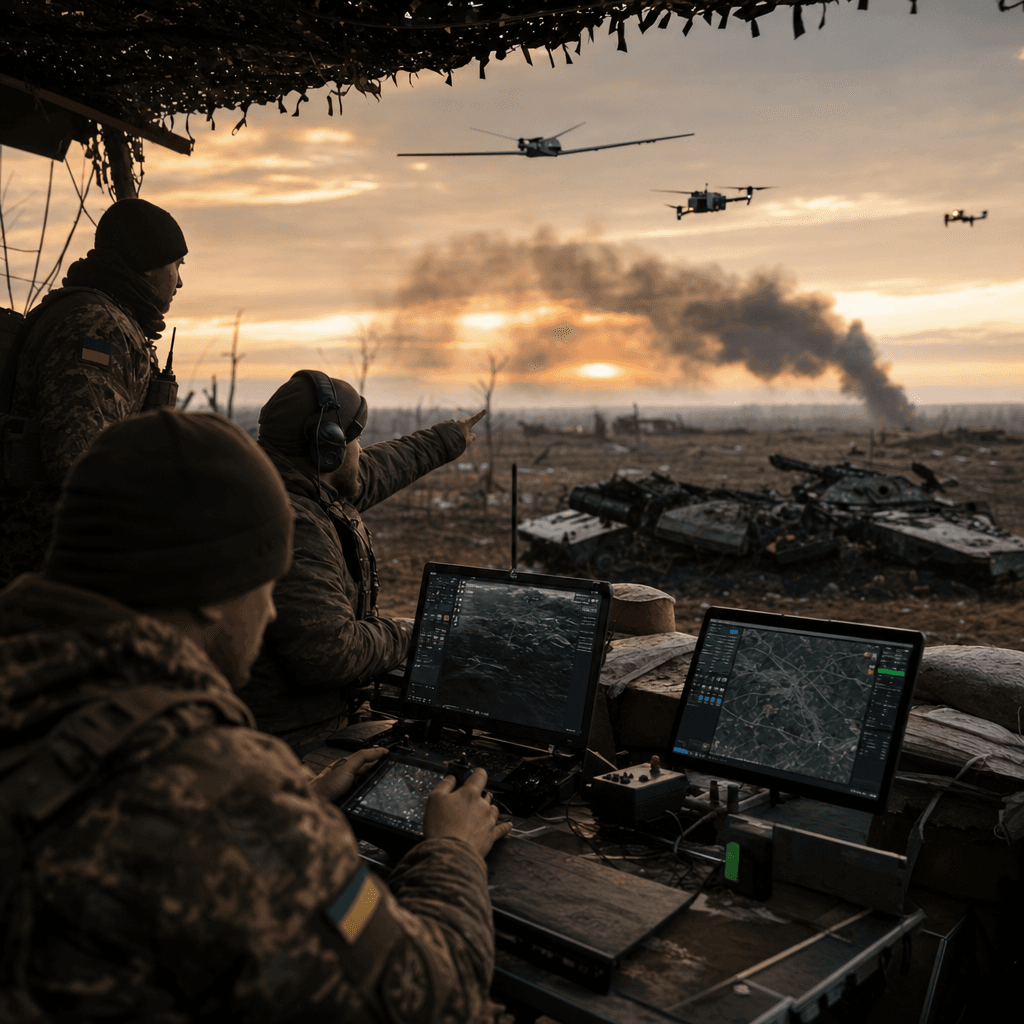
AI Drones and 'Logistics Lockdown' Turn the Tide in Ukraine
Ukraine is clawing back territory as high-tech attrition degrades Russia’s logistical chains and stalls its Donbas offensive.
Kyiv has seized a rare window of tactical momentum, leveraging a surge in domestic drone manufacturing and artificial intelligence to disrupt Russian supply lines far behind the front lines. According to reporting from The Hill, Ukraine's battlefield gains are increasingly driven by aerial dominance, slowing the grinding Russian offensive of the past year. By targeting logistics hubs and military convoys with newly fielded remote weapons, Ukraine is attempting to neutralize Russia's numerical superiority in raw artillery and manpower.
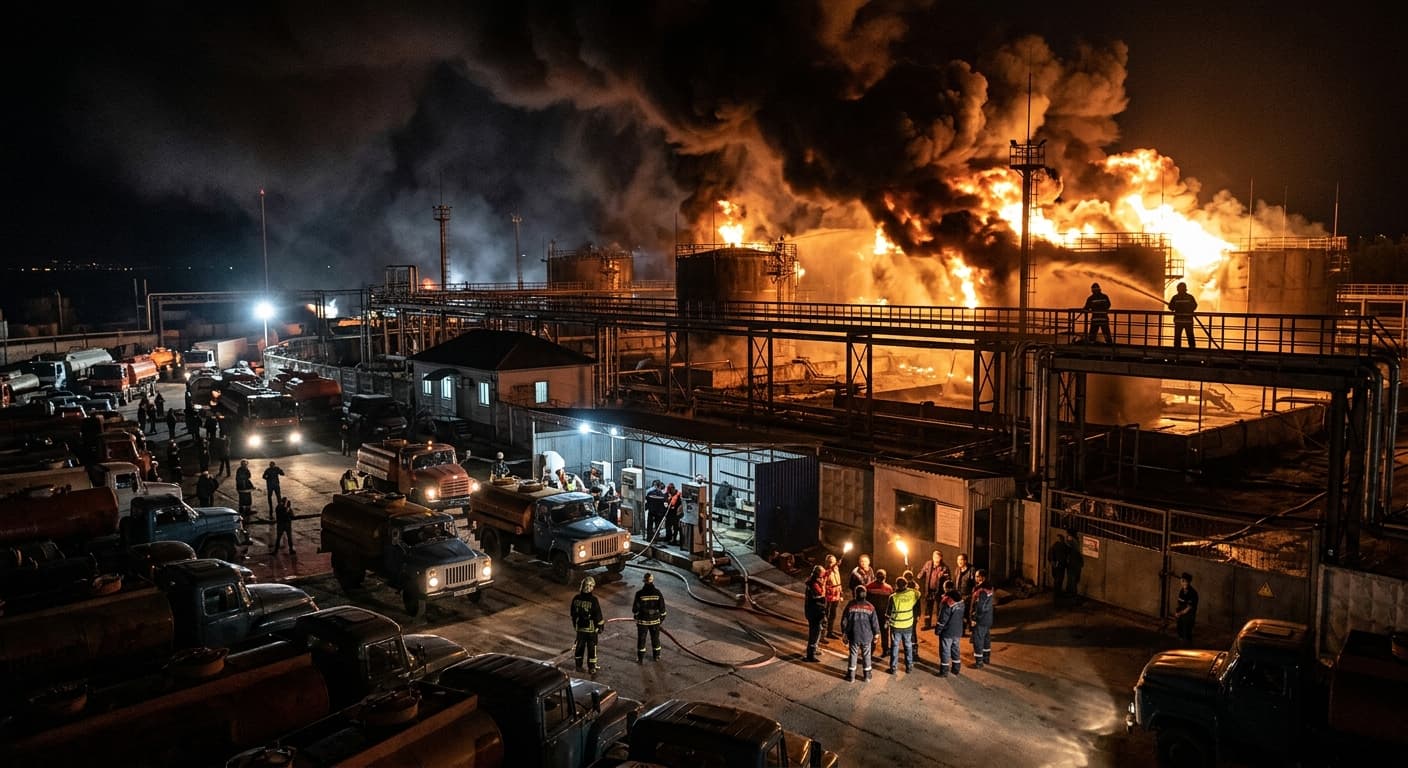
In April 2026, Ukraine began clawing back more land than it lost, reversing a multi-year trend. According to analysis from the Institute for the Study of War cited by Al Jazeera, Russia managed a net gain of just 104 square kilometers between January 1 and late May 2026, compared to over 1,600 square kilometers captured during the same period in 2025. This territorial stagnation is directly linked to a newly implemented Ukrainian strategy dubbed "Logistics Lockdown," which systematically targets fuel trucks, ammo dumps, and command structures before they can reach the front lines.
Disrupting the Rear with Smart Attrition
At the core of this tactical shift is Ukraine's rapid deployment of AI-integrated systems, such as Hornet drones, which are trained on thousands of hours of battlefield footage to identify and strike military targets autonomously, even when GPS signals are heavily jammed. As reported by the BBC, these systems bypass traditional Russian electronic warfare by using on-board machine vision and securing communication lines via Starlink. Striking Russian transport vectors up to 100 kilometers behind the contact line has forced Moscow to shorten its resupply convoys, severely choking front-line units.
But it is not just offensive operations driving Kyiv's success. Facing intensive, massed aerial assaults—such as a late-May Russian bombardment of Kyiv comprising 600 drones and 90 missiles—Ukraine has turned to cheap, 3D-printed interceptor drones costing roughly $1,000 each to knock down Russian Shahed drones in mid-air. This asymmetric innovation allows Kyiv to protect its skies without depleting its dwindling stockpile of expensive, Western-supplied air defense missiles, an issue that continues to complicate the broader International effort to sustain Ukraine's defense in this widening
Conflict.
The Costs of Insufficient Mass
The impact of this drone-enabled attrition has drastically shifted the math of the war on the ground. A U.S. Defense Intelligence Agency report to Congress revealed that Ukraine retook approximately 400 square kilometers in offensive actions over the preceding quarter, as documented by Al Jazeera. Meanwhile, the human and material toll of Moscow's remaining push in the Donbas has become increasingly unsustainable. Ukrainian Defense Minister Mykhailo Fedorov noted that Russian forces are suffering roughly 179 casualties per square kilometer of contested advance in 2026, nearly tripling the rate of losses from the previous year.
This level of attrition means that Russian infantry infiltration tactics are failing to convert into permanent territorial holds. Without secure supply lines to bring food, fuel, and ammunition into the active "kill-zones" at the front, forward Russian units are left isolated and vulnerable to Ukrainian counterattacks. However, as independent analysts point out, drones cannot hold ground on their own. The ultimate success of Ukraine's current momentum still depends on the ability of its exhausted infantry forces to physically re-occupy and consolidate these newly cleared areas.
What to Watch Next
This window of Ukrainian technological superiority is highly time-sensitive. The next critical development to watch is how quickly Russia adapts its electronic warfare countermeasures to counter the Hornet and P1-SUN drone systems, a cycle of innovation that has historically taken Moscow three to six months to complete. Additionally, observers should monitor the onset of Russia's anticipated summer offensive in the Donbas, where Moscow is expected to make another push toward the strategic hubs of Kramatorsk and Sloviansk. Whether Ukraine can scale its domestic drone manufacturing fast enough to keep these supply routes severed will determine if Kyiv can convert its current tactical momentum into a lasting strategic shift.
Discover more
Global
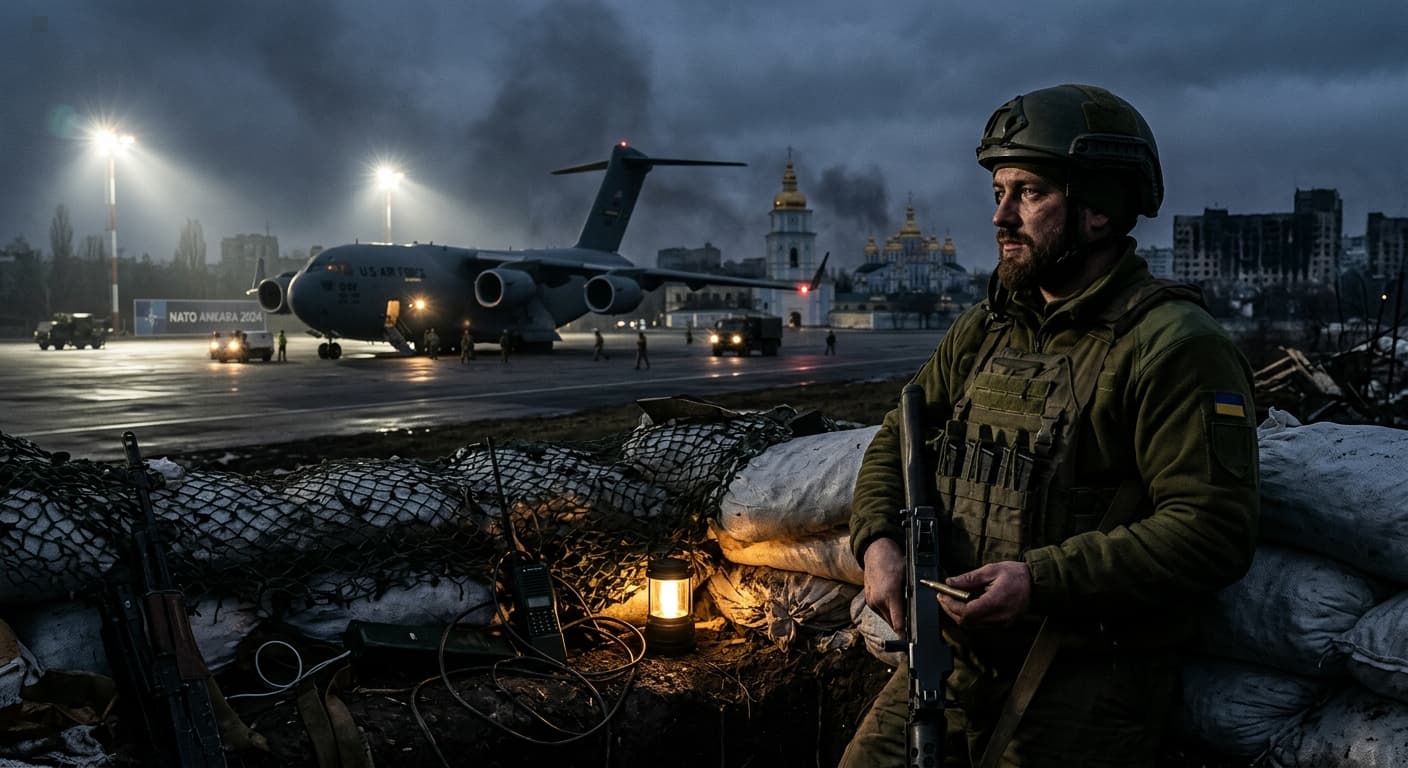
Kyiv's Empty Quiver: Ankara Summit on NATO
As Russia strikes Kyiv, NATO's Ankara summit must address Ukraine's urgent air defense needs amid dwindling interceptor supplies.
International Relations
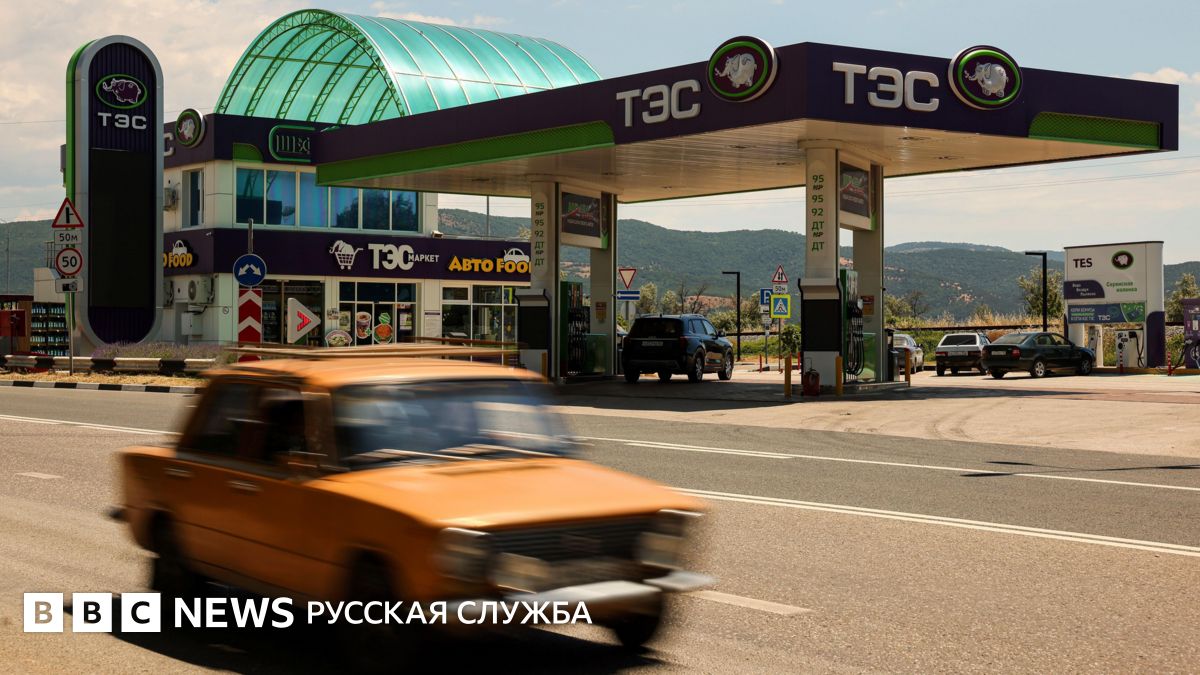
Ukraine Drone Strikes Crimea Power Grid
Ukrainian drone strikes targeting Crimea's power grid signal a strategic shift, aiming to disrupt Russian logistics by hitting critical energy infrastructure.
Conflict & Security
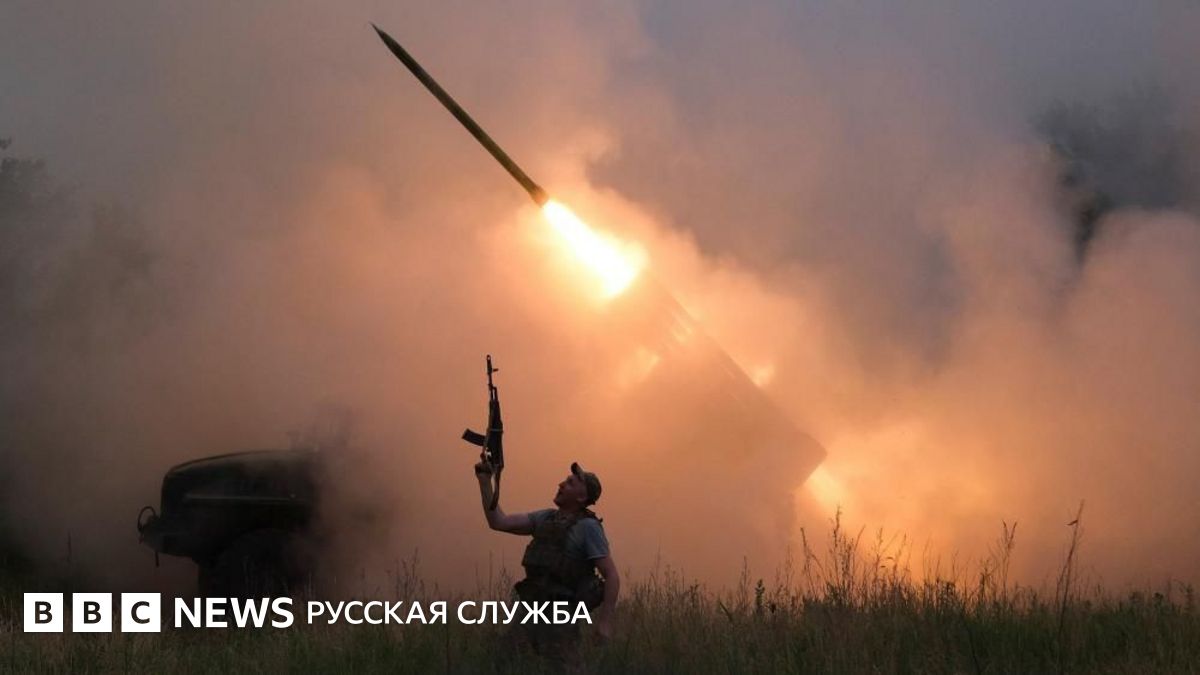
Russia Encircles Konstantinovka—Key to Donbas
Russia's encirclement of Konstantinovka could unlock the wider Donbas for further advances, marking a pivotal moment in its grinding eastern offensive.
Conflict & Security
Ukraine's Energy Offensive Hits Crimea
Ukraine's drone campaign is disrupting Russian fuel supplies and forcing rationing in Crimea, turning energy infrastructure into a key front of the war.