Abbott Seeks $11B for Texas Border Security
Texas governor pushes for federal reimbursement amid GOP support
Model Diplomat3 min readNorth America
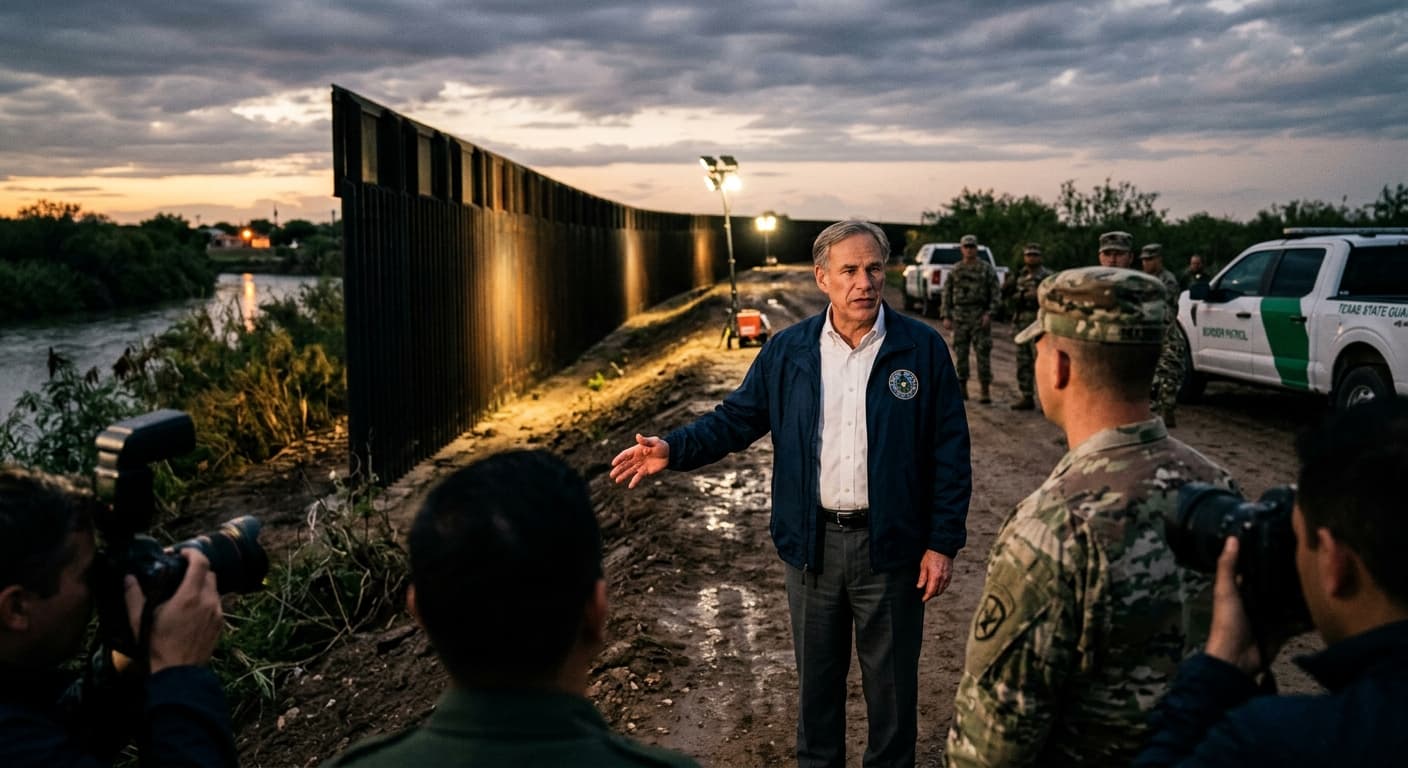
Abbott Moves to Extract $11B From Congress for Texas Border Operations
Texas governor demands federal reimbursement for Operation Lone Star, testing GOP appetite for state-led immigration spending
Greg Abbott is leveraging a Republican-controlled Congress to extract federal reimbursement for border security measures Texas has funded unilaterally under Operation Lone Star. The move signals a shift in how state border initiatives are being financed — and who bears the cost of immigration enforcement in a Trump-era GOP.
According to records from the Texas Legislative Reference Library, Abbott sent letters to U.S. Congressional leaders and the Texas delegation on January 23, 2025, formally requesting reimbursement of $11 billion in border security spending. The House responded with legislative lift: a plan to reimburse Texas up to $12 billion for its border operations, embedded in the broader H.R. 1 package (the "One Big Beautiful Bill Act") that passed in May 2025.
The leverage here is straightforward. Abbott controls a pivotal border state and has built a powerful operating base under Operation Lone Star since March 2021 — one that now includes deployed National Guard units, state troopers conducting immigration enforcement, razor wire barriers, floating buoys in the Rio Grande, and a busing program. Rather than request federal permission or partnership, Abbott built first and billed later. Now, with Republicans holding Congress and the White House receptive to hardline immigration rhetoric, he is collecting.
The stakes are real. Operation Lone Star has cost Texas over $4.5 billion by some estimates, with the state's own accounting showing roughly $10 billion in cumulative expenditures by late 2024, according to NPR reporting. That includes $148 million alone on busing over 102,000 migrants to Democratic-led cities — a politically charged tactic that has made Abbott a darling of the GOP base. The busing program, which started in April 2022, continues to expand. Asking Washington to reimburse a portion of that spending transfers cost from the Texas state budget to federal appropriations — a significant fiscal relief that other border states will immediately demand to match.
Abbott's request lands at a moment when Republican control of Congress has coalesced around hardline immigration enforcement. The House bill reimbursing Texas up to $12 billion signals party-wide acceptance of state-level border actions as a legitimate demand on federal funds. This is a reversal of the Obama-Biden posture, which litigated Abbott's measures in federal court rather than finance them. Under Trump's second term, GOP lawmakers are instead treating state border initiatives as extensions of federal policy — worthy of federal subsidy.
The political payoff for Abbott is substantial. Partial federal reimbursement reduces the hit to Texas's state budget while allowing him to claim credit for the enforcement. For Congress, especially the House GOP, approving the reimbursement shores up support among Republican voters who view border security as central. And it sets a precedent: if Texas gets $12 billion, Arizona and other border states will file their own claims.
The unanswered question is enforcement. Operation Lone Star has generated significant legal challenges — federal courts have contested the razor wire barriers, the floating buoys, and the state's unilateral immigration laws. Some measures face ongoing litigation or have been partially enjoined. Abbott is seeking reimbursement for border operations whose legality remains contested. If a court ultimately strikes down a major component of Operation Lone Star, the reimbursement becomes a federal payment for unconstitutional state action.
Abbott also faces resistance from other quarters. Democratic-led cities receiving buses of migrants have pushed back on the cost externality. Colorado's governor has requested federal aid to offset the burden. New York officials have sued to block the program. Approving reimbursement to Texas for busing migrants to rival states invites similar liability claims from those cities and states — a fiscal liability Congress is not yet accounting for.
Watch for three developments. First, whether the House and Senate pass the full $12 billion reimbursement or trim it in committee. Second, court rulings on the constitutionality of Operation Lone Star's core enforcement mechanisms — a ruling striking down key measures could torpedo the reimbursement's public justification. Third, whether other border states file competing claims, forcing a broader conversation about federalizing state border spending. Abbott has redefined the negotiation: border security is no longer a federal monopoly. Now it is a jointly funded enterprise, and he has shown exactly how to bill for it.
Discover more
US Politics
Congress Targets AI Chatbot Access for Terror
The House passed the Generative AI Terrorism Risk Assessment Act, focusing on AI's role in terrorism and potential surveillance implications.

US Politics
House Ethics Committee Pushes Sexual Miscond.
The House Ethics Committee has shifted responsibility for sexual harassment settlement records to the Office of Congressional Workplace Rights, complicating disclosure efforts.

India
Congress Advocates 33% Women’s Quota
Congress calls for a 33% women's reservation in the existing 543 Lok Sabha seats, countering Modi's plan to expand the house to 850 seats.

Conflict & Security
Drone Warfare Killing Aid Workers at Unprec
Over 1,000 humanitarian workers killed in three years as cheap armed drones collapse legal protections. Gaza, Sudan, Ukraine, and DRC see deliberate targeting of aid convoys and hospitals with zero prosecutions.