AAP's Rajya Sabha Defection
Seven AAP MPs defect to BJP, reshaping Rajya Sabha dynamics.
Model Diplomat3 min readIndia

AAP's Rajya Sabha Bloc Is Gone — Chadha's Defection Math Explained
Seven AAP MPs join BJP on April 24, using the two-thirds merger rule to sidestep anti-defection law — wiping out AAP's entire upper house presence.
Raghav Chadha and six other AAP Rajya Sabha MPs — Sandeep Pathak, Ashok Mittal, Harbhajan Singh, Rajinder Gupta, Vikram Sahney, and Swati Maliwal — formally joined the BJP today, executing the most damaging single defection to hit AAP since the party's founding. The move, confirmed by The Hindu, eliminates AAP's entire Rajya Sabha presence and delivers the BJP a readymade bloc of upper-house votes.
Why the Anti-Defection Law Doesn't Apply Here
The number seven is not accidental. Under the Tenth Schedule of India's Constitution, an MP who voluntarily leaves their party faces disqualification — unless they are part of a merger of at least two-thirds of the original legislative party. AAP held exactly seven Rajya Sabha MPs. All seven have joined the merger. Two-thirds of seven is 4.67, meaning five defectors would have sufficed under the law, but having all seven forecloses any disqualification challenge entirely.
Chadha himself stated the 2/3rds threshold had been met, explicitly invoking the constitutional provision. The Rajya Sabha Secretariat will now formally recognise the merger, and the seven MPs retain their seats — now counted within the BJP's upper house bloc. AAP cannot move a disqualification petition; the math makes it legally bulletproof.
The Backstory: A Slow-Motion Split
This did not come out of nowhere. AAP had already stripped Chadha of his deputy leader position in the Rajya Sabha weeks earlier, replacing him with Ashok Mittal — who himself is now among the seven defectors. The Frontline investigation into the
Chadha-AAP rift traces the fracture to post-Punjab tensions and internal power dynamics, with Chadha sidelined from the party's strategic core after years as its most visible national face.
Kejriwal's response was predictable but politically significant: he accused the BJP of "betraying Punjabis" and framed Chadha as a tool of Amit Shah. That framing is aimed squarely at Punjab, where AAP governs and where most of the seven MPs have their political roots. The defection gives the BJP a Punjab-linked Rajya Sabha narrative just as the 2027 Punjab assembly election cycle begins its shadow campaign.
Who Wins, Who Loses
BJP gains a clean, legally unassailable bloc of seven Rajya Sabha seats and the symbolic scalp of AAP's most telegenic national figure. AAP loses its entire upper house presence, its ability to introduce or block legislation in the Rajya Sabha, and its credibility as a party that can hold its own MPs. Punjab voters — the constituency Kejriwal is now appealing to — are the swing variable. Whether they read this as BJP muscle or AAP dysfunction will shape the 2027 assembly dynamic.
Chadha personally lands in a party that offers a safer political floor; his AAP trajectory had clearly peaked.
What to Watch Next
The Rajya Sabha Secretariat's formal recognition of the merger is the immediate procedural trigger — likely within days. After that, watch whether AAP files any legal challenge (long odds given the math) and whether the BJP deploys Chadha or the Punjab MPs on key votes before the Budget Session closes. Longer term, the 2027 Punjab assembly election is now the real test of whether this defection hardens AAP's base or fractures it further.
For deeper context on Indian politics and how upper-house arithmetic shapes legislative power, track how the BJP's expanded Rajya Sabha bloc is deployed in the sessions ahead.
Discover more
India
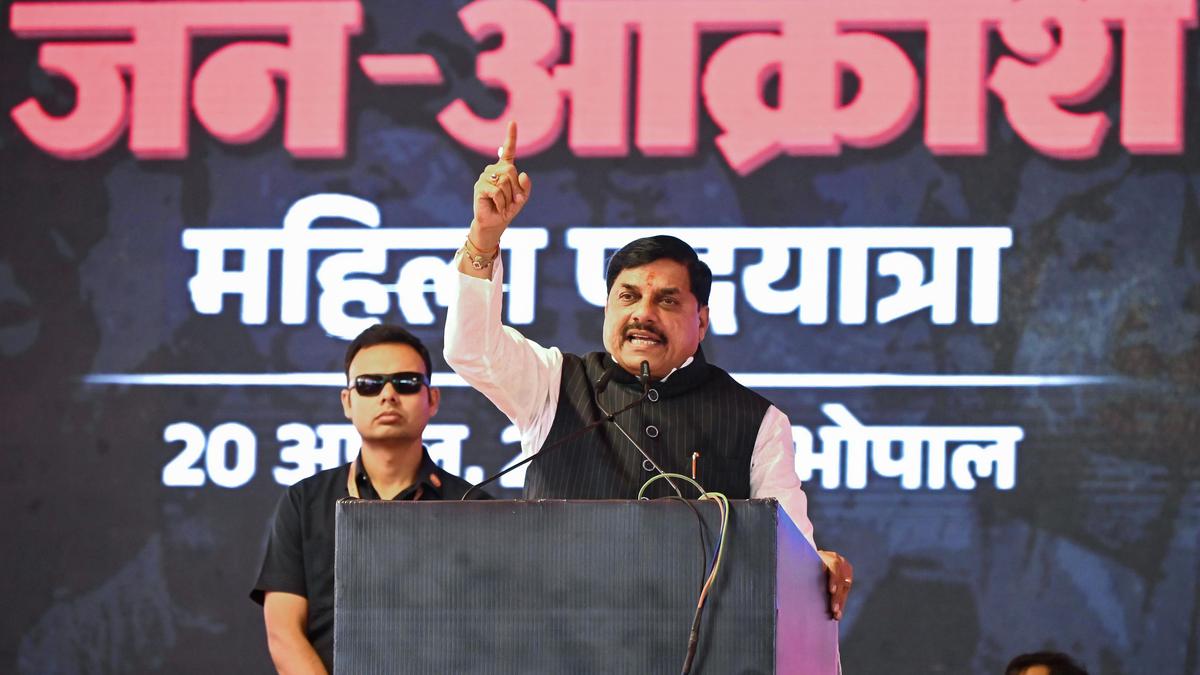
BJP Congress Clash Over MP Bill Defeat
The BJP's defeat of the women's quota amendment sparks a political narrative war with Congress, impacting future elections.

Conflict & Security
Drone Warfare Killing Aid Workers at Unprec
Over 1,000 humanitarian workers killed in three years as cheap armed drones collapse legal protections. Gaza, Sudan, Ukraine, and DRC see deliberate targeting of aid convoys and hospitals with zero prosecutions.
Global
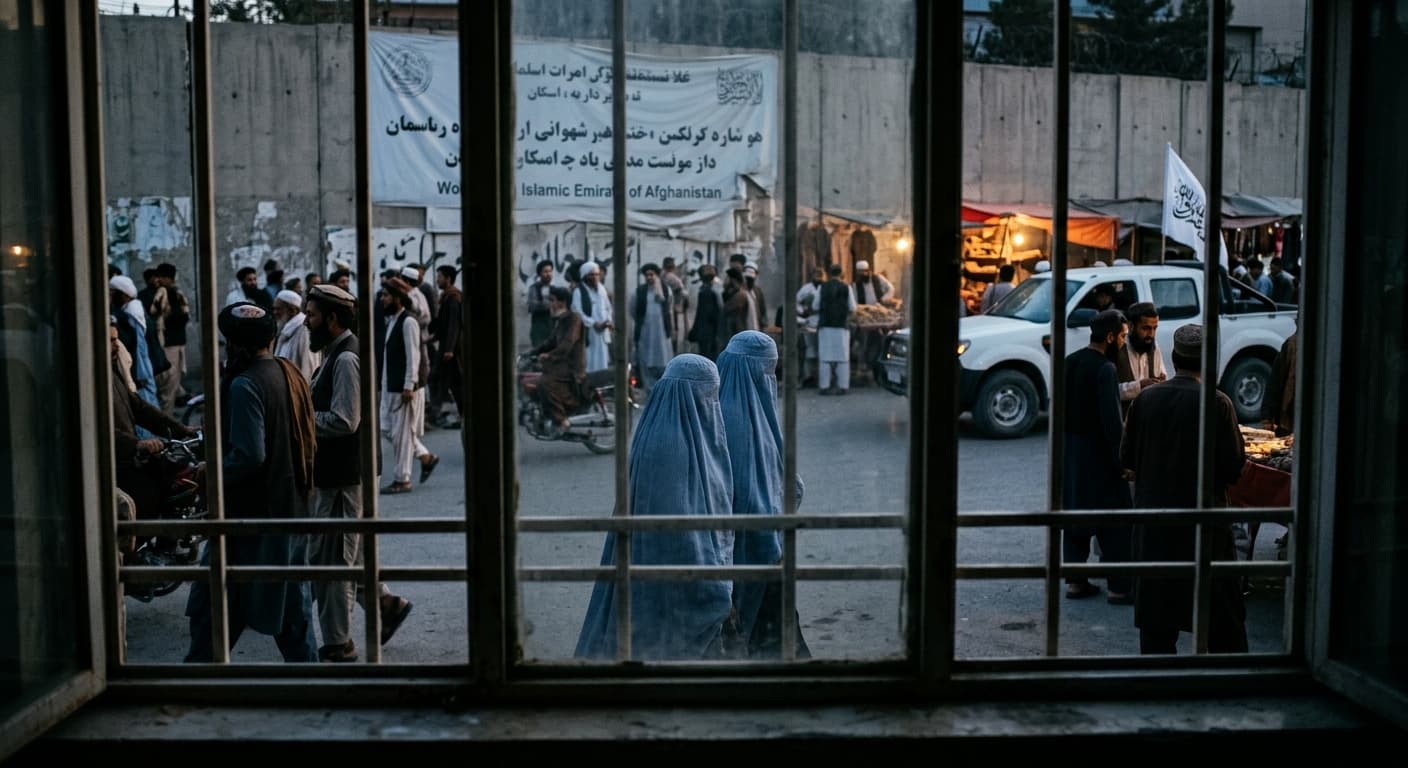
World Normalises Taliban as Afghan Women Eras
UN data shows Afghan women erased from public life as Russia recognises the Taliban, EU hosts officials in Brussels, and ICC warrants for gender persecution go unenforced.
Conflict & Security
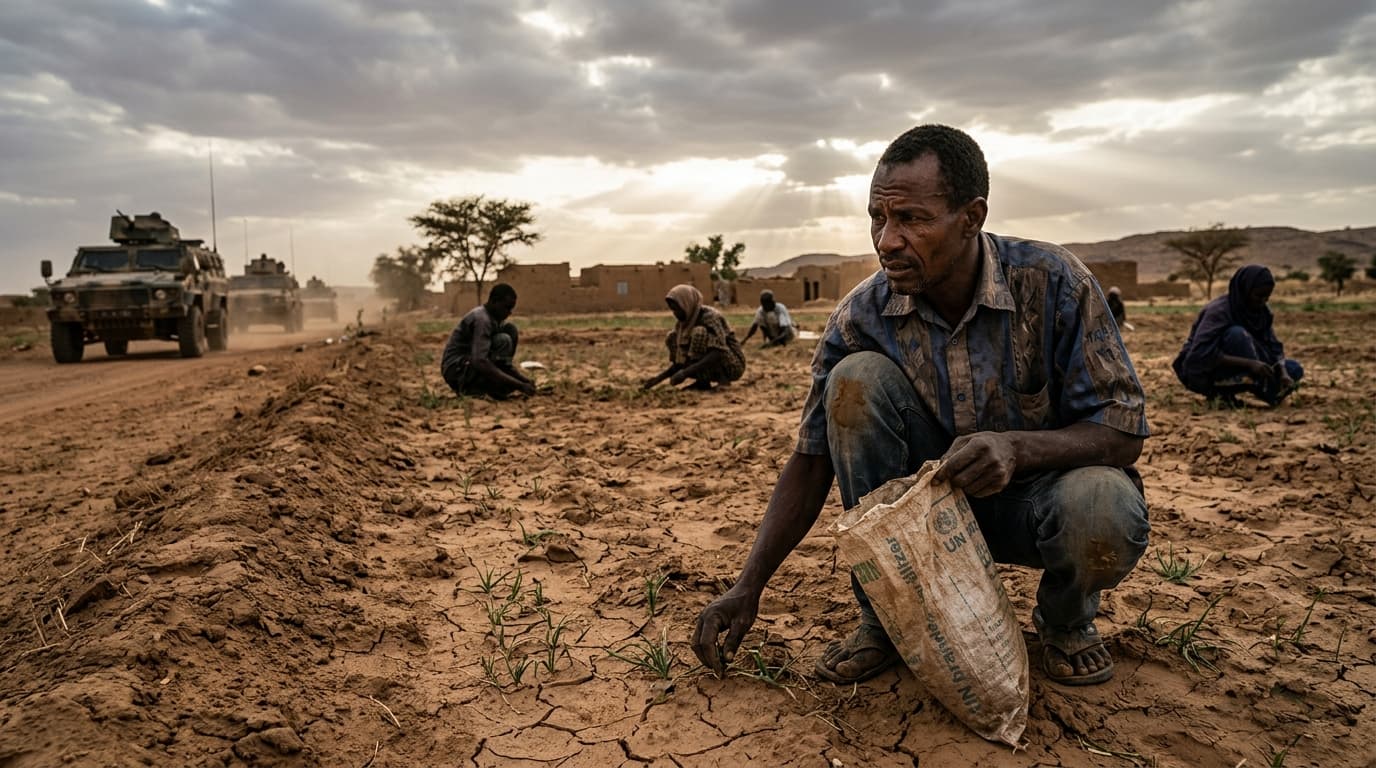
West Africa Food Crisis: Three Shocks in 2026
Conflict, climate extremes, and the Strait of Hormuz closure drive a severe food crisis in West and Central Africa, with fertilizer prices surging 80% and millions displaced.

