AAP's Rajya Sabha Defection
Seven AAP MPs defect to BJP ahead of Punjab elections.
Model Diplomat3 min readPunjab
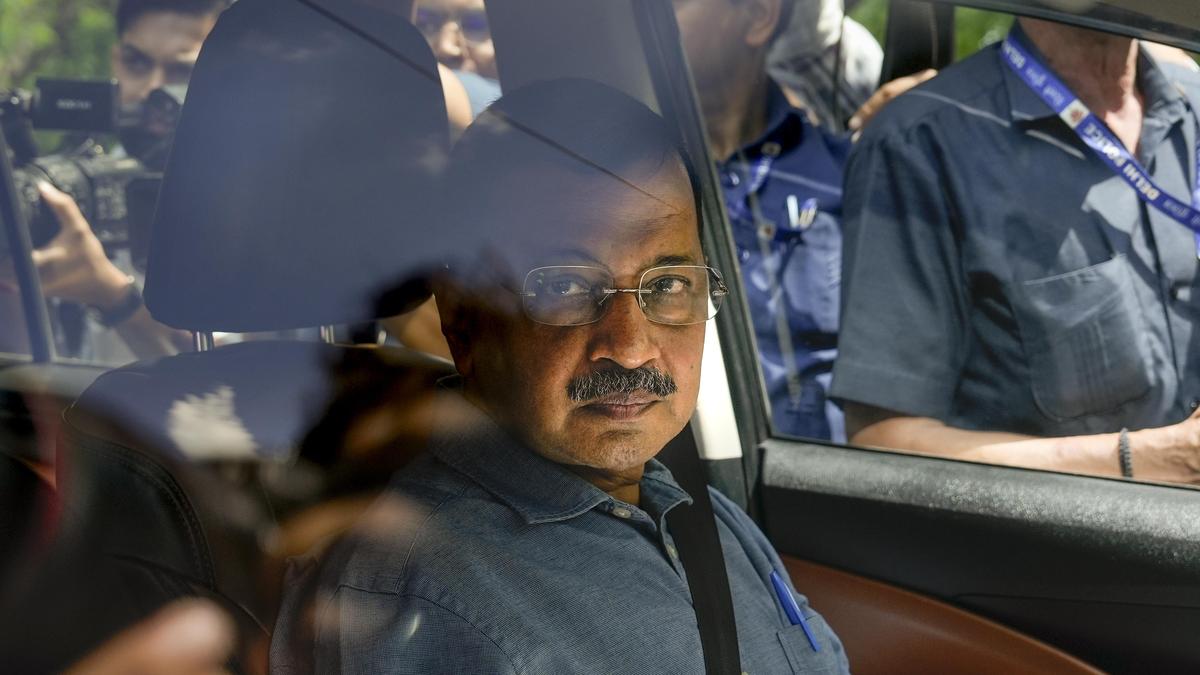
AAP's Rajya Sabha Bloc Cracks — And BJP Is Watching Punjab
Seven AAP Rajya Sabha MPs defect toward the BJP, exposing a party fracture in its most critical state with Punjab's 2027 elections approaching.
Seven AAP Rajya Sabha MPs have announced they are quitting the party and intend to merge with the BJP as a separate faction — a defection that, by Raghav Chadha's own count, represents nearly two-thirds of AAP's strength in the Upper House. Kejriwal called it BJP "giving Punjabis a shove," framing the move as another act of federal aggression against Punjab. The framing is strategic, but the damage is structural.
The Fracture Was Already Visible
This didn't come out of nowhere. The rupture follows a cascading internal crisis that was in plain view by early April 2026. AAP stripped Raghav Chadha — once Kejriwal's most high-profile face in Punjab — of his deputy leadership role in the Rajya Sabha on April 4, accusing him of ignoring Punjab-specific issues in Parliament and engaging in "soft PR" rather than real advocacy. Punjab CM Bhagwant Mann publicly called Chadha "compromised." Chadha pushed back, releasing videos of his parliamentary interventions. The war of words was public, bitter, and now consequential.
The BJP didn't manufacture this split — it absorbed one that AAP was already generating. That distinction matters. India's political landscape has a well-worn playbook of opposition parties fracturing under central pressure — ED raids on AAP MP Ashok Mittal's business entities in April added a coercive dimension — but the internal grievances here appear substantive enough to have driven the break independently.
Who Benefits, Who Bleeds
BJP wins on two fronts: it weakens AAP's Upper House voice precisely when AAP-governed Punjab is fighting the Centre over flood relief funds, RDF payments, and GST dues; and it poaches credibility ahead of the 2027 Punjab Assembly elections, where BJP has declared it will contest all 117 seats solo, having risen to 18.5% vote share in the 2024 Lok Sabha race.
AAP loses leverage in Parliament at the worst time. The Rajya Sabha bloc was its main instrument for forcing debates on Punjab's financial grievances with Delhi. That tool is now blunted. It also loses the narrative: Kejriwal's "betrayal of Punjabis" framing tries to redirect blame outward, but voters will note that the defectors were AAP's own MPs — not BJP plants.
Chadha is the pivotal figure. His role in organizing or anchoring the defection bloc determines whether this is a coordinated exit or an opportunistic pile-on by disaffected MPs using his dispute as cover. AAP's Punjab unit has explicitly named him as BJP's instrument. If that holds, it transforms a factional dispute into a defined political defection narrative — manageable. If the grievances are broader, the hemorrhage may not stop at seven.
What to Watch
Three signals in the coming weeks will define the fallout:
- The merger petition — whether the Rajya Sabha Chairman formally recognizes the breakaway group as a BJP faction determines whether these MPs retain their seats or face disqualification under anti-defection law.
- Chadha's next move — a formal BJP membership or a declared independent path will clarify how deep the alignment runs.
- Punjab's 2027 election calendar — BJP's calculus is entirely oriented toward those 117 seats. Every defector absorbed now is a local credibility asset for a party that lacks Punjab roots.
AAP still holds the Punjab government. But losing Parliament's voice while fighting the Centre over money — and losing it to the Centre's own party — is a compounding disadvantage Bhagwant Mann cannot easily offset from Chandigarh.
Sources: The Hindu |
Frontline — Chadha-AAP Rift |
Frontline — BJP Punjab Strategy
Discover more
India
BJP Congress Clash Over MP Bill Defeat
The BJP's defeat of the women's quota amendment sparks a political narrative war with Congress, impacting future elections.
India
Women’s Reservation Bill 2026
The Constitution (131st Amendment) Bill, 2026 was defeated in Lok Sabha, revealing deeper political conflicts over women's reservation and delimitation.

Conflict & Security
Drone Warfare Killing Aid Workers at Unprec
Over 1,000 humanitarian workers killed in three years as cheap armed drones collapse legal protections. Gaza, Sudan, Ukraine, and DRC see deliberate targeting of aid convoys and hospitals with zero prosecutions.

Global
World Normalises Taliban as Afghan Women Eras
UN data shows Afghan women erased from public life as Russia recognises the Taliban, EU hosts officials in Brussels, and ICC warrants for gender persecution go unenforced.