

Diplomat Briefing
Iran War Day 83: Trump Holds the Clock — Global Politics Briefing, May
·5 developments
For the complete documentation index, see llms.txt.Skip to main content
Three simultaneous deadlines — on Iran, Taiwan, and Cuba — are being driven by one actor: a Trump White House trading legal pressure and military threats for diplomatic leverage, with Xi Jinping watching the clock from Beijing.
Tehran confirmed today it is formally reviewing Washington's latest ceasefire response, delivered through Pakistani intermediaries. Pakistan's Army Chief General Asim Munir is traveling to Tehran this afternoon — his second visit this week — as Interior Minister Mohsin Naqvi separately arrived in the capital for a second round. The gap remains fundamental: Washington demands a 20-year enrichment moratorium and the transfer of roughly 400kg of 60%-enriched uranium abroad; Tehran's 14-point counter-proposal explicitly excludes nuclear issues from this phase and demands sanctions relief, asset unfreezing, and war reparations first. Stephen Miller warned from Fox News of military consequences "the likes of which has not been seen in modern history" if no deal is reached. Trump told lawmakers a deal is "within reach" and pledged to give diplomacy "a few more days." The Strait of Hormuz remains under IRGC coordination — 26 vessels transited in the last 24 hours — with Brent crude holding near $110/barrel, up ~50% since February 28.
Al Jazeera — Iran War Day 83 |
Al Jazeera — Pakistan mediation limits
Trump said Wednesday he will speak directly with Taiwanese President Lai Ching-te about the pending $14 billion arms package — which would be the first such presidential call since the US switched recognition to Beijing in 1979. Lai responded he would be "happy" to speak and used the occasion to emphasize Taiwan's sovereign status. Beijing is already applying pressure: China has blocked a proposed visit by Pentagon policy chief Elbridge Colby, signaling it cannot approve the meeting until Trump decides on the arms sale. Trump described Taiwan as "the Taiwan problem" — using Beijing's framing — while simultaneously calling his relationship with Xi "amazing," leaving Taipei's government parsing every word for signs of a concession.
Putin arrived in Beijing Wednesday, just days after Trump's own state visit, and left with a 47-page joint declaration on building "a multipolar world and new type of international relations," along with ~40 bilateral deals. The two sides confirmed nearly all bilateral trade — which reached $240bn in 2025 and grew 20% in early 2026 — is now conducted exclusively in rubles and yuan. Crucially, Putin did not secure final approval for the long-delayed Power of Siberia 2 pipeline (50 bcm/year via Mongolia), where "details are still being negotiated" — a sign Xi is in no hurry to give Moscow the leverage it needs. Xi called an end to the Iran war a matter of "utmost urgency" but made no mention of Ukraine, a silence European capitals will note carefully.
Al Jazeera — Xi-Putin summit |
BBC
The Senate voted 50–47 on Tuesday to advance a War Powers Resolution that would require congressional authorization for continued military action against Iran — the first such measure to break through after seven previous attempts were blocked this year. A handful of Republicans crossed party lines in what analysts describe as the clearest sign yet that the Iran war is becoming a political liability ahead of November midterms. The path to becoming law remains steep: the resolution still needs to clear the House and achieve two-thirds majorities in both chambers to survive a veto. Trump's legal defense — that his May 1 declaration of ceasefire "terminated" hostilities — is widely disputed; US forces continue to blockade Iranian ports.
The Department of Justice formally charged former Cuban President Raúl Castro with murder, conspiracy to kill US citizens, and destruction of aircraft, in connection with Cuba's 1996 downing of two Brothers to the Rescue civilian planes that killed four men — three of them US citizens. Acting AG Todd Blanche announced the charges in Miami alongside the FBI's deputy director and Florida AG James Uthmeier. The indictment mirrors the legal template used against Nicolás Maduro in 2020, which the Trump administration later cited as justification for intervention in Venezuela. CIA Director John Ratcliffe traveled secretly to Havana last week, meeting Castro's grandson Raúl Rodríguez Castro ("El Cangrejo") — the man Washington reportedly sees as a viable transition figure. Trump said he does not expect escalation, but pointedly left the door open to a deal.
El País English |
El Universal
$110/barrel — Brent crude as of May 20. Down slightly after positive US–Iran signals, but LSEG analysts warn "prices are likely to still exhibit some upside potential even if a deal is concluded." The UN has cut global growth forecasts to 2.5% for 2026, citing the energy shock. Al Jazeera
Hungary's Viktor Orbán Voted Out — and the EU Is Already Acting Differently
Orbán's April election loss to Péter Magyar did more than change one government: it unblocked EU foreign policy. Within weeks, the EU unanimously agreed to sanction Israeli settlers and Hamas leaders simultaneously — measures Orbán had vetoed for over a year. Italian PM Meloni, not historically aligned with progressive EU positions on Israel, joined the consensus and summoned Israel's ambassador over the flotilla video. Magyar has already appeared alongside Poland's Donald Tusk to signal Hungary's "return to Europe." The structural implication is significant: with the last major internal EU veto point gone, European policy toward Israel, and potentially toward China and Russia, is about to move faster than at any point since 2022. NPR/AP |
Japan Times
Diplomat Briefing — Daily political intelligence.
Read more:
Today's stories
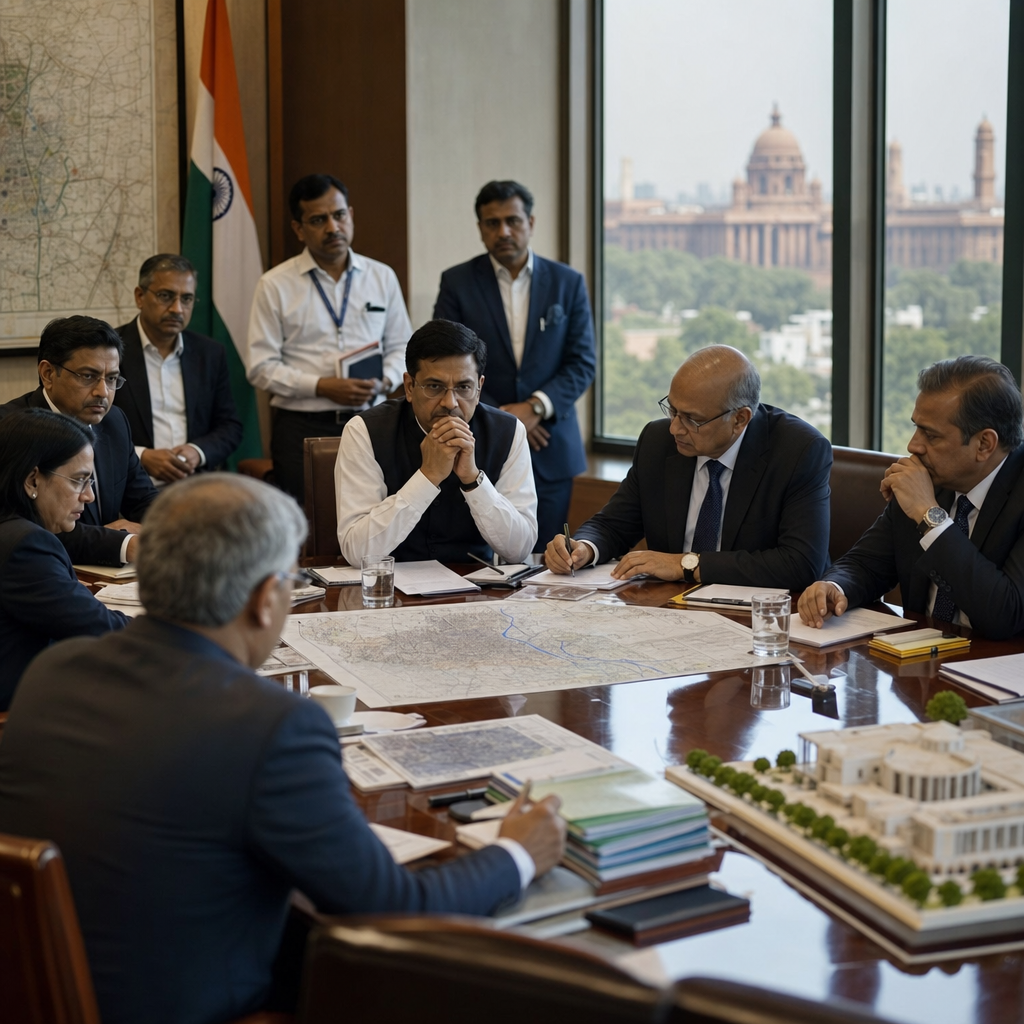
The Centre's proposal for a Delhi-focused urban affairs department aims to streamline governance.
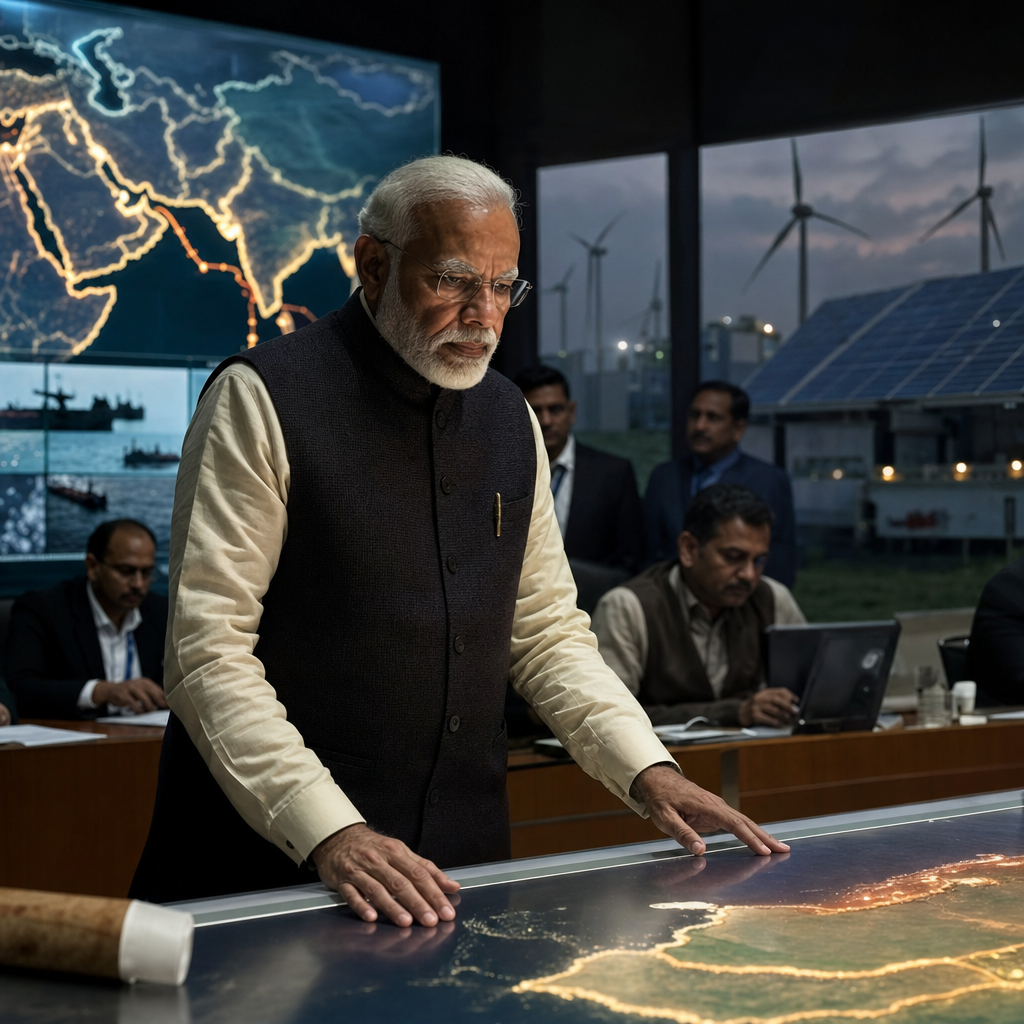
Modi's government pivots to alternative energy amid West Asia tensions.

Centre's proposal to split MoHUA indicates a tighter grip on Delhi's governance.