

Diplomat Briefing
Islamabad Accord Holds — Global Politics Briefing, April 19, 2026
·5 developments·1 deep dive
For the complete documentation index, see llms.txt.Skip to main content
From a fragile ceasefire in the Gulf to polls opening in Sofia, the world is holding its breath on multiple fronts — and the thread connecting it all is whether diplomatic frameworks can outrun the pressure to collapse them.
A US–Iran ceasefire brokered by Pakistan remains in effect across all theaters — Iran, Lebanon, Yemen — but a final settlement is nowhere close. Iran's 10-point peace plan, relayed through Islamabad, demands the US recognize Tehran's right to uranium enrichment, lift all sanctions, pay war reparations, and withdraw military forces from the Gulf. Washington has not accepted any point publicly. The ceasefire's two-week window, announced April 8 by Pakistani PM Shehbaz Sharif, is expiring or expired — and the Strait of Hormuz, partially reopened during the pause, remains a live bargaining chip. VP JD Vance and envoy Steve Witkoff are in the backchannel alongside Pakistan's Field Marshal Asim Munir, but the gap between Iran's maximalist demands and anything Trump can sell domestically is vast. The next 48 hours are the real test.
Al Jazeera — Day 40 of the War |
Reuters — Iran's Preconditions |
CFR — Trump Weighs Military Options
Bulgaria holds its eighth parliamentary election in five years today, April 19. Former president Rumen Radev, running for prime minister under his new center-left coalition Progressive Bulgaria, leads polls at roughly 33% — a margin wide enough to suggest a real mandate after years of revolving-door governments. The caretaker government of PM Andrey Gyurov explicitly requested EU assistance to counter Russian disinformation campaigns during the campaign, a notable signal of just how contested the information environment has become in Sofia. If Radev wins and consolidates a coalition, it would be the first time since 2021 that Bulgaria has had a government with a genuine shot at completing a full term — consequential for a NATO and EU member that borders both Turkey and Romania on Europe's southeastern flank.
Politico EU — Radev Tipped to Win |
Politico EU — Bulgaria Requests EU Anti-Meddling Help
Twelve months ago, Pakistan was an IMF supplicant teetering toward default, internationally isolated, and mired in domestic political chaos. Today it is hosting the most consequential peace talks on the planet. Field Marshal Asim Munir has leveraged Islamabad's unique position — Muslim-majority, nuclear-armed, with ties to Washington, Beijing, Riyadh, and Tehran — to insert Pakistan as the indispensable mediator in the US–Iran conflict. The IMF stabilization program that averted default turned out to be the foundation for this diplomatic credibility. India, watching from the sidelines, is openly debating within its strategic community whether it has been outmaneuvered by its rival for regional influence. This is a structural shift, not a moment.
Reuters — Pakistan's Remarkable Makeover |
BBC — Is India Being Sidelined?
An international conference in London last week pledged over €800 million in humanitarian aid for Sudan — the world's worst ongoing humanitarian crisis by most UN metrics. The number sounds large; it isn't. The WFP alone had a $700 million funding gap just to sustain operations through June. Two years into the war between the Sudanese Armed Forces and the Rapid Support Forces, 13+ million people are displaced, RSF forces recently destroyed the Zamzam displacement camp in Darfur, and a ceasefire is no closer than it was in 2024. The conference produced no peace mechanism, no accountability framework, and no invitation to either warring party — it was humanitarian triage, not diplomacy.
BBC — Sudan Pathway to Peace Talks |
AP News — International Conference on Sudan
Even with the Strait of Hormuz partially reopened under the ceasefire, the damage to humanitarian logistics is cascading. The WFP reports tens of thousands of metric tons of food aid stranded. UNICEF cites 20%-plus cost increases and longer delivery timelines for vaccines. The IRC has pharmaceuticals for Sudan stuck in transit. Aid organizations are rerouting shipments around Africa or through mixed land-sea-air corridors — adding weeks and hundreds of thousands of dollars to deliveries. The hidden story here: even if a final Iran peace deal is signed tomorrow, the logistical disruption to humanitarian supply chains will persist for months. The conflict's human cost is already baked in.
AP News — Iran War Hindering Global Aid
€800M — Aid pledged for Sudan at the London conference, against a crisis the UN says requires multiples of that figure to meaningfully address. The gap between what was pledged and what the WFP needs just through June illustrates why "record pledges" headlines so often mask the inadequacy of the international response. BBC
−0.2% to −1.5% — The WTO's range for projected contraction in global goods trade in 2025–2026, driven by Trump-era tariffs and Middle East supply disruptions. The lower end assumes a partial rollback; the upper end assumes reciprocal tariffs stay. The WTO's Director-General called it the worst disruption to the multilateral trade system in 80 years. AP News — WTO Trade Warning
China Is the Quiet Loser of the Iran War — And Beijing Knows It
Lost in the noise of US–Iran brinkmanship is how badly this conflict cuts against China's core interests. Beijing doesn't just rely on Middle Eastern oil — it relies on a stable international order as the operating environment for its entire economic rise. A chaotic, volatile United States willing to strike nuclear facilities and close major shipping lanes is a worse strategic problem for China than a merely powerful one. Foreign Affairs reports that Beijing is genuinely alarmed — not celebrating — and has been quietly pushing Iran toward the ceasefire. That's leverage China spent, not accumulated. If the Islamabad talks collapse and the US strikes again, Beijing faces an excruciating choice: deeper involvement in a war it can't control, or watching its credibility as an alternative global order-builder evaporate.
Pakistan's Islamabad Accord: A Fragile Peace in the Middle East
The Islamabad Accord aims to stabilize the US-Israel war on Iran, with Pakistan as a key mediator. Can it hold?
Diplomat Briefing — Daily political intelligence.
Read more:
Today's stories
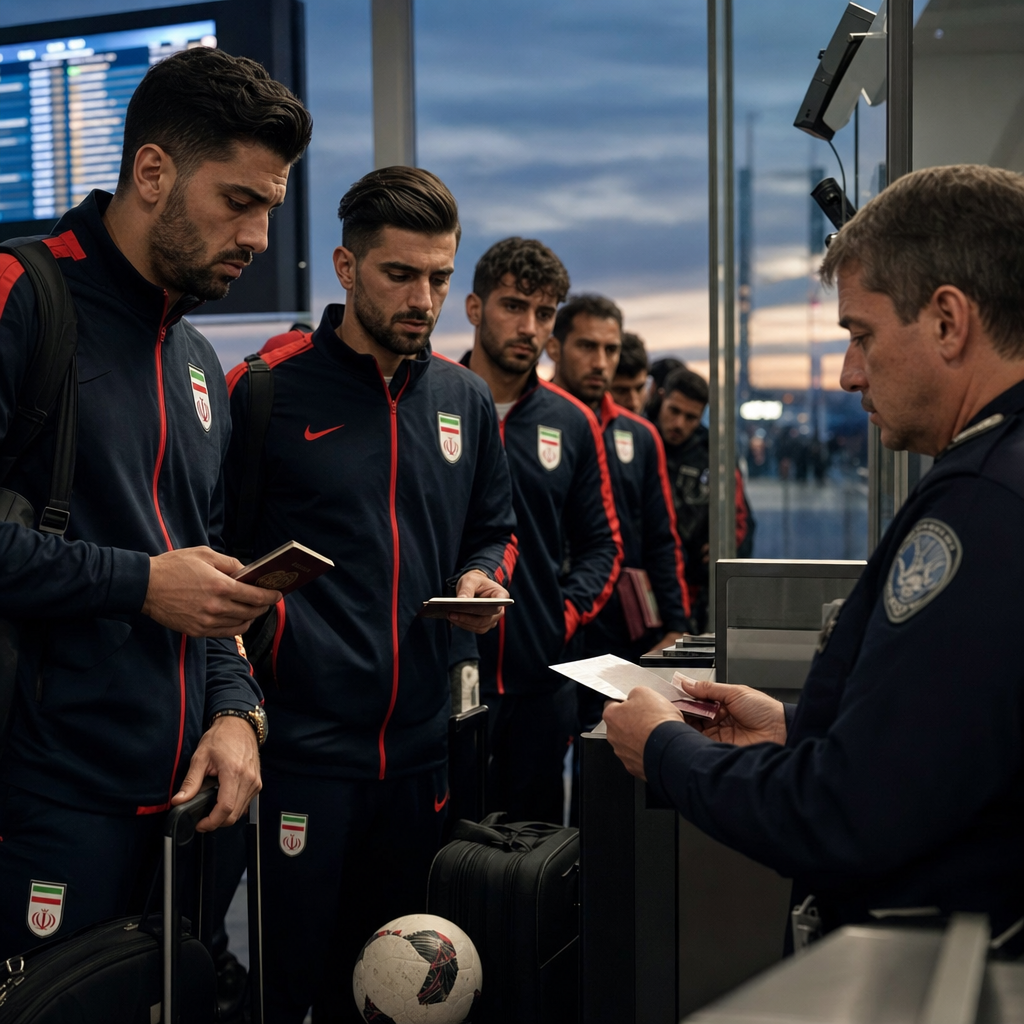
Iran's football team risks a diplomatic crisis over US visa issues for the World Cup.
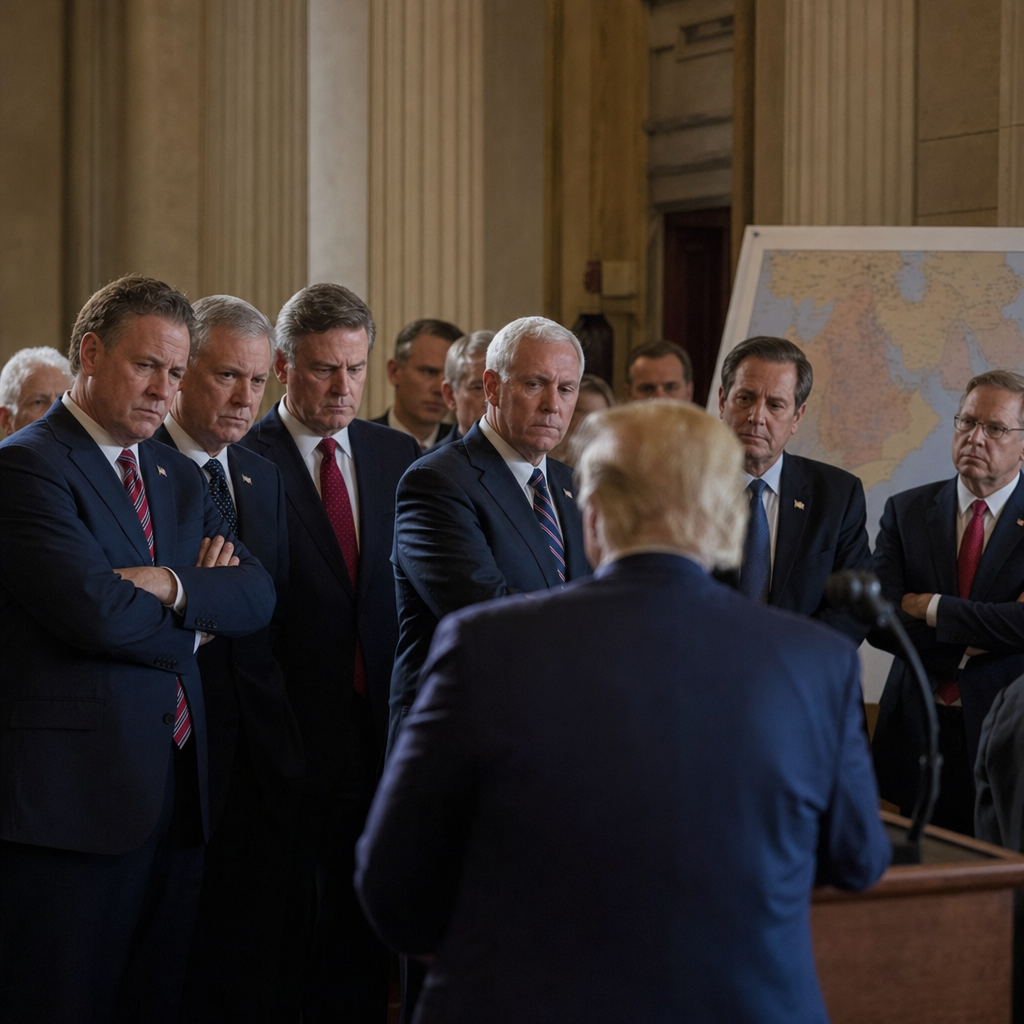
Republican defections in Congress signal rising dissent over Trump's Iran strategy.
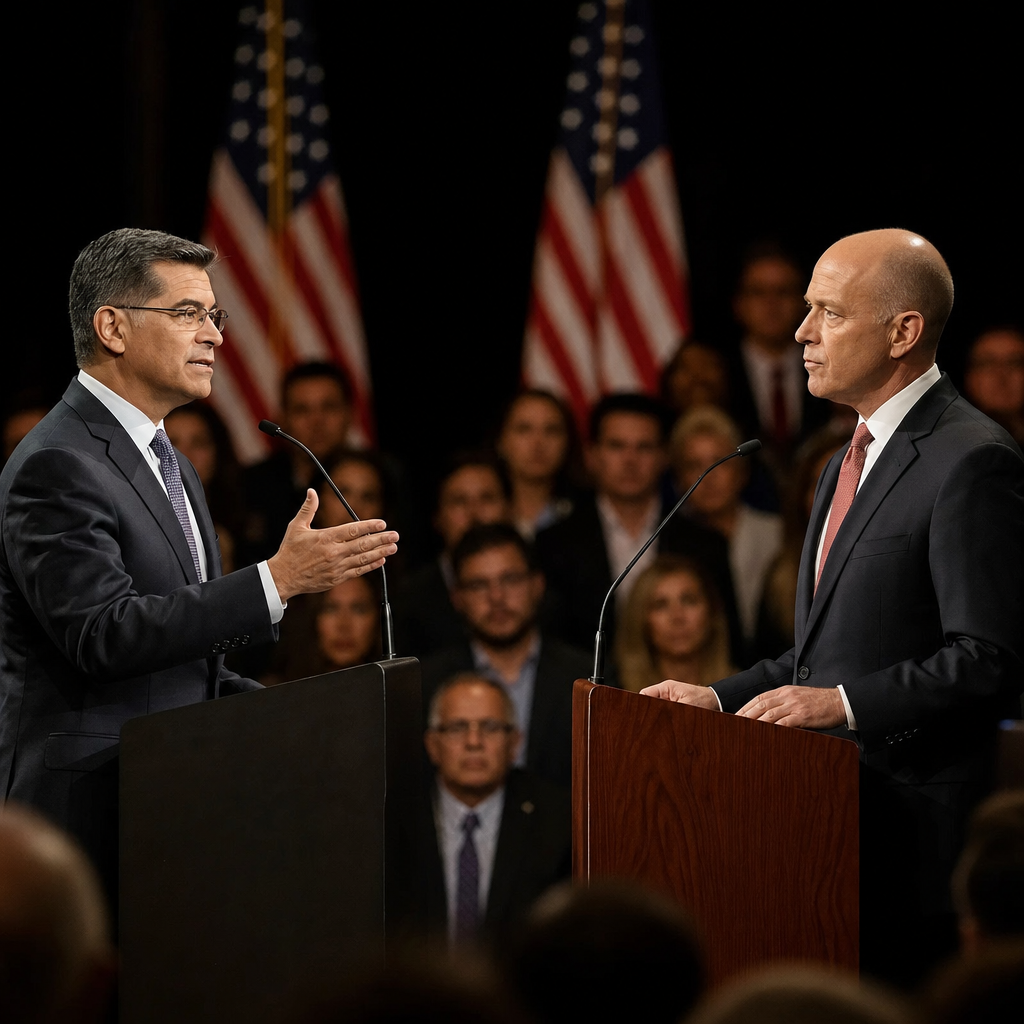
Democrat Xavier Becerra and Republican Steve Hilton will face off in November.