Yogi Adityanath's Infrastructure Strategy in
Yogi pairs infrastructure with identity politics in UP.
Model Diplomat3 min readAsia

Yogi Uses Saharanpur Projects to Reframe UP Politics
With Rs 2,131 crore in new projects, Yogi Adityanath is pairing infrastructure with identity politics to claim Uttar Pradesh has moved beyond clerical influence and disorder.
Yogi Adityanath is trying to lock in a simple power claim: his government now defines western Uttar Pradesh, not its old Muslim clerical institutions or riot-era politics. In Saharanpur, the chief minister said the state had moved away from the “politics of fatwas” toward development, while launching 325 projects worth Rs 2,131 crore, according to Hindustan Times. The message was not just about roads and drains. It was about who gets to narrate the region’s past — and who gets credit for its future.
Development as political overwrite
The scale matters because it is not symbolic small change. Adityanath said the package covered completed works and new foundation stones across Saharanpur district, while projecting the area as a hub for expressways, an airport, a sports college, religious redevelopment and logistics infrastructure, The Times of India reported. That is the core of the BJP’s western UP playbook: tie physical infrastructure to a moral-political reset.
The beneficiaries are obvious. The state government gets to claim credit for visible assets that can be opened, photographed and repeated in campaign speeches. Local BJP leaders get a record of deliverables. Businesses and commuters benefit from the Delhi-Dehradun corridor, the Ganga Expressway and the industrial-logistics hub the chief minister says is coming to Saharanpur, The Times of India said. This is how the BJP converts infrastructure into a governance brand, especially in a region that has long swung between security concerns and development deficits. See also
India.
The target is not just the opposition
The sharper political move is the target. By invoking Deoband and “fatwas,” Adityanath is not merely attacking the Opposition; he is delegitimizing a past order in which clerical authority and communal mobilisation shaped public life. Devdiscourse and
The Times of India both quoted him describing Saharanpur as once marked by riots, migration and “fatwa” politics, contrasted with today’s “connectivity” and industrial growth.
That framing serves two purposes. First, it reassures BJP supporters that the party still speaks the language of law-and-order and majoritarian nationalism. Second, it pushes Muslim religious authority into the role of a residual problem rather than a political constituency. The addition of an ATS centre in the district, reported by TOI, reinforces that security and development are being fused into one governing narrative. The clear loser is the opposition, especially parties that once relied on western UP’s fragile communal balance to compete.
What to watch next
The next test is execution, not rhetoric. If these projects produce jobs, faster travel and land-value gains before the 2027 Uttar Pradesh election cycle heats up, Adityanath’s “development versus fatwas” line will harden into an electoral asset. If delivery slips, the speech will still have served its purpose: it will have shifted the debate from social polarisation to state performance — exactly where the BJP wants it.
Discover more
India
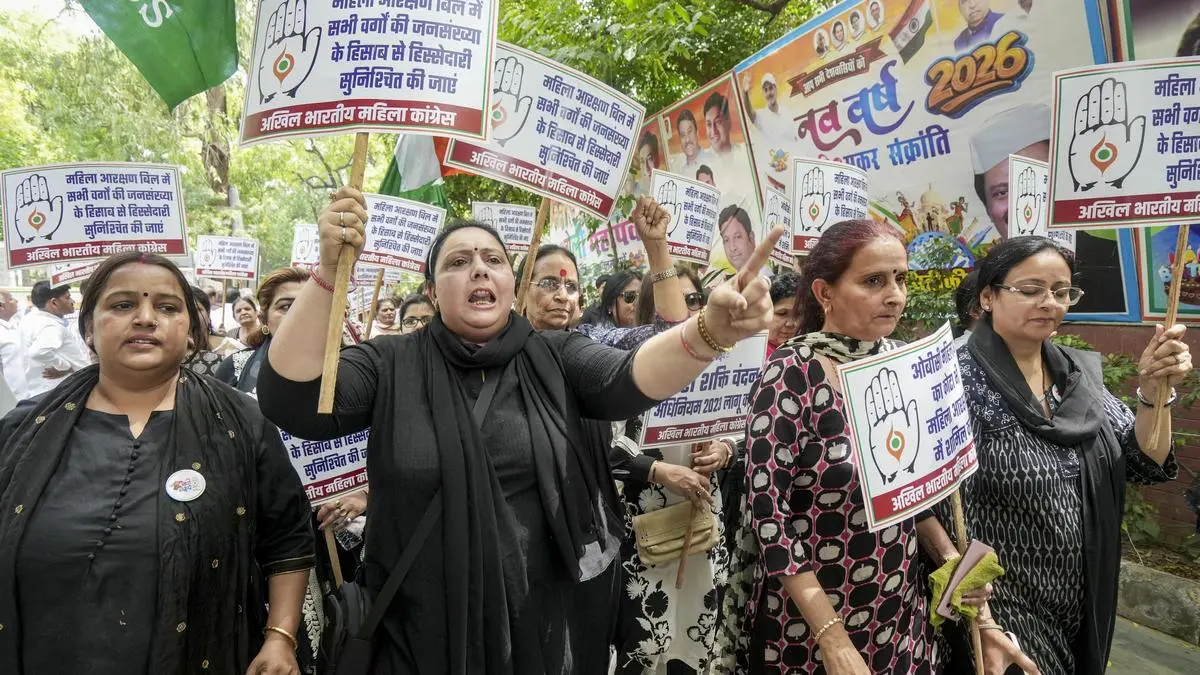
BJP's Misunderstanding of Women's Quota Needs
The BJP's linkage of the Women Reservation Bill to delimitation risks delaying women's empowerment in India, misreading their political needs.
India
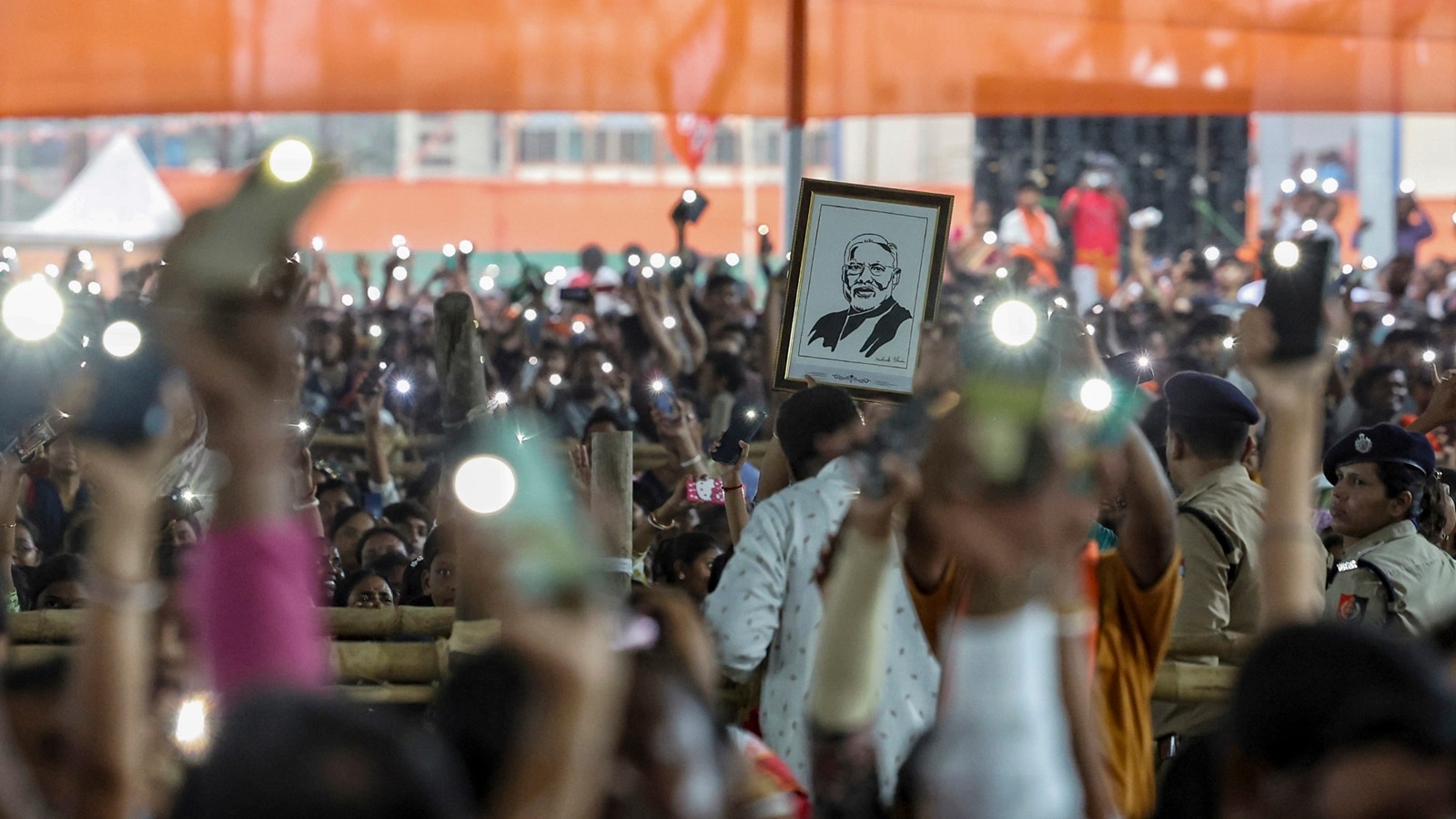
Modi's Women’s Convention in Varanasi
PM Modi's upcoming women’s convention in Varanasi aims to boost support ahead of West Bengal elections, highlighting women's empowerment initiatives.
India
Rajnath Singh's Durga Squad for 2026 Polls
Rajnath Singh's 'Durga Squad' initiative targets women's safety ahead of Assembly Elections 2026, contrasting with Rahul Gandhi's southern campaign.
Global Politics
Iran Releases $12B Frozen Assets Deal
Iran secures $12 billion in frozen assets as US lifts oil sanctions under new deal.