West Bengal Vote: A Shift in India's Democacy
Exploring the implications of BJP's victory in West Bengal
Model Diplomat3 min readAsia
West Bengal’s Vote Turns India’s Democracy Debate Sharper
Frontline says democracy has already failed; the harder question is whether the BJP has simply learned to win by controlling both the campaign and the electoral rules.
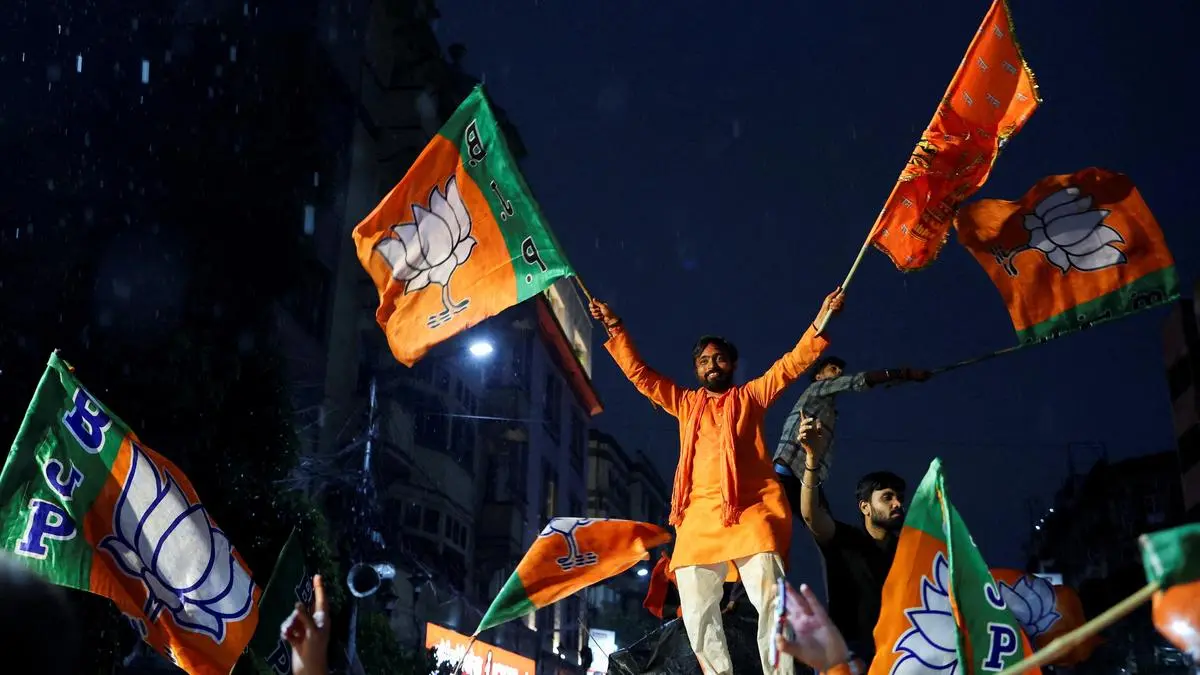
The immediate political fact is simple: the BJP’s sweep in West Bengal has become the new battleground for judging India’s democratic health. In Frontline, the argument is blunt — that democracy is effectively over after the May 4 results and the voter deletions that preceded them. A more measured reading still points in the same direction: the BJP now appears to hold leverage not just through votes, but through the machinery that shapes who gets to vote.
Why this result matters
The scale of the victory is what gives the controversy force. The Hindu reports that the BJP won 206 seats in West Bengal with 45.84% of the vote, while the Trinamool Congress fell to 81 seats and 40.8%. That is not a marginal shift. It is a restructuring of the state’s power map, and it weakens the old assumption that Mamata Banerjee’s machinery could keep West Bengal sealed off from the BJP’s national rise.
The deeper issue is where the real contest was fought. Frontline argues that constituency margins were often smaller than the number of voters deleted from rolls. Rediff goes further, saying roughly 27 lakh voters were marked ineligible after the Special Intensive Revision process, with about 34 lakh appeals filed. That is the core political shift: the fight moved upstream, from persuasion on polling day to control over the rolls before polling day.
For the BJP, that is a strategic advantage. It can combine organizational discipline, state power, and identity polarization with procedural choke points that opposition parties struggle to contest in real time. For the Trinamool Congress, and potentially for other regional parties, the loss is not just seats. It is the erosion of confidence that their core voters will even enter the booth on equal terms. This belongs on our India tracker because it is now less a Bengal story than a national template.
The opposition’s problem is structural
There are two competing explanations for the same result. One, reflected in NDTV, is that Bengal saw a genuine realignment: turnout reportedly crossed 92%, and around 15% of voters switched sides, producing an 8% swing and a “critical election” in which anti-incumbency and BJP consolidation overwhelmed the Trinamool. The other, in Frontline and Rediff, is that the contest was tilted by roll deletions and institutional advantage.
Those accounts are not mutually exclusive. The BJP can simultaneously benefit from real voter movement and from a field that is less open than it should be. That is why the argument matters beyond Bengal. If opposition parties have to fight polarization, welfare competition, institutional pressure, and voter-roll disputes all at once, then the next election is being decided long before campaign season.
For the Congress and the regional parties, the lesson is harsh: unity after the fact is too late. If the rules of participation are being contested, they need a legal and organizational response before the next roll revision, not after the results.
What to watch next
The next decisive test is not rhetorical. It is whether the Election Commission, appellate tribunals, and courts treat the SIR deletions as a routine administrative issue or as a democratic legitimacy problem. Watch the appeal pipeline around the deleted voters, and watch whether opposition parties coordinate early enough to force the issue onto the national agenda. If they do not, West Bengal may become the model for how Indian elections are won before voters ever reach the booth.
Discover more
India
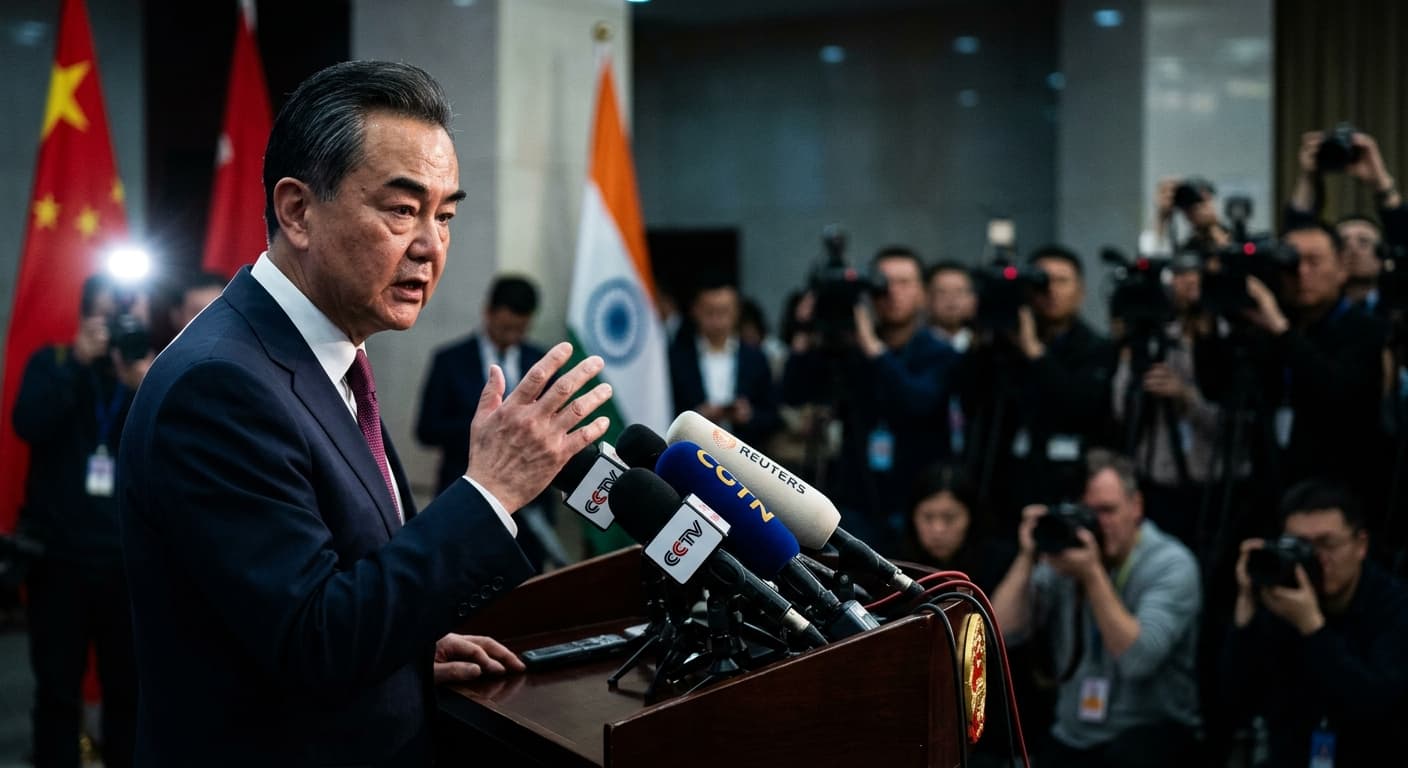
Wang Yi Urges India-China Dialogue Restart
China's Wang Yi emphasizes the need to resume stalled India-China dialogue mechanisms.

India
Iran's Control Over Hormuz Amid US Talks
Iran's Ghalibaf claims control over Hormuz as US lifts oil sanctions temporarily.
India
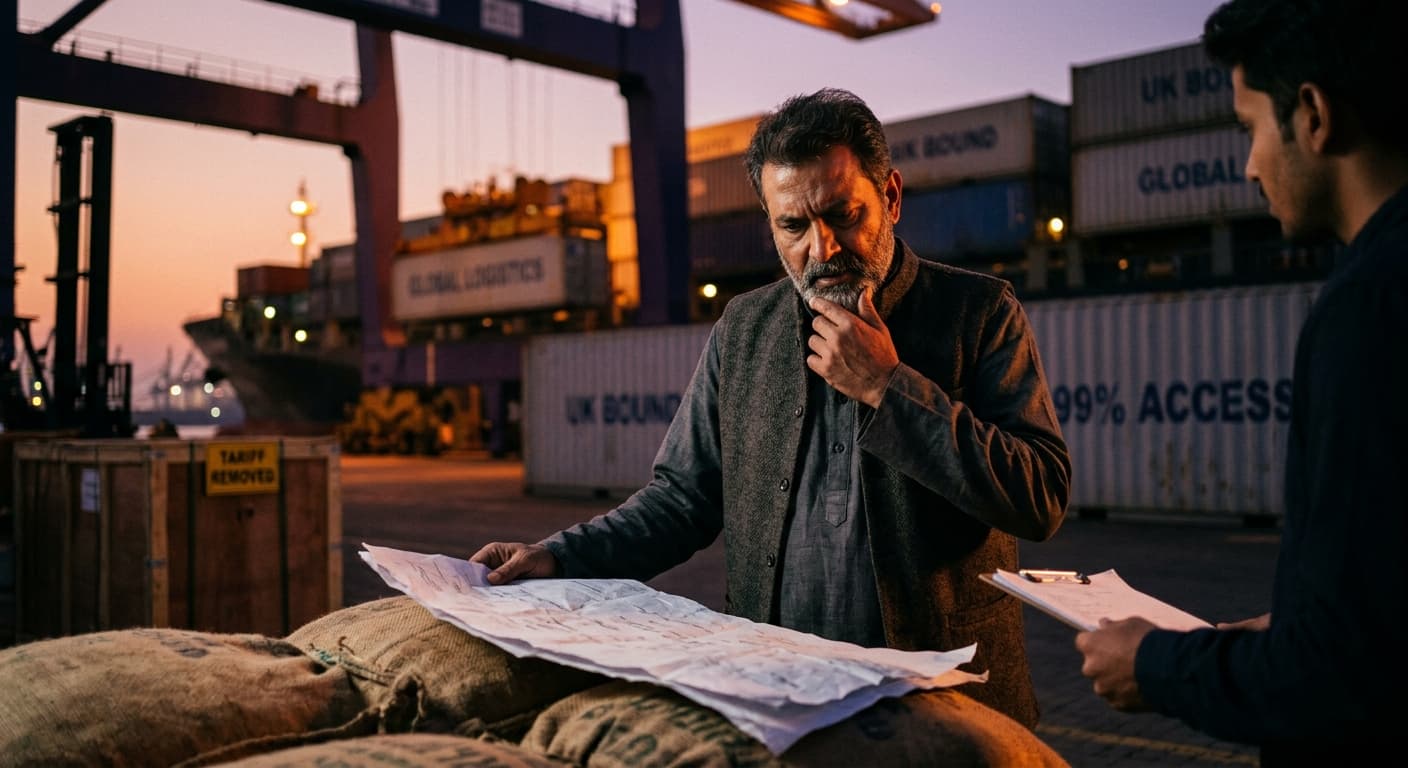
India-UK Trade Pact Removes Tariffs on 99%
India's trade pact with the UK eliminates tariffs on 99% of exports, but execution risks loom.
Global Politics
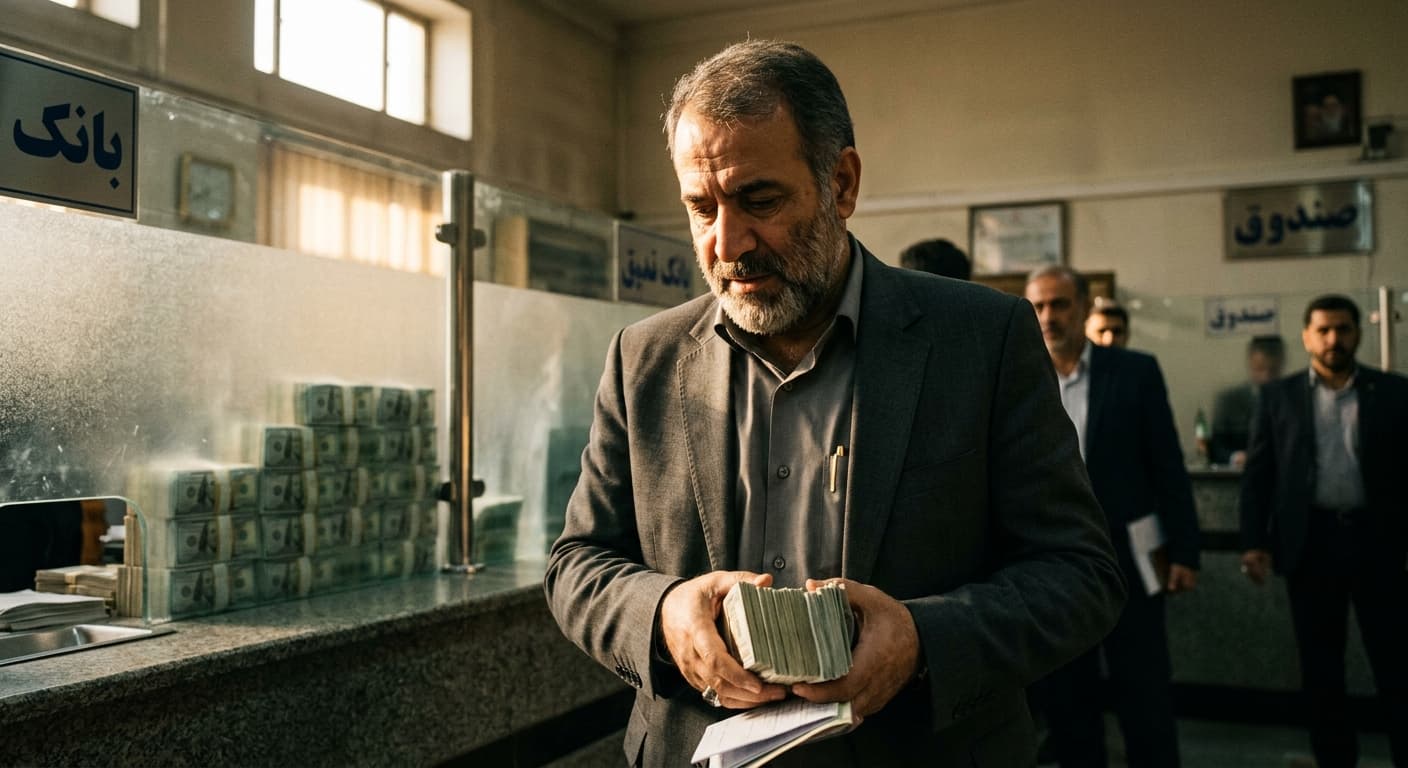
Iran Releases $12B Frozen Assets Deal
Iran secures $12 billion in frozen assets as US lifts oil sanctions under new deal.