Venezuela's Chavista Successors Fortify Reg
Chavista regime focuses on control, not democracy.
Model Diplomat4 min readamericas
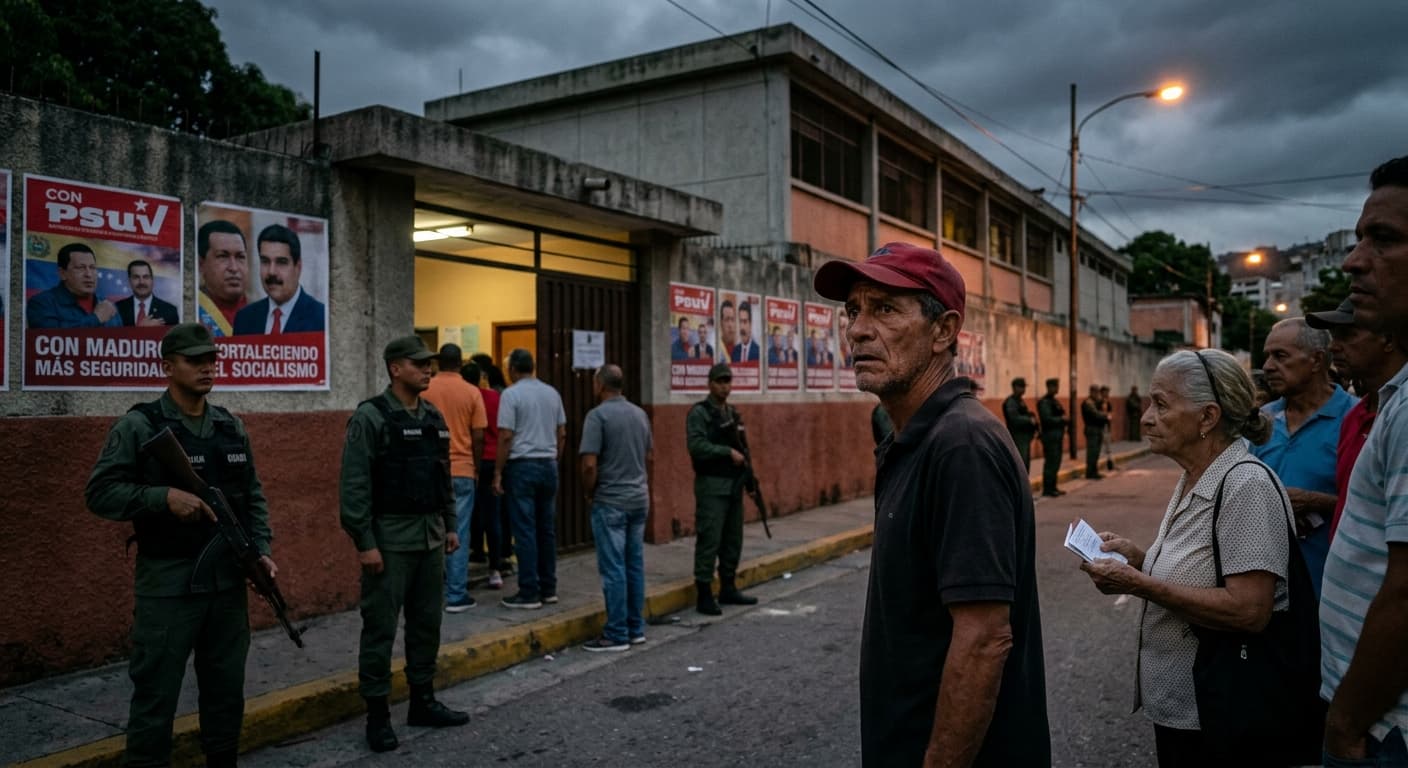
Venezuela's Chavista Successors Aren't Prepping Elections — They're Fortifying the Regime
Six months after Maduro's capture, election talk is back. But the Rodríguez siblings are building electoral infrastructure that preserves Chavista control — not a democratic transition.
Venezuela's political class is buzzing about elections again. Political prisoners are walking free. María Corina Machado has announced she'll return to the country within weeks to prepare for "a new and enormous electoral victory." Opposition networks dismantled after the July 2024 steal are reassembling in towns like Guama and Monay. The old reflexes of Venezuelan electoral politics, as Caracas Chronicles puts it, "are kindling again after the long, hard night of brutal repression."
But the machinery being assembled isn't designed to produce a free vote. It's designed to legitimize continuity.
Delcy Rodríguez — installed as interim president with Washington's blessing after U.S. forces seized Nicolás Maduro on January 3 — is not preparing to hand over power. She's consolidating it under a new brand. The National Assembly, still dominated by Maduro loyalists and now led by her brother Jorge Rodríguez, has passed an amnesty law and an oil-sector liberalization bill. The U.S. has lifted sanctions on Delcy personally. President Trump calls her "a terrific person" and "very respected." Meanwhile, the two institutions that matter most for any credible election — the National Electoral Council (CNE) and the Supreme Court (TSJ) — remain in the hands of the same structures that validated Maduro's fraudulent 2024 victory, as El País notes.
This is the core tension: Washington's three-phase roadmap — stabilization, reconstruction, transition — has delivered phase one and started phase two. But there is no date, no reform plan, and no negotiation table for phase three. Secretary of State Marco Rubio told Fox News that "ultimately, there will have to be free and fair elections," but added: "we have to be patient, but we also can't be complacent," according to the BBC. When Jorge Rodríguez was asked directly about a presidential vote, he told Newsmax there would be "no election in this immediate period," as
Al Jazeera reported.
The Rodríguez strategy is legible: release enough prisoners to satisfy Washington's minimum demands, accept U.S. oversight of oil sales, and wait for American attention to drift. Former U.S. Ambassador James Story told NPR that Delcy is doing "just enough to make it look as if they're complying," betting that the 2026 U.S. midterms will weaken Trump's leverage.
María Corina Machado's impossible position
The opposition's 2024 candidate Edmundo González Urrutia — who tallies suggest won roughly 67% of the vote — has been effectively retired from the narrative. The implicit assumption, as Caracas Chronicles reports, is that "Edmundo González Urrutia already did his historical role." New elections would need a new candidate, a new CNE, and new primaries.
Machado remains Venezuela's most popular politician, with a 52% approval rating. One poll shows she would defeat Delcy Rodríguez 67% to 25% in a free contest, as the Council on Foreign Relations notes. But her disqualification from holding office remains in force. Interior Minister Diosdado Cabello has warned he has "a surprise" for her upon return. The amnesty law, meanwhile, carves out exceptions for those "accused of violent crimes" — precisely the charge the regime has used to bar Machado since 2014.
Her announcement that she'll return and contest is a strategic pivot. After months of insisting "Venezuelans already voted," she's now preparing to compete on the regime's terrain — without knowing the date, the rules, or the electoral authority, as El País reports. Her party, Vente Venezuela, lacks the human capital to cover the country's 30,000 polling stations alone and would need coalition partners.
What to watch
The Chatham House warned in April that "postponing elections for too long risks consolidating the still-present repressive apparatus." The regime's window for running out the clock is real. Three indicators will signal whether a genuine opening is underway or a managed succession is being dressed as one:
- CNE and TSJ reform. If the Rodríguez government announces new electoral authorities without opposition input — or repackages existing loyalists under new titles — the fix is in.
- Machado's disqualification. Lifting it would be the single clearest signal of a bona fide process. The amnesty law, as written, won't do it.
- Opposition primaries. Caracas Chronicles' Alejandro Reverón argues they're essential to prevent the regime from promoting multiple "opposition" candidacies to split the vote — a tactic Chavismo has used before.
Until one of these moves, the election chatter is noise. The Rodríguez siblings are building a managed transition that looks like democracy without being one. Washington appears willing to accept that — for now.
Discover more
US Politics
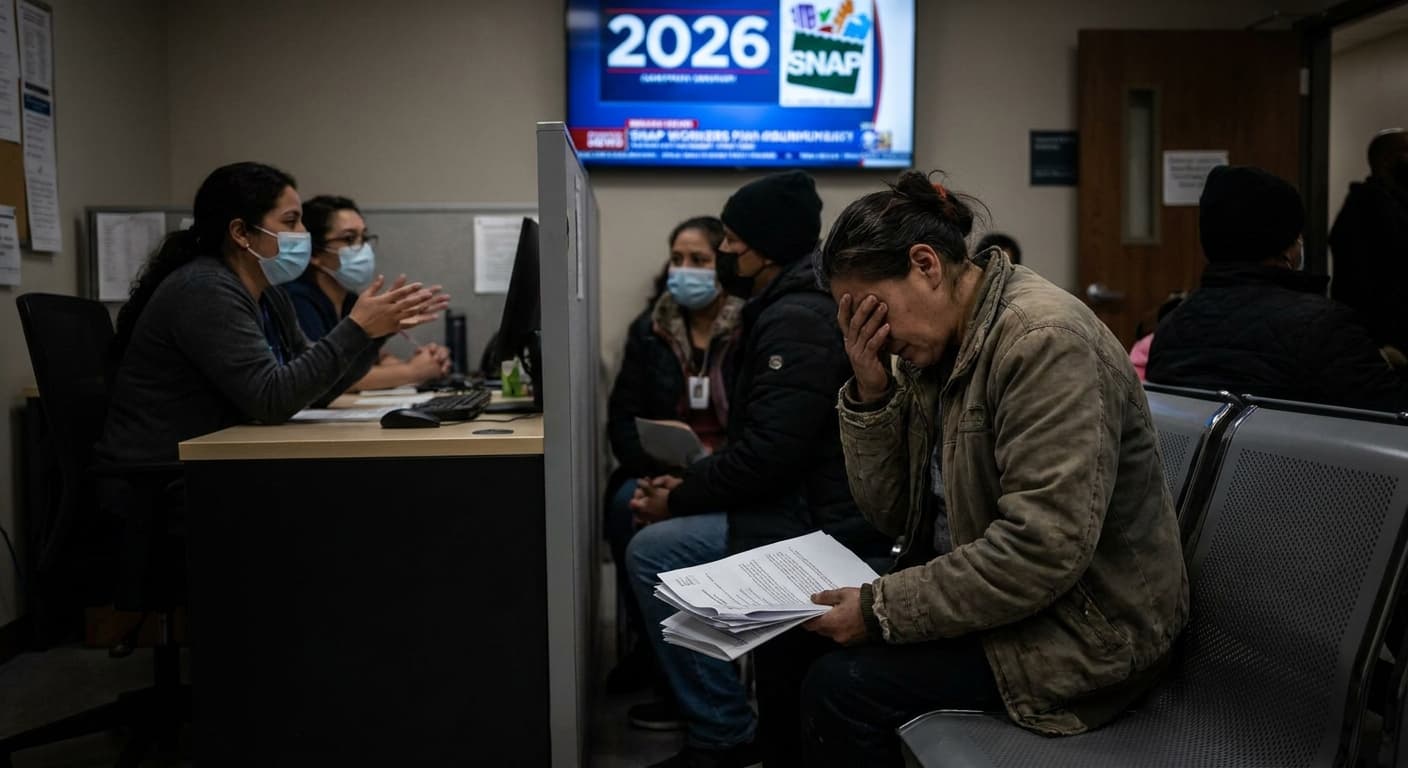
SNAP Food Assistance Faces Legal Challenges
In 2026, SNAP faces stricter eligibility rules and mounting legal challenges, threatening food assistance for the millions of Americans who rely on the program.
US Politics
Congress Targets AI Chatbot Access for Terror
The House passed the Generative AI Terrorism Risk Assessment Act, focusing on AI's role in terrorism and potential surveillance implications.
Global Politics
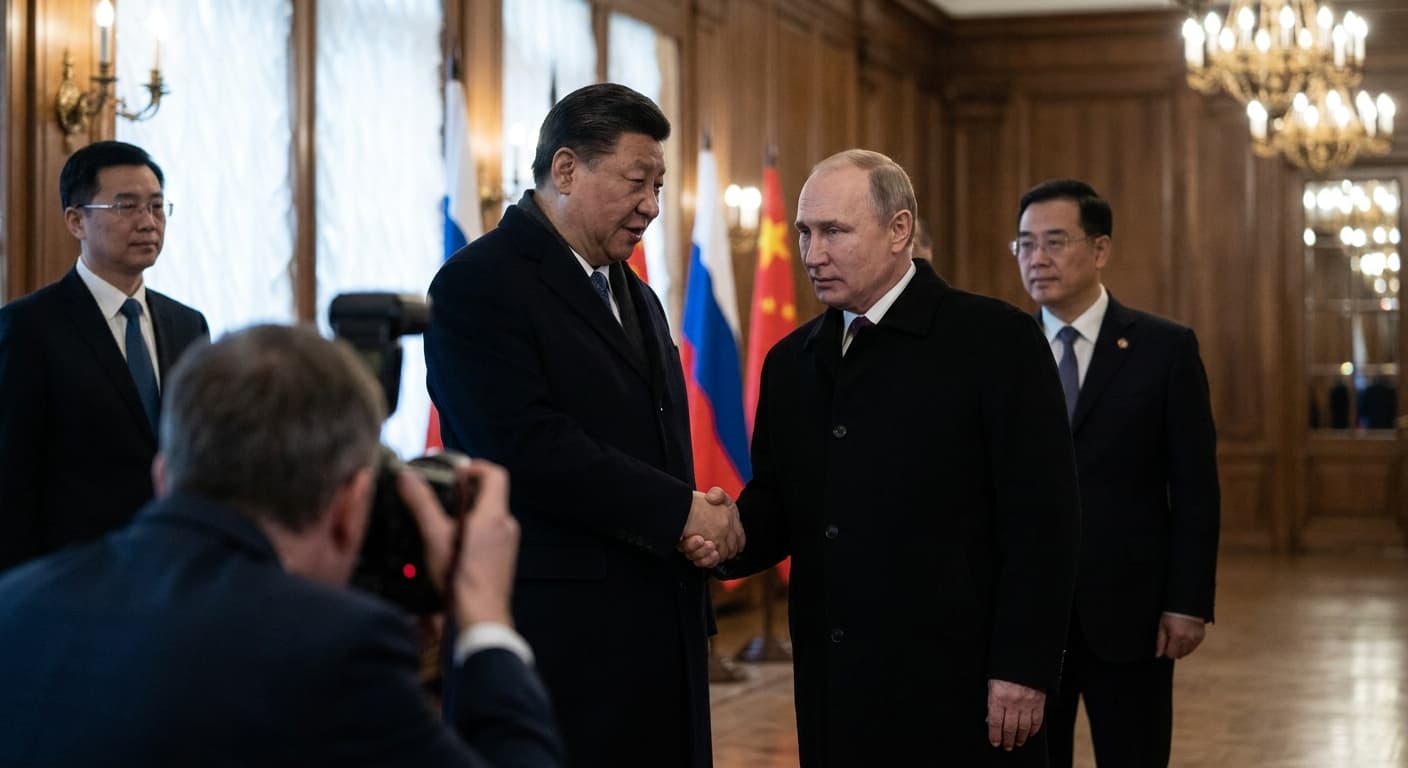
Xi Jinping Calls China-Russia Ties 'Precious'
Xi Jinping's description of China-Russia ties as 'precious' reflects a strategic imbalance, with Beijing dictating terms in the partnership.

Economics
Fed's Amex AML order puts correspondent banking on notice
Federal Reserve's Amex AML order requires board-level controls and a 90-day plan; OCC fined the bank $350 million over enterprise-wide deficiencies.