US Treasury's Economic Pain Strategy on Iran
US signals readiness to impose sanctions on Iran despite costs.
Model Diplomat2 min readUnited States

US Treasury Signals Willingness to Bear 'Economic Pain' to Pressure Iran
US Treasury Secretary signals readiness to impose sanctions on Iran, accepting 'a small bit of economic pain' to curb Tehran's activities.
The US Treasury Secretary recently stated that Western powers, notably the United States, view imposing economic pressure on Iran as worth the short-term costs it might bring. This marks a clear reaffirmation of Washington’s commitment to containing Iran despite potential friction within global markets or among allies affected by sanctions.
Why This Matters
The comment underscores how economic tools remain central to US strategy on Iran amid heightened geopolitical tensions. The “small bit of economic pain” likely refers to secondary effects felt by international businesses and even US allies whose trade is disrupted by sanctions designed to deter Iran’s nuclear ambitions and regional influence.
For global markets, this readiness to accept economic discomfort signals that the US may prioritize political and security objectives over near-term financial stability in sectors tied to Iran, such as oil and industrial goods. It also highlights the delicate balancing act for Western capitals aiming to maintain coalition unity against Tehran while managing energy prices and inflation risks domestically.
Historically, economic sanctions on Iran have fluctuated between strict enforcement and partial relaxation, depending on diplomatic efforts like the 2015 nuclear deal, which the US withdrew from in 2018 under President Trump. This renewed tough stance by the current administration suggests that re-engagement on diplomatic terms is uncertain, keeping pressure high.
What to Watch Next
Market watchers should monitor oil price fluctuations, as disruptions or embargoes on Iranian crude can ripple through global energy supplies. Likewise, watch diplomatic channels in Europe and the Middle East—key US partners may push back if increased sanctions affect their economic interests.
The Iranian response is critical. Tehran could escalate regional proxy conflicts or accelerate uranium enrichment if it perceives economic pressure as intolerable, risking further instability. Conversely, if this calibrated economic pressure leads to negotiations, it could reset a fraught status quo.
This development reaffirms a core theme in Global Politics: economic policy remains a frontline instrument of statecraft, with significant repercussions for trade, investment, and international security.
Discover more
Elections & Campaigns
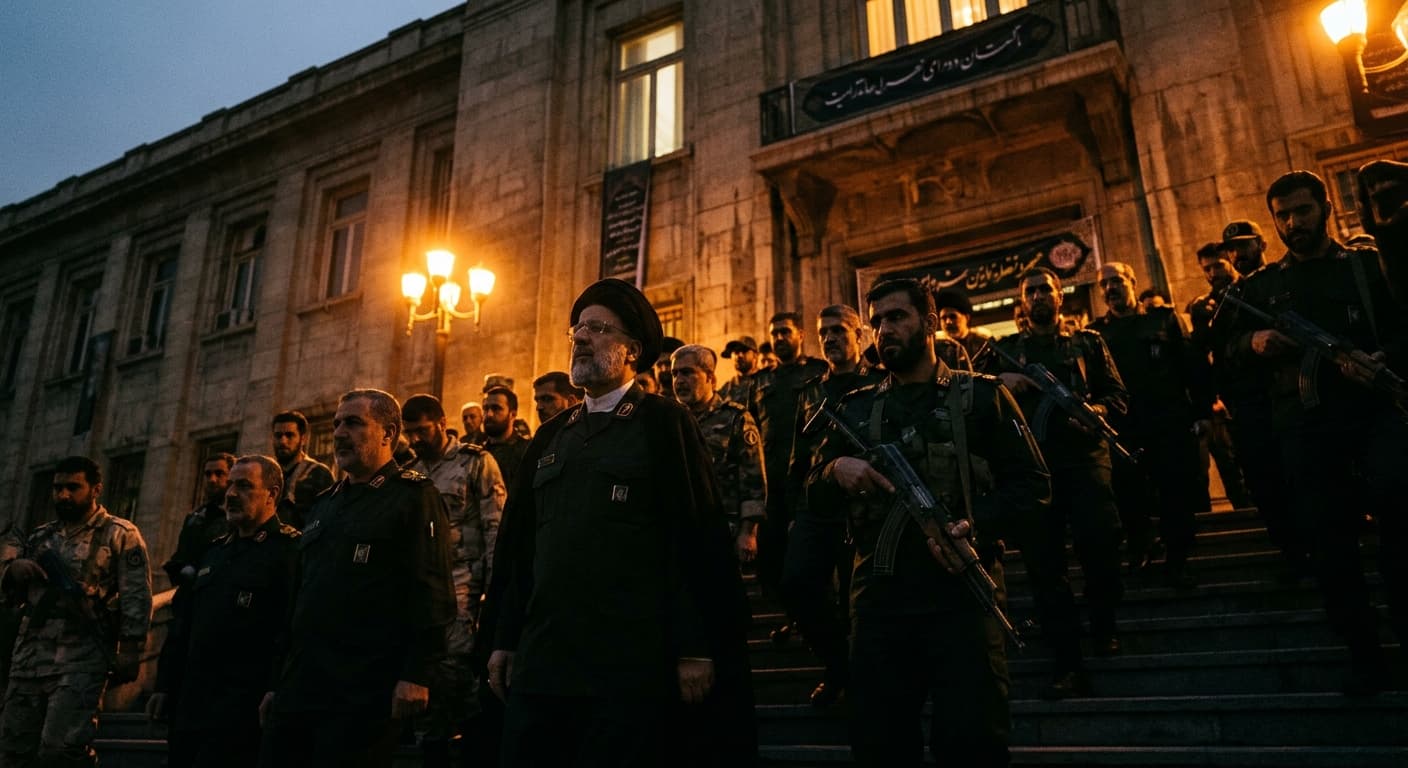
Iran's invisible leader hands power to IRGC
Mojtaba Khamenei's five-month public absence creates a power vacuum that the IRGC exploits to undermine Iran's US ceasefire deal and consolidate control over the economy.

Economics
Weaker Yen Forces BOJ Rate Hike to 1.25%
As the yen nears 165 per dollar, the BOJ is expected to hike rates to 1.25% in September, influenced by U.S. economic pressures.
Economics
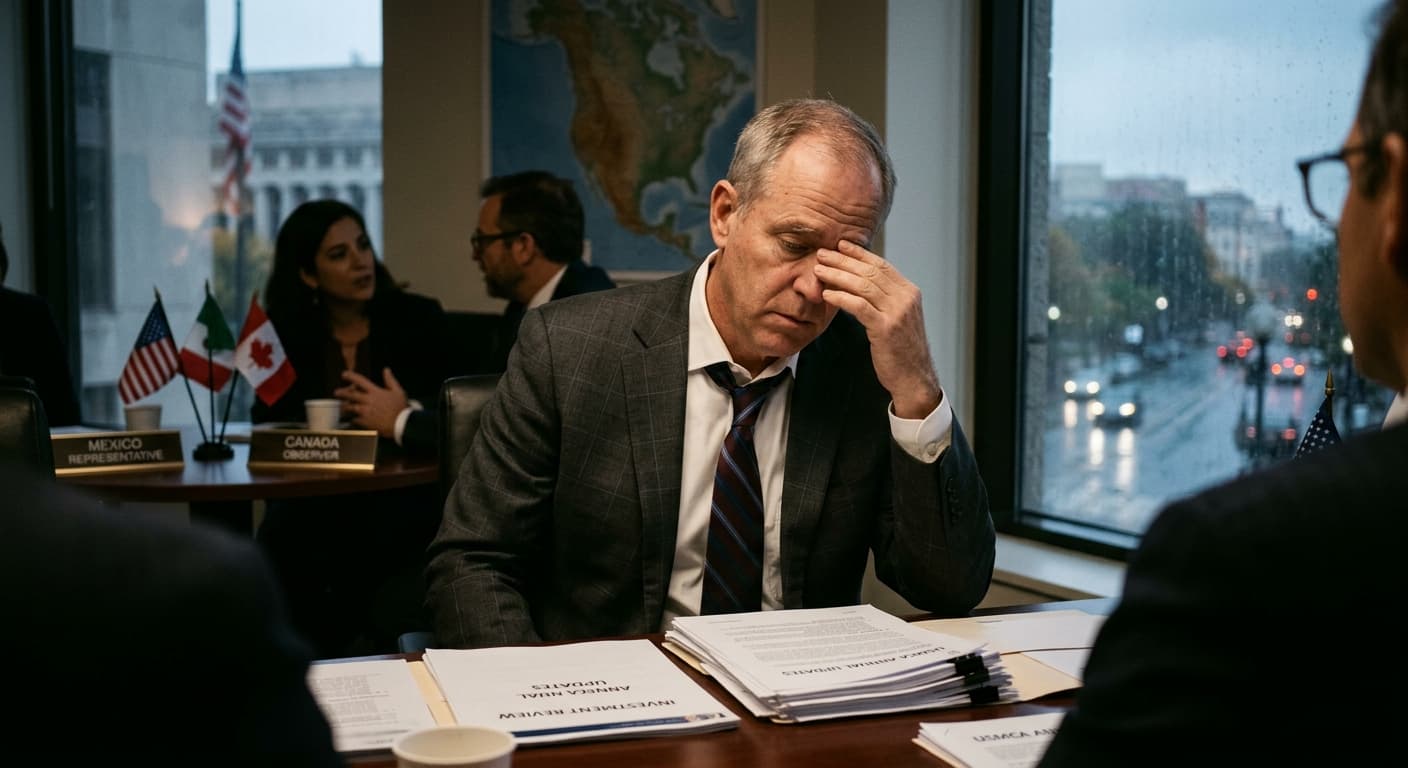
USMCA Annual Reviews: Investment Uncertainty
The USMCA's annual reviews keep trade rules intact but introduce significant uncertainty for North American investment, impacting economic growth.
Global
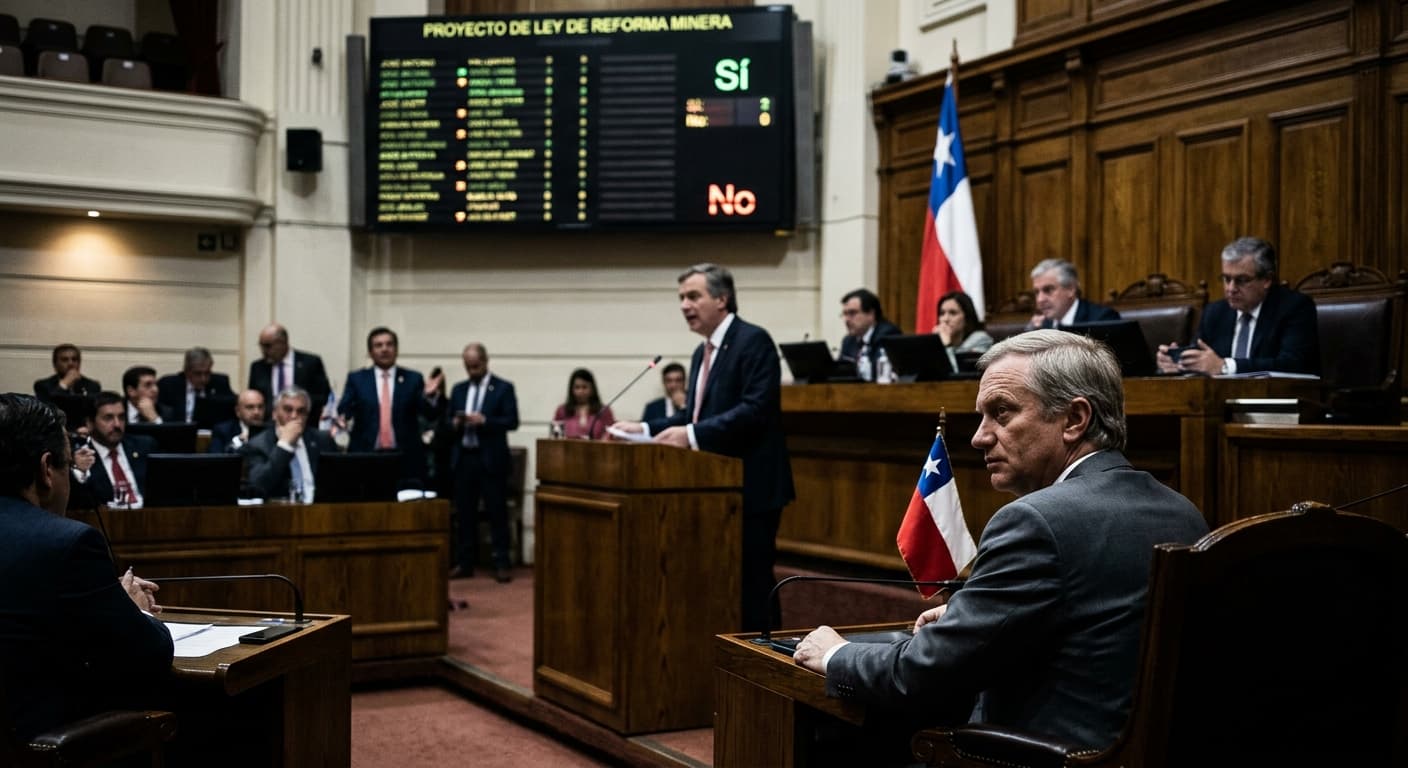
Kast's Mining Reform Bets Chile's $104bn
Kast's National Reconstruction Bill proposes tax cuts and investment shields to revive Chile's $104 billion mining pipeline, but Senate support is uncertain.