US Pressures China on Hormuz Crisis Ahead of
Washington seeks leverage over Xi amid shipping crisis
Model Diplomat2 min readAsia
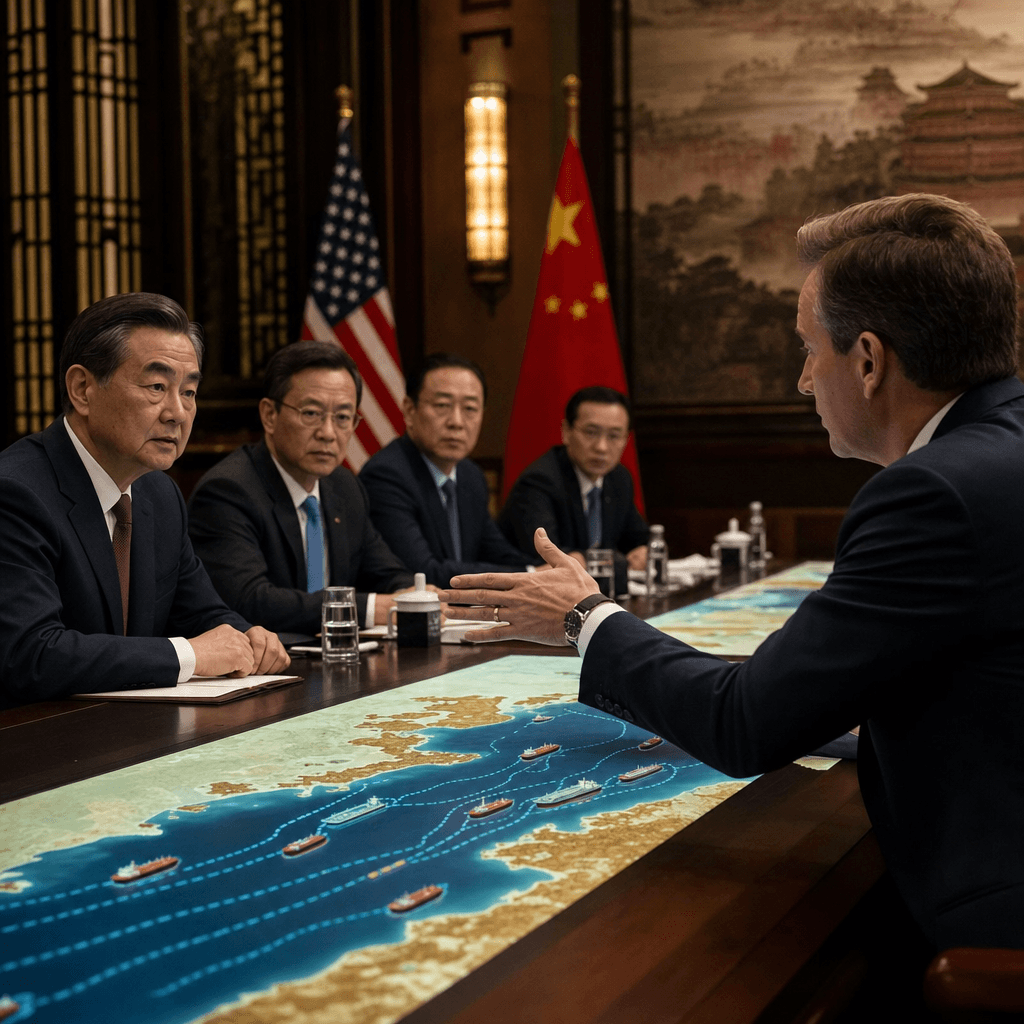
US Presses China on Hormuz Before Beijing Xi Summit
Washington is trying to turn Iran’s shipping crisis into leverage over Xi, but Beijing has little incentive to own a conflict that threatens its energy imports.
Leverage, not diplomacy
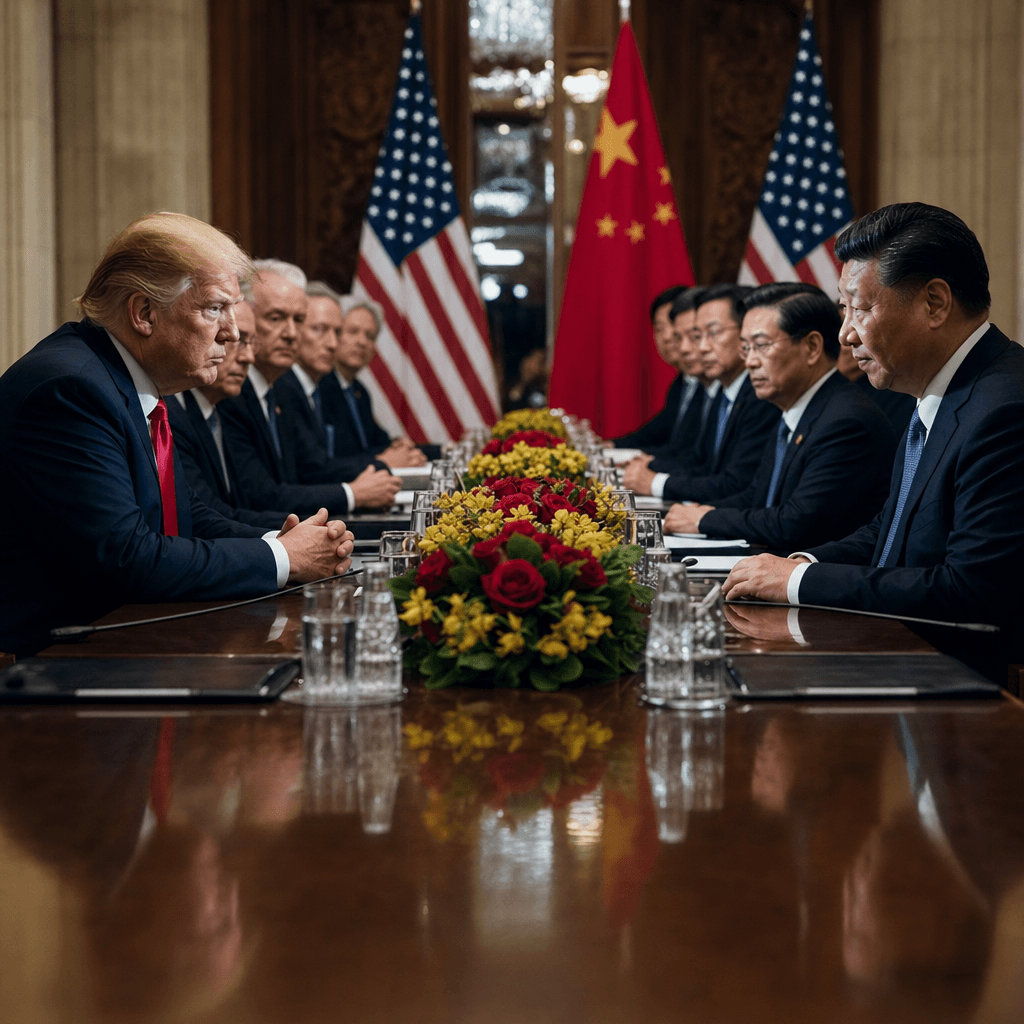
The White House is pressing China to use its channels to Iran to reopen the Strait of Hormuz just as U.S.-China preparations intensify for a Trump-Xi meeting in Beijing. That is not a side issue: the strait carries about one-fifth of the world’s oil, and China is the biggest buyer exposed to any disruption. Washington’s message is simple — help stabilize the lane, or own the economic fallout. China has not publicly committed, and prior U.S. appeals have gone unanswered. AP News,
Reuters
Who benefits if Beijing leans in
If Beijing intervenes, it gains diplomatic credit in the Gulf, especially after Reuters reported Chinese officials were already in talks that could help tee up the summit. China also shields its own energy supply: Reuters said it imported around 12 million barrels of oil a day in the first two months of 2026, and another report put China’s exposure to Gulf crude at roughly 45% of imports. That gives Xi a narrow opening — present China as a responsible power without sending ships or troops into a U.S.-led maritime fight. But there is a ceiling to how far Beijing will go: the U.N. Security Council has already been a battleground, with Russia and China vetoing a Bahrain-backed Hormuz resolution last month, showing they do not want to hand Washington a legal pretext for coercive action. Reuters,
Reuters,
AP News
What this means for the summit
This is less about Hormuz itself than about bargaining power before Beijing. Trump is using a Middle East security crisis to pressure Xi on trade, maritime security, and wider regional diplomacy; Xi can answer by offering just enough help to keep the summit alive while avoiding any binding role in policing Iran. That asymmetry matters for US Politics: Washington wants a Chinese action it can cite, while Beijing wants the summit benefits without taking ownership of the problem. The immediate watchpoint is whether the Beijing meeting stays on the calendar and whether China issues any public statement linking Hormuz to restraint on Iran. Reuters said preparations for the summit are still moving, even as U.S. officials privately weigh a delay.
Reuters,
Reuters
Discover more
Global
Xi's September White House Visit Tests Truce
Trump to host Xi on September 24, 2026, to discuss a new phase in US-China trade relations amid ongoing tensions over Taiwan and technology.
Economics
Beijing Summit's Real Winner Revealed
The Trump-Xi summit reveals contrasting U.S. and Chinese narratives on stability and trade, indicating who holds the leverage.
International Relations
Taiwan Arms Pause Shows Trump’s Leverage
Trump's pause on Taiwan arms sales reveals how he wields leverage over China, tying weapons deliveries to broader bargaining across US-China and Iran policy.
International Relations
Trump and Xi's Summit
Trump and Xi's summit may project cooperation, but a genuine US-China G2 remains unlikely as trade-war tensions and rivalry keep the two powers far apart.