US Naval Control and the Strait of Hormuz
Analyzing U.S. efforts to manage shipping through Hormuz.
Model Diplomat3 min readMiddle East
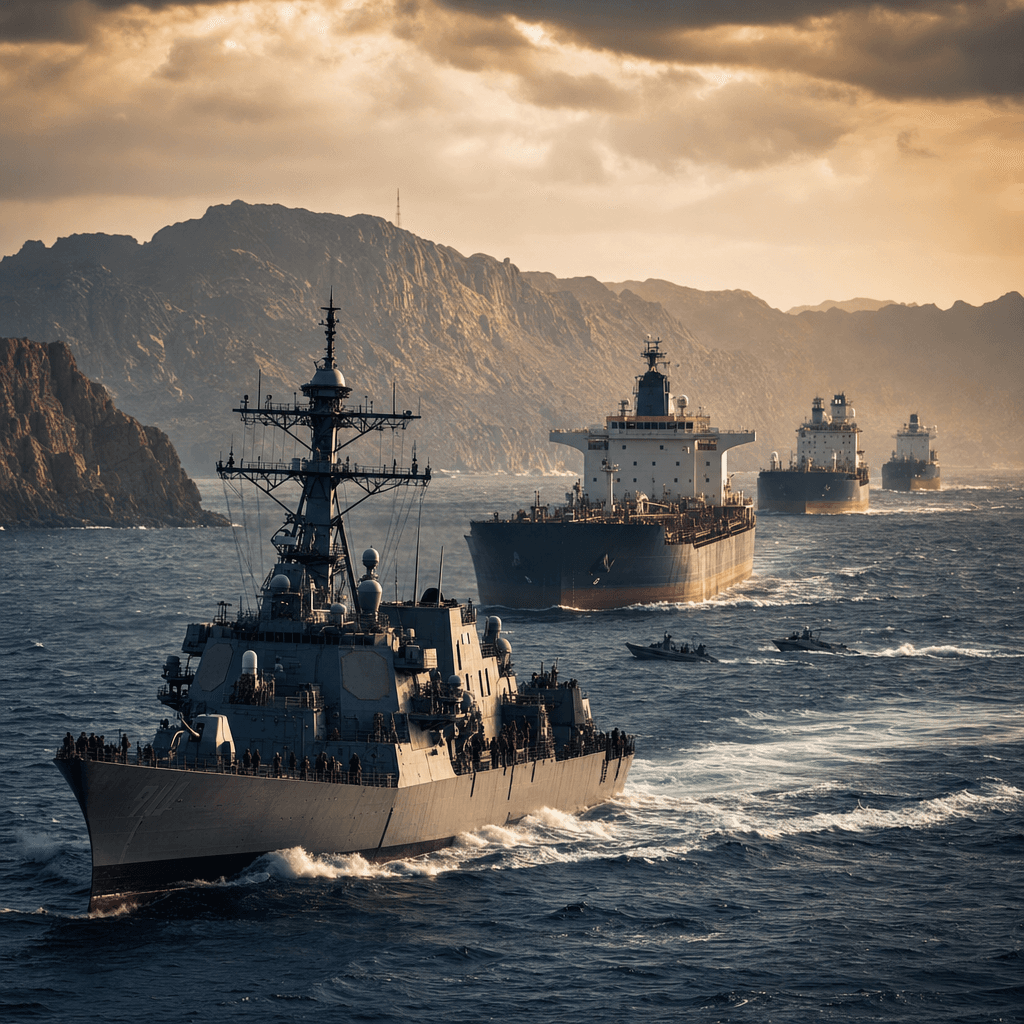
US Hormuz Reroute Order Shows Who Still Controls Risk
Washington can push traffic back toward Hormuz, but Tehran and marine insurers still decide whether commerce actually moves.
The U.S. is using naval control to force a new traffic pattern
Washington is trying to turn naval superiority into commercial leverage: a U.S.-led task force told ships to reroute on the first day of a new push to reopen the Strait of Hormuz, after weeks of disruption tied to the U.S.-Iran war and ceasefire diplomacy. US-led task force tells ships to reroute on first day of new effort to reopen the Strait of Hormuz
Trump says he is reviewing a new Iran proposal to end the war
That matters because the U.S. can shape movement near the chokepoint, but it cannot by itself restore normal trade. Commercial shipping will not normalize until owners, insurers, and crews believe the route is survivable and legally predictable. That is why the same U.S. effort includes mine-clearing in the strait and a broader sea blockade on Iranian trade. US says it's clearing Iranian mines in effort to open the Strait of Hormuz
What to know about the US sea blockade on Iran
For readers following the wider Conflict, Hormuz is now the economic front of the U.S.-Iran confrontation.
Iran still holds the cheaper form of leverage
Iran’s advantage is denial, not control. The strait carried just over 20 million barrels per day last year — about one-fifth of global oil consumption — and only about 2.6 million bpd can be bypassed through spare Saudi and Emirati pipeline capacity, according to U.S. Energy Information Administration data cited by Reuters. What is the Strait of Hormuz and why is it so important for oil?
That asymmetry explains who benefits and who loses. Gulf producers with alternative export routes, Washington, and non-Gulf oil exporters gain bargaining leverage from higher risk pricing; Asian importers, tanker owners, insurers, and Gulf states still dependent on Hormuz absorb the immediate cost, since Asia remains the main destination for crude and LNG moving through the waterway. What is the Strait of Hormuz and why is it so important for oil?
Why the Strait of Hormuz is important
Tehran also appears to be using that leverage tactically, not pursuing an indefinite shutdown. Reuters reported in April that Iran proposed allowing ships to exit safely via the Omani side of Hormuz as part of a broader understanding with Washington. That suggests Iran wants shipping access as a negotiating chip in war-termination talks, not a permanent closure that would also damage its own position. Exclusive: Iran proposes letting ships exit safely through Oman side of Hormuz, source says
What to watch next
The real test is commercial behavior, not naval messaging. If tankers keep loitering, slowing, or turning back over the next several days, the U.S. effort will look less like a reopening than managed transit under coercion. AP has already reported sharply reduced and highly cautious traffic under the new U.S. posture. What to know about the US sea blockade on Iran
Watch three indicators: whether the U.S. declares a safe corridor after mine-clearing; whether war-risk pricing falls enough for major owners to resume routine voyages; and whether the White House engages Iran’s Omani-side safe-passage proposal. US says it's clearing Iranian mines in effort to open the Strait of Hormuz
Exclusive: Iran proposes letting ships exit safely through Oman side of Hormuz, source says
For the broader strategic picture, this is less about reopening a sea lane than about who gets to set the terms of de-escalation in the international system’s most dangerous energy chokepoint.
Discover more

Global Politics
US Seizes Iranian Ship, Tensions Surge
The US seizure of the Iranian ship Touska highlights a shift in control over the Strait of Hormuz, favoring Iran's strategic position.

Conflict & Security
Drone Warfare Killing Aid Workers at Unprec
Over 1,000 humanitarian workers killed in three years as cheap armed drones collapse legal protections. Gaza, Sudan, Ukraine, and DRC see deliberate targeting of aid convoys and hospitals with zero prosecutions.

Global
World Normalises Taliban as Afghan Women Eras
UN data shows Afghan women erased from public life as Russia recognises the Taliban, EU hosts officials in Brussels, and ICC warrants for gender persecution go unenforced.
Conflict & Security
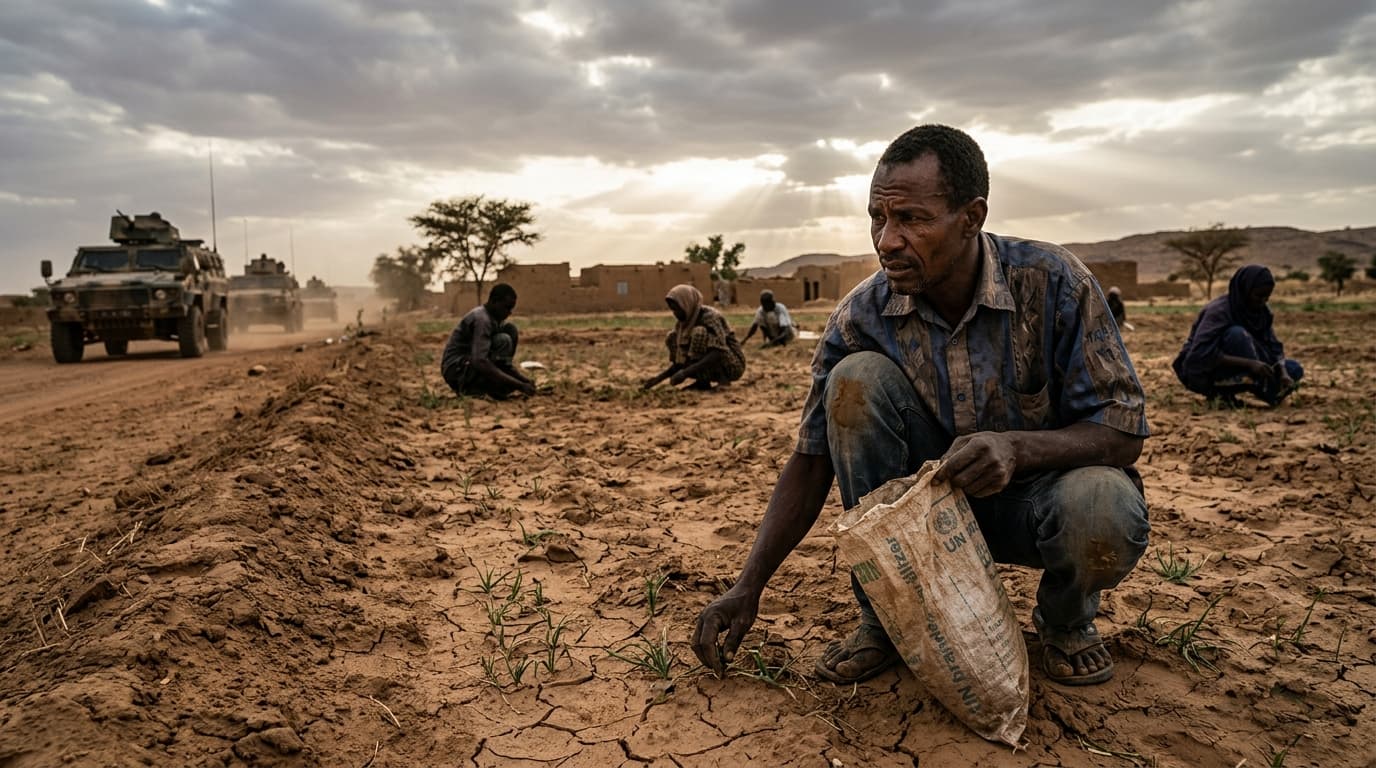
West Africa Food Crisis: Three Shocks in 2026
Conflict, climate extremes, and the Strait of Hormuz closure drive a severe food crisis in West and Central Africa, with fertilizer prices surging 80% and millions displaced.