US-Iran Tensions
Exploring the ongoing US-Iran conflict and its implications.
Model Diplomat3 min readMiddle East

US-Iran War Could Harden Into a Long Hormuz Standoff
Washington has escalation dominance, but Tehran still holds the chokepoint that can keep oil, shipping and diplomacy trapped in crisis.
The immediate question is no longer who can hit harder. It is who can sustain leverage. Since President Donald Trump agreed a two-week ceasefire on April 7, then extended it as diplomacy stalled, the U.S.-Iran war has shifted from overt strikes toward coercion around the Strait of Hormuz: Washington is using naval pressure and threats of blockade, while Tehran is using maritime disruption and indirect diplomacy to avoid capitulation without reopening full-scale war. That is the basic architecture of a frozen conflict — not peace, but a managed deadlock. Trump agrees to two-week Iran ceasefire, drops threat to destroy 'whole civilization' | Reuters
Trump's Iran Ceasefire Has Been Extended. So Has the Hormuz Standoff. | Council on Foreign Relations
Could the US-Iran war become a protracted 'frozen' conflict? | Al Jazeera
Why this looks more like containment than settlement
Washington still holds the superior conventional position. Reuters reported that the U.S. moved to block ships from Iranian ports after talks in Islamabad failed to produce a deal, and defense analysts described that blockade as a potentially open-ended military endeavor. But Tehran retains the cheaper spoiler’s tool: it can keep Hormuz unsafe enough to raise global costs without matching U.S. force ship-for-ship. US military to block ships from Iranian ports after talks yield no agreement | Reuters
US blockade of Iran will be major military endeavor, experts say | Reuters
That matters because the core dispute has not narrowed. On April 25, Reuters reported that Tehran still rejected what it called “maximalist” U.S. demands and refused direct talks, even as Pakistan kept mediating. A frozen conflict becomes likely when both sides prefer an unfavorable status quo to the concessions needed for a settlement. That is where this crisis now sits. Trump cancels envoys' Pakistan trip, in blow to hopes for Iran war ... | Reuters
Who benefits, and who pays
Trump benefits if he can claim he stopped the bombing while preserving coercive pressure. Iran’s leadership benefits if it can frame survival under blockade as resistance rather than retreat. Pakistan gains diplomatic relevance as the only viable intermediary. Trump agrees to two-week Iran ceasefire, drops threat to destroy 'whole civilization' | Reuters
Trump cancels envoys' Pakistan trip, in blow to hopes for Iran war ... | Reuters
The losers are more concrete: Gulf shipping, Asian energy importers, and U.S. allies who do not want to be drafted into an indefinite maritime campaign. Reuters said the ceasefire briefly promised to free about 130 million barrels of crude stuck on roughly 200 tankers, but shipowners remained wary. Britain and France also declined to join the blockade, a sign that even close partners do not want to underwrite an unlimited Hormuz confrontation. Iran war ceasefire pushes energy markets into twilight zone | Reuters
US begins blockade of Iran's ports, Tehran threatens retaliation | Reuters
What to watch next
The next decision point is diplomatic, not military: whether Washington reschedules its canceled Islamabad channel and whether Tehran moves from indirect messaging to direct talks. If not, watch the maritime file. A narrower U.S. interdiction regime and partial Hormuz reopening would signal bargaining. A wider blockade, or new Iranian interference with shipping, would signal the conflict is hardening into a long contest of pressure, attrition, and episodic escalation — the kind of crisis that quickly moves from Global Politics into a wider
international energy and security problem.
Discover more

Global Politics
US Seizes Iranian Ship, Tensions Surge
The US seizure of the Iranian ship Touska highlights a shift in control over the Strait of Hormuz, favoring Iran's strategic position.

Conflict & Security
Drone Warfare Killing Aid Workers at Unprec
Over 1,000 humanitarian workers killed in three years as cheap armed drones collapse legal protections. Gaza, Sudan, Ukraine, and DRC see deliberate targeting of aid convoys and hospitals with zero prosecutions.
Global
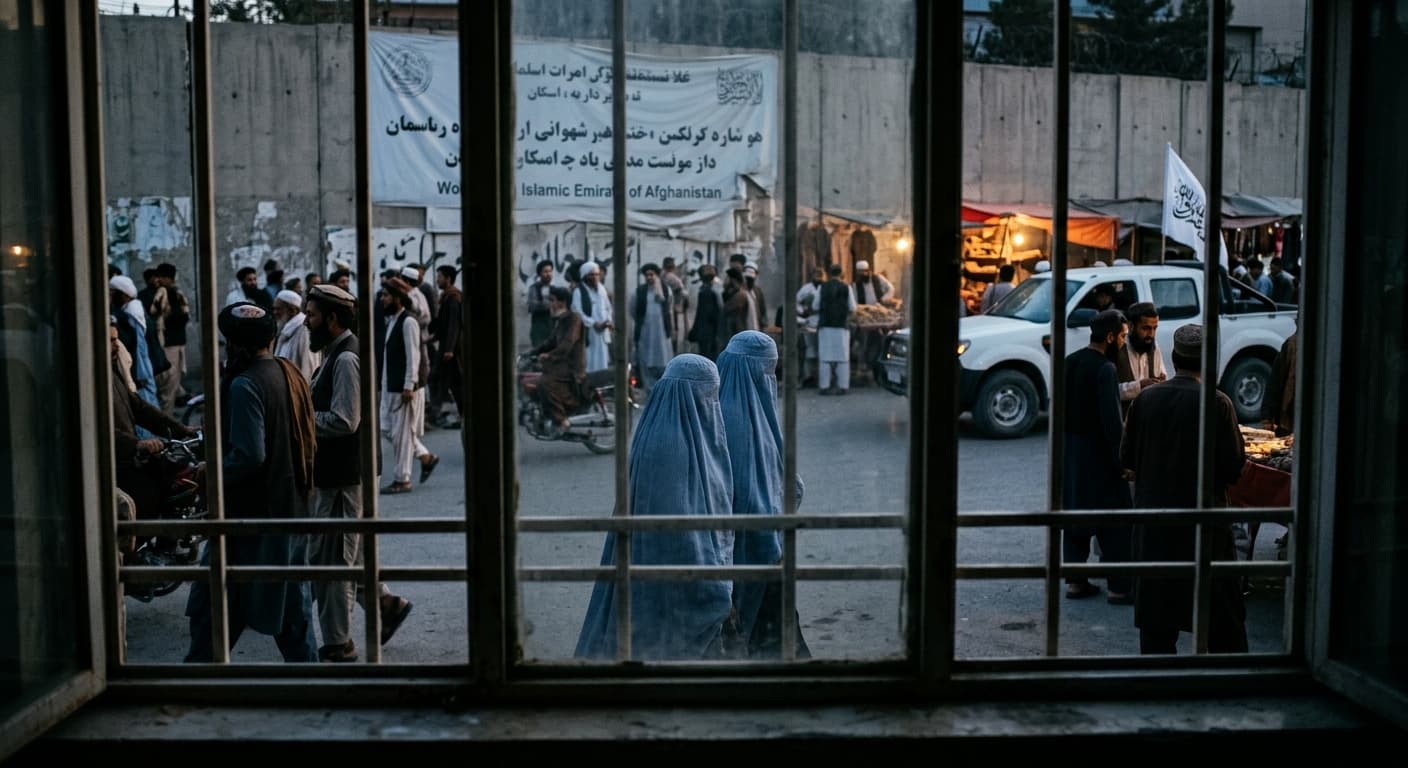
World Normalises Taliban as Afghan Women Eras
UN data shows Afghan women erased from public life as Russia recognises the Taliban, EU hosts officials in Brussels, and ICC warrants for gender persecution go unenforced.
Conflict & Security
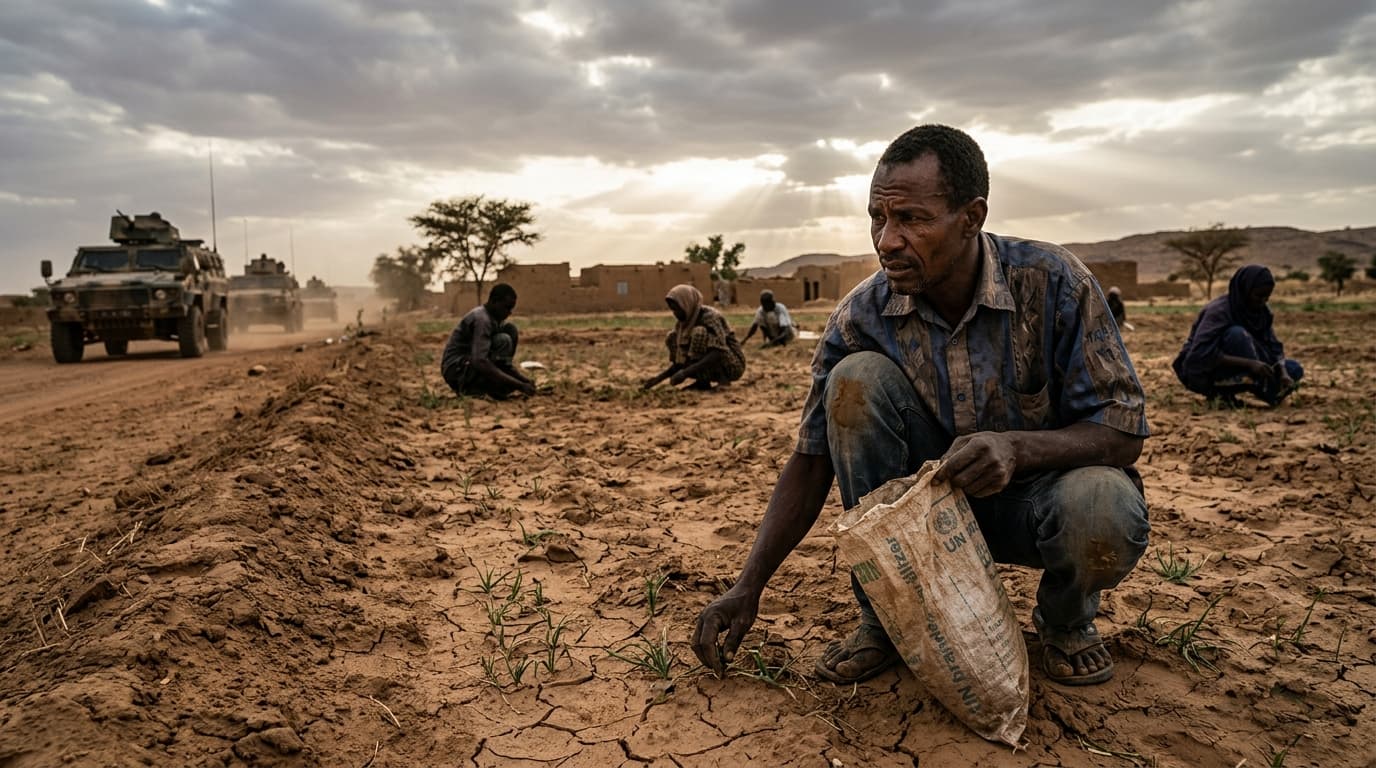
West Africa Food Crisis: Three Shocks in 2026
Conflict, climate extremes, and the Strait of Hormuz closure drive a severe food crisis in West and Central Africa, with fertilizer prices surging 80% and millions displaced.