U.S.-Iran Memo Offers Trump Quick War Exit
A draft memo could halt the war while delaying nuclear talks.
Model Diplomat2 min readMiddle East
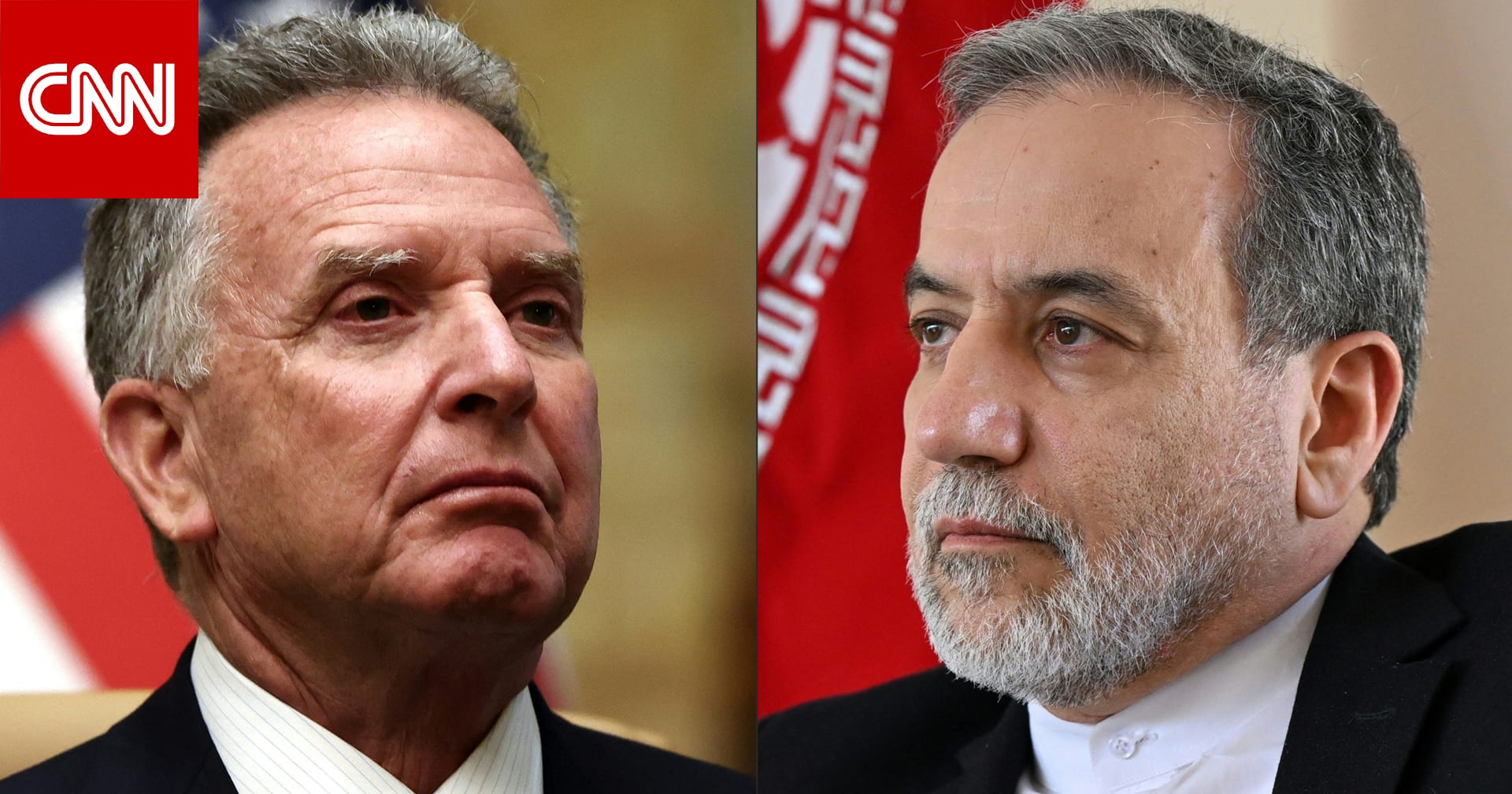
U.S.-Iran One-Page Memo Gives Trump a Fast Off-Ramp
[A draft memorandum could halt the war before settling Iran’s nuclear file, handing Trump a quick win while postponing the hardest concessions.]
Washington and Tehran are working through a one-page memorandum that would end the fighting first and push the nuclear question into later talks, according to CNN Arabic and
Reuters. That sequencing is the power play: Trump gets a visible off-ramp, while Iran is asked to accept a pause before the sanctions, enrichment, and asset issues are settled. For
United States politics, the value is the appearance of control; in
Global Politics, the lesson is that sequencing often decides diplomacy before substance does.
Why the sequencing matters
The reported design is not a peace treaty. Reuters reported in April that the framework would be followed by 15 to 30 days of detailed negotiations, with an immediate ceasefire and reopening of the Strait of Hormuz before sanctions relief, frozen assets, and nuclear curbs are worked out. Reuters That favors the side that can sell speed. If Trump can freeze the conflict first, he can claim he stopped the war without immediately conceding on the issues that normally define a deal.
Iran also gains something from the structure, but less than Washington does. The memo buys time and may reduce immediate military pressure, yet it does not appear to lock in the broader relief Tehran wants. Reuters’ latest reporting says the draft still leaves the hardest questions — especially the nuclear program — for later, which means the real bargaining has only been delayed, not solved. CNN Arabic
Reuters
Pakistan holds the channel
Pakistan is the gatekeeper. Reuters reported that Islamabad has been the sole communication channel for the talks, and the latest reporting says Tehran would send its reply back through Pakistan. Reuters
Al Arabiya English That gives Pakistan unusual leverage over timing, wording, and whether either side can sell the result at home.
It also explains why the memo is intentionally thin. A one-page format reduces veto points, but it postpones the questions that usually kill U.S.-Iran bargaining: uranium stockpiles, sanctions snapback, and what counts as a real cap on enrichment. Reuters noted in March that Washington had also pushed for broader curbs on Iran’s program and its support for proxy groups, demands Tehran has rejected outright. Reuters
What to watch next
The next decision point is Iran’s answer through Pakistan and whether the White House accepts a memorandum that pauses the war without locking in the toughest nuclear terms. If Tehran signs, Trump gets a rapid diplomatic win and a chance to stabilize the Strait of Hormuz; if it stalls, the U.S. is back to coercion, with less room before credibility erodes. Watch the Pakistani channel, any move on sanctions relief, and whether the draft starts to mention enrichment limits or frozen Iranian assets. CNN Arabic
Reuters
Discover more
Global
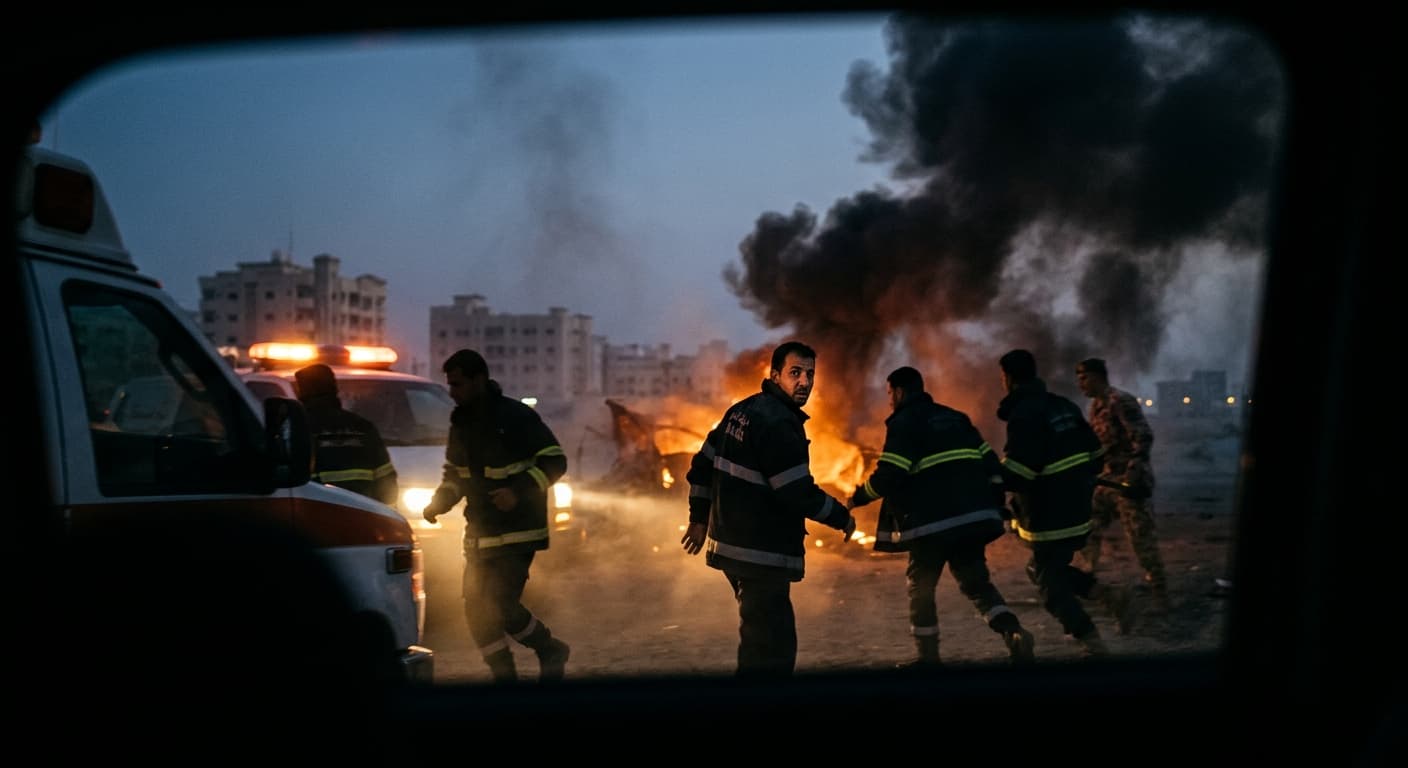
Iran Strikes Bahrain and Kuwait Amid US Ties
Iran's IRGC claims missile strikes on 85 US sites in Bahrain and Kuwait after the US revokes its oil sales license, escalating regional tensions.
International Relations
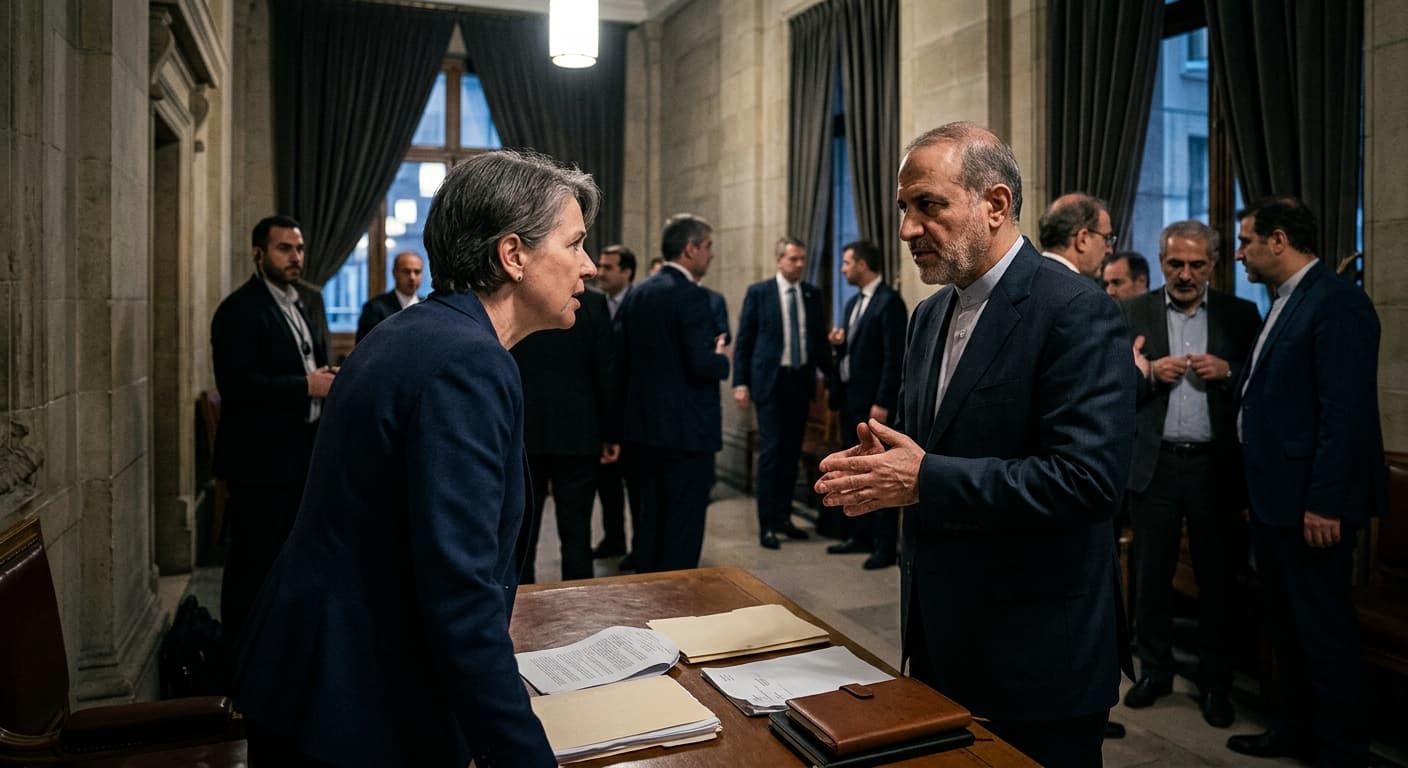
US-Iran Talks: Disputed Agreements Unveiled
US-Iran talks expose deep disagreements over nuclear inspections and sanctions relief, leaving any agreement uncertain as both sides hold firm on core demands.
Global Politics
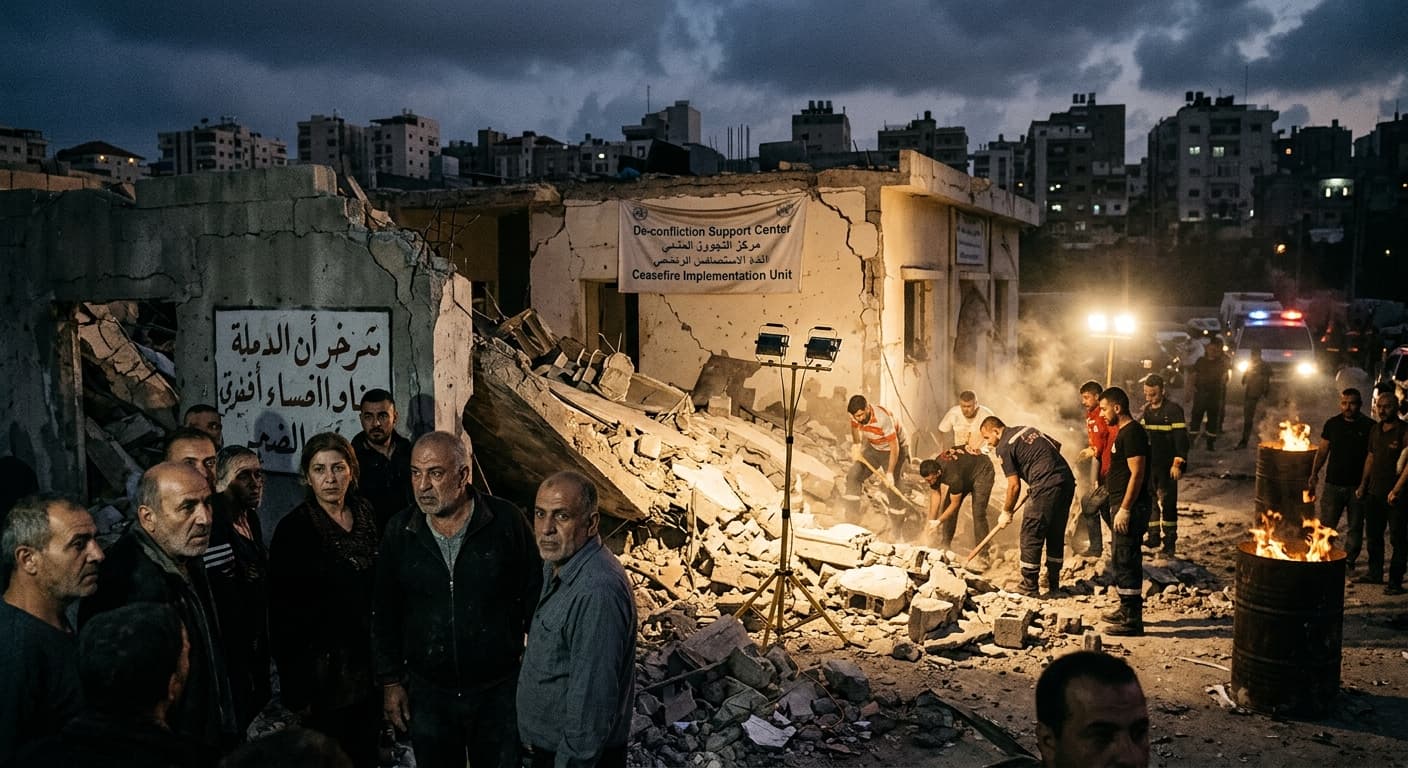
Iran's De-confliction Cells Face Lebanon Test
The US-Iran ceasefire's de-confliction cells face an early test as Israel presses strikes in Lebanon, straining the fragile deal and wider US-Iran relations.
International Relations
Nabatieh Ceasefire Unravels Amid Attacks
Israeli airstrikes resumed in southern Lebanon, killing 16 near Nabatieh as a fragile ceasefire with Hezbollah collapses and regional tensions escalate.