U.S. Immigration Politics
Tensions rise over immigration policy between Biden and Congress
Model Diplomat2 min readUnited States
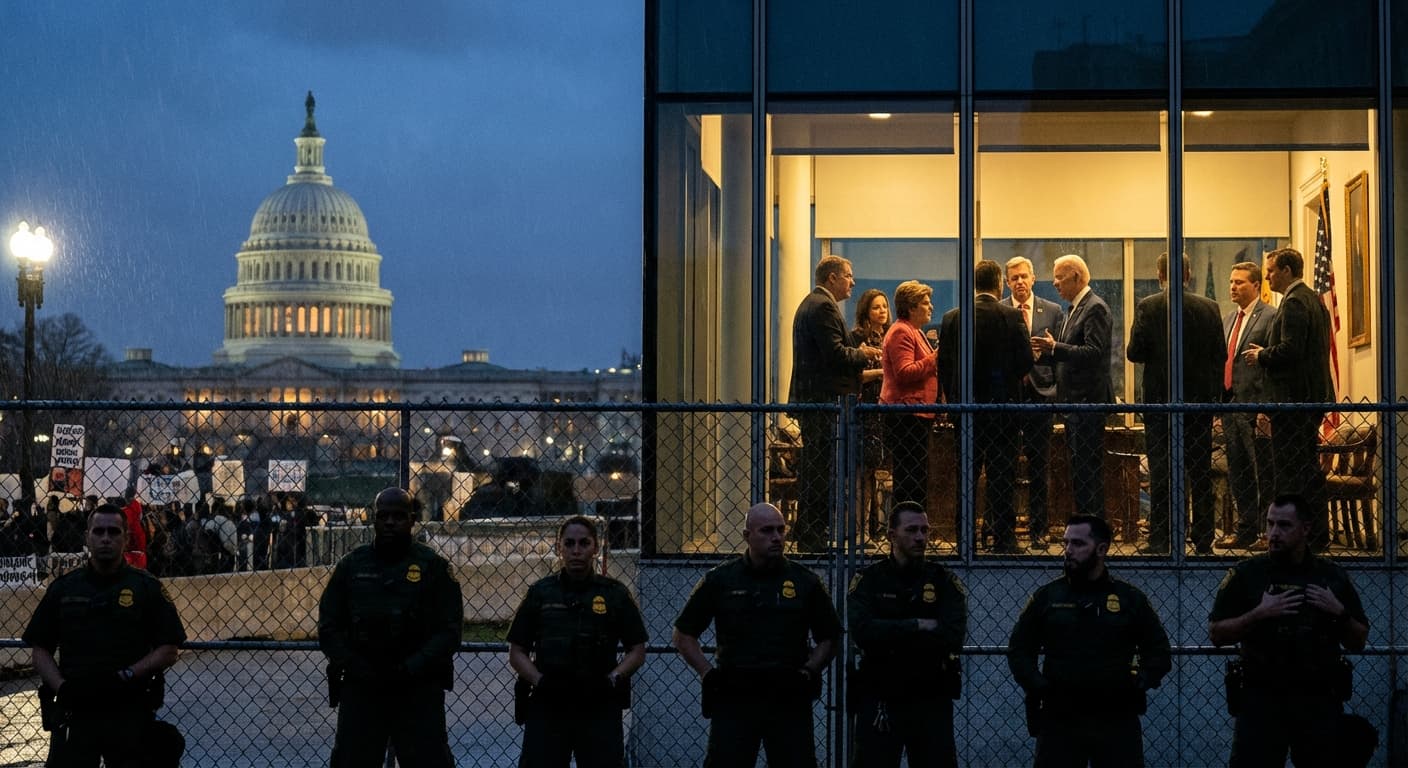
Immigration Politics in the U.S.: White House and Congress at Odds Again
The battle over U.S. immigration policy sharpens as the White House and Congress clash on enforcement, human rights, and legislative priorities.
The latest developments reported by AP News highlight a familiar but increasingly fraught dynamic in U.S. immigration politics: growing tensions between the Biden White House and Congress over the direction, scope, and priorities of immigration policy. This divide extends from enforcement approaches to fundamental questions about human rights protections for migrants.
Why the Clash Matters
Immigration has long been a fault line in U.S. politics, but the landscape today is particularly volatile for several reasons:
-
Legislative Gridlock: With a polarized Congress split between Democrats and Republicans, reaching consensus on comprehensive immigration reform remains elusive. The White House's push for more humanitarian-oriented policies clashes with Congressional Republicans' focus on border security and enforcement, while some Democrats advocate for more expansive protections including a pathway to citizenship.
-
Enforcement vs. Rights: The Biden administration, despite campaign promises to reverse harsh Trump-era policies, still faces tough realities on the U.S.-Mexico border. Enforcement procedures—like Title 42 expulsions under public health grounds—test the administration’s balance on controlling migration flows while upholding human rights. Congress increasingly demands accountability and clarity on these measures.
-
Political Stakes for 2026: Immigration is shaping up as a decisive issue for the midterms and beyond. Democrats rely on support from immigrant and progressive constituencies, while Republicans aim to energize their base with tougher border measures. How the White House and Congress reconcile or deepen their differences can sway electoral outcomes and policy trajectories heading into 2027.
Historical Echoes: Stalemates Past and Present
This standoff echoes deep past struggles over immigration in U.S. history — from the divisive Clinton-era immigration reform failures to the Trump administration’s hardline stance that reshaped border enforcement. The cycle of promise and disappointment shows the entrenched nature of the issue, intertwined with broader debates about national identity, security, and economic priorities.
Yet today’s context is distinct: global migration pressures driven by climate change, conflict, and economic disruption complicate policy responsiveness. The humanitarian dimension demands nuanced approaches, not just enforcement toughness, putting added strain on political compromises.
Watch This Space
What happens next hinges on key factors:
-
Legislative Proposals: Watch for any bipartisan bills gaining traction. Even limited reforms could set important precedents amid broader deadlock.
-
Executive Actions: The White House may lean more heavily on administrative measures to sidestep Congressional gridlock, redefining enforcement and asylum processes.
-
Legal and Judicial Influence: Courts remain flashpoints for immigration policy, especially around contentious enforcement practices and migrant protections.
The evolving immigrant rights activism and shifting voter demographics elevate the stakes, forcing Washington to confront immigration policy not as a wedge issue, but as a defining feature of U.S. governance in this decade.
For a broader perspective on the politics shaping these debates, see our coverage on US Politics and the
United States profile.
Discover more
Global Politics
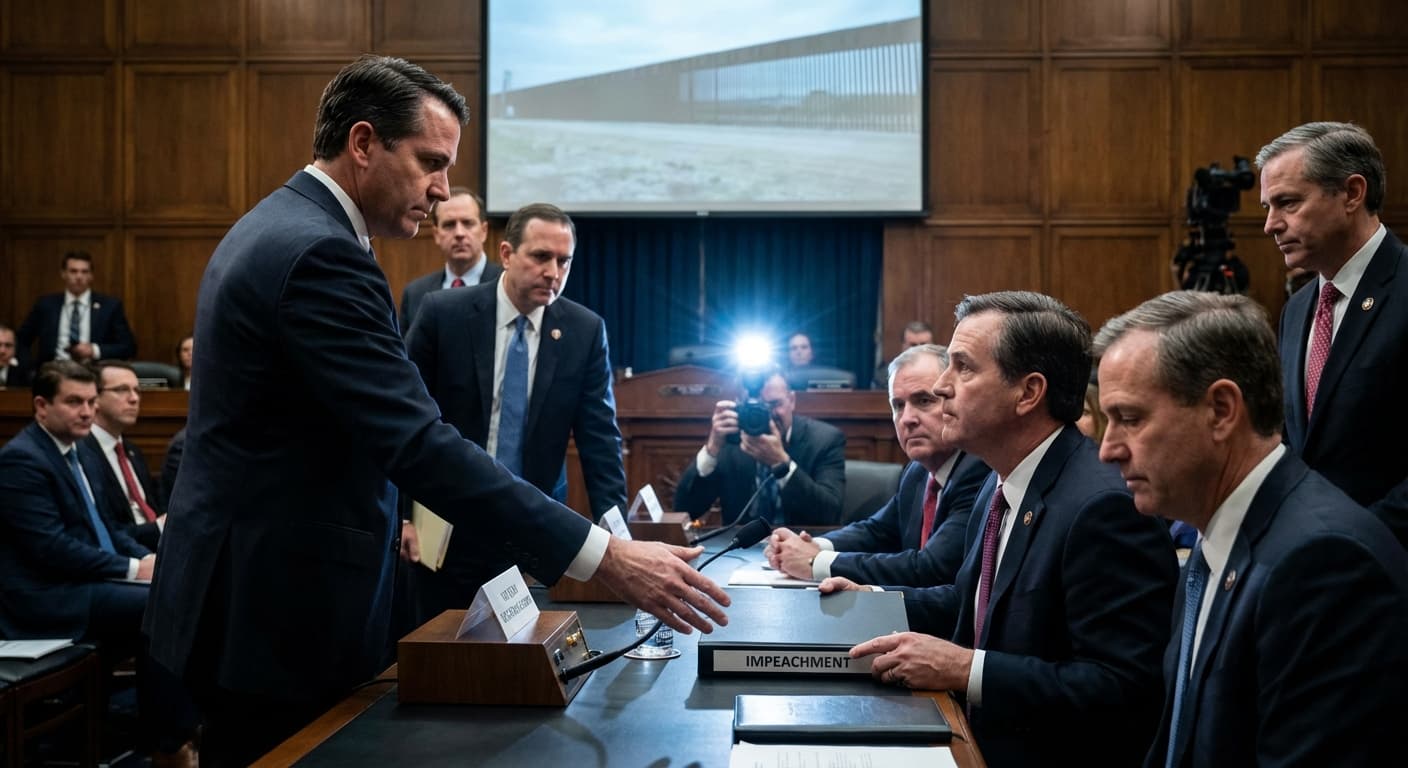
GOP Impeaches Mayorkas Over Immigration Fail
House Republicans push to impeach Secretary Mayorkas over alleged immigration enforcement failures, deepening partisan divides in a bitter border-policy fight.

Conflict & Security
Drone Warfare Killing Aid Workers at Unprec
Over 1,000 humanitarian workers killed in three years as cheap armed drones collapse legal protections. Gaza, Sudan, Ukraine, and DRC see deliberate targeting of aid convoys and hospitals with zero prosecutions.
Global
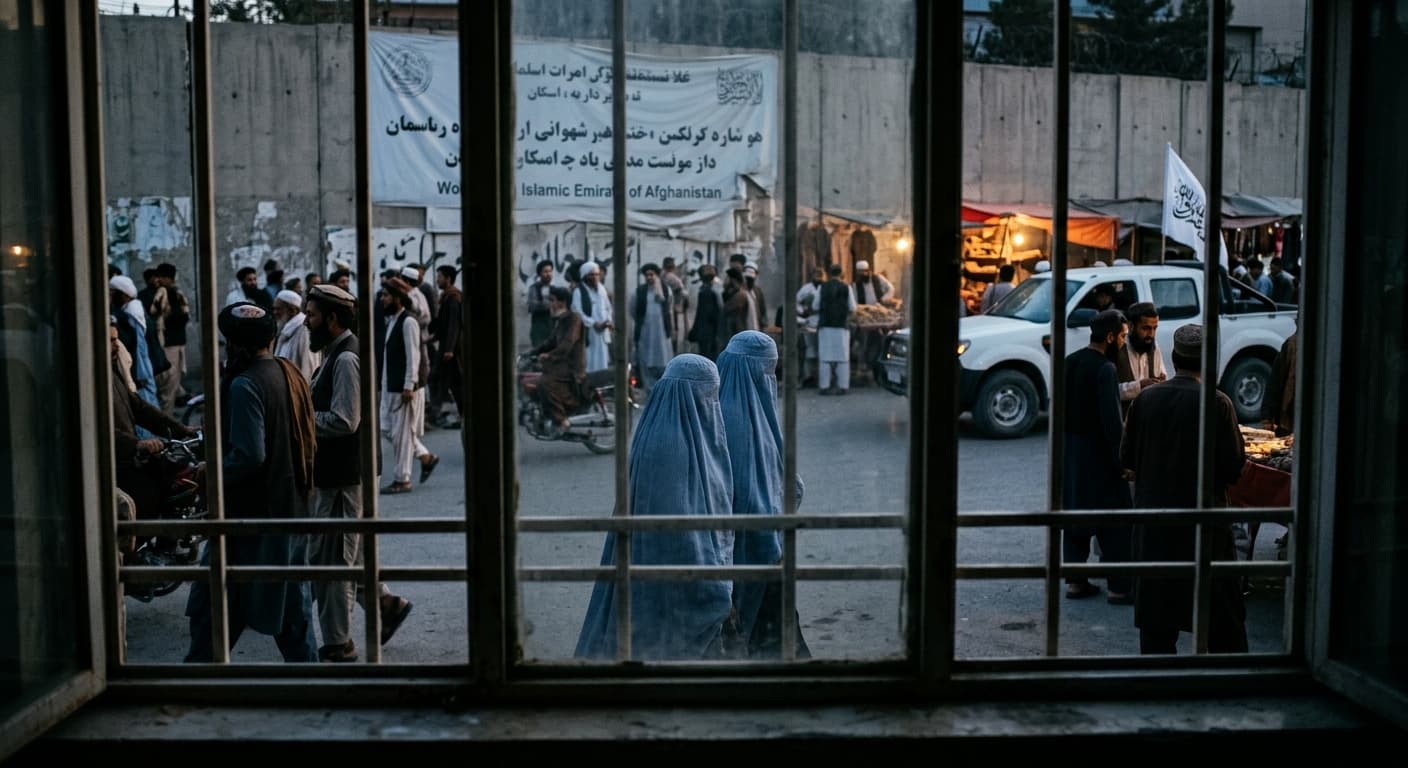
World Normalises Taliban as Afghan Women Eras
UN data shows Afghan women erased from public life as Russia recognises the Taliban, EU hosts officials in Brussels, and ICC warrants for gender persecution go unenforced.
Conflict & Security
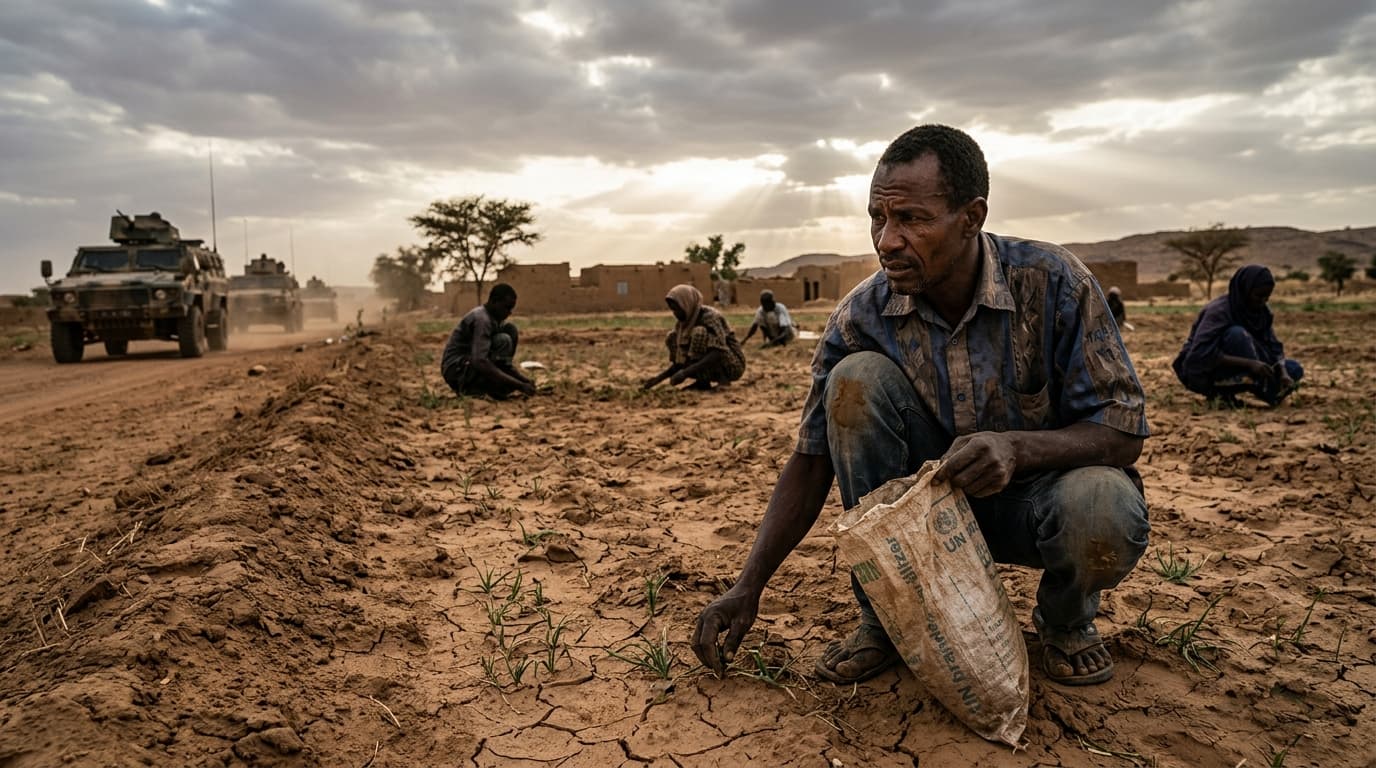
West Africa Food Crisis: Three Shocks in 2026
Conflict, climate extremes, and the Strait of Hormuz closure drive a severe food crisis in West and Central Africa, with fertilizer prices surging 80% and millions displaced.