US Weighs Falklands Sovereignty Shift
Washington's potential policy change could reshape UK strategy.
Model Diplomat3 min readSouth America
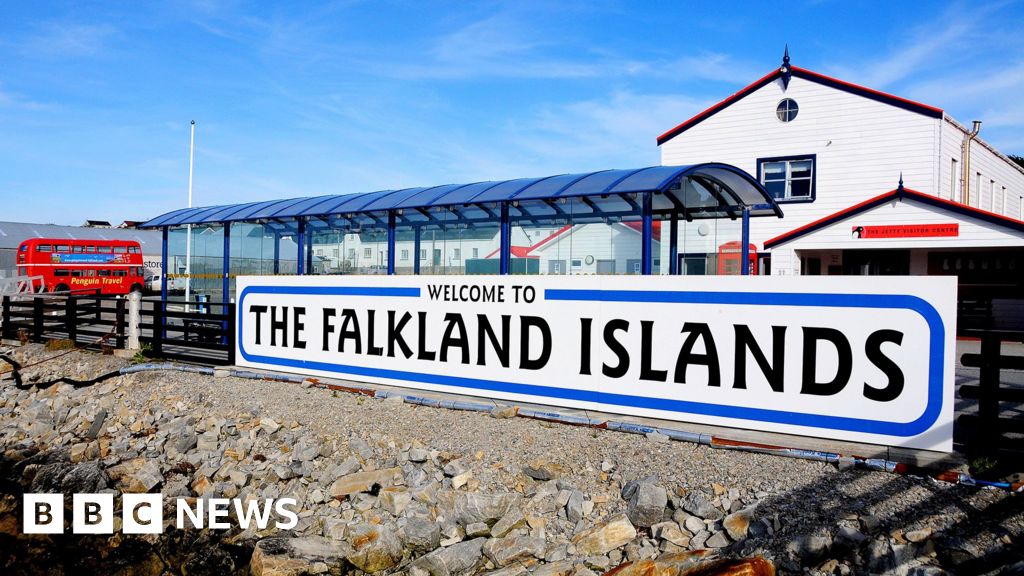
Washington Turns the Falklands into a Pressure Point on London
The US is reportedly weighing a reassessment of its position on Falklands sovereignty — a lever that could reshape the UK's strategic calculus overnight.
No. 10 Downing Street was forced onto the defensive on April 25, declaring that Falklands sovereignty "rests with the United Kingdom" after Reuters reported that Washington is actively considering reassessing its longstanding support for Britain's claim — a policy shift being floated as leverage over London amid wider tensions, including UK-US disagreements over Iran.
The speed of No. 10's response signals alarm, not confidence.
What the US Actually Holds
For decades, Washington's position has been simple: the Falklands are a matter for the islanders to decide, and their 2013 referendum — 99.8% in favour of remaining British — settled the democratic argument. Any US wobble on that baseline is not a minor procedural shift. It would hand Argentina's President Javier Milei a diplomatic win without Buenos Aires having to do anything, and it would publicly humiliate a core NATO ally at a moment when alliance cohesion is already under strain.
The leverage is real precisely because the US exercised it in reverse during the 1982 war: after initial mediation attempts failed, Washington backed London with intelligence and base access, tipping the military balance. Withdrawing that symbolic endorsement now — even rhetorically — would reverberate in Buenos Aires, London, and every other capital watching how Trump treats traditional allies.
The Milei Variable
The timing is no coincidence. Milei has deepened Argentina's alignment with Washington faster than any Buenos Aires government in recent memory: joint US-Argentine military exercises are scheduled for April 26–30 involving the USS Nimitz and the destroyer Gridley in Argentina's exclusive economic zone, according to AP. That's not coincidental scheduling — it's a demonstration of the relationship's depth. Milei publicly frames Malvinas sovereignty as non-negotiable but diplomatic; Trump now appears willing to use that issue as a bilateral bargaining chip with Britain rather than treating it as settled.
The UK is simultaneously navigating a separate sovereignty headache — the contested Chagos Islands deal, which Trump has already publicly called "an act of GREAT STUPIDITY." Downing Street is now being squeezed on two territorial fronts by the same White House. For analysis of the broader pattern of US pressure on international territorial disputes, that dual squeeze is the story.
Britain's Weak Hand
Prime Minister Keir Starmer has already pledged the Falklands will remain British — a statement that costs nothing when Washington agrees and everything when it doesn't. The UK garrison on the islands is maintained, but Britain's strategic dependence on US intelligence, basing rights, and diplomatic cover means London cannot afford a sustained confrontation with Washington over the issue.
The 3,660 Falkland Islanders — whose fishing licences generate roughly 58% of local GDP — would be the most directly exposed if economic or diplomatic pressure escalated.
What to Watch
The next 72 hours matter. If the US State Department issues a formal clarification endorsing self-determination, this remains a trial balloon. If it stays silent or hedges, Downing Street's problem deepens. Watch whether Argentine Foreign Minister raises Malvinas in any Washington bilateral — that meeting, if it happens, is the signal that this has moved from leverage to policy.
Discover more

Global Politics
US Seizes Iranian Ship, Tensions Surge
The US seizure of the Iranian ship Touska highlights a shift in control over the Strait of Hormuz, favoring Iran's strategic position.

International Relations
Pakistan's Key Role in US-Israel-Iran Meddle
Pakistan is seeking to mediate the US-Israel-Iran conflict, balancing high-stakes diplomacy against severe economic pressures and steep regional challenges.

Conflict & Security
Drone Warfare Killing Aid Workers at Unprec
Over 1,000 humanitarian workers killed in three years as cheap armed drones collapse legal protections. Gaza, Sudan, Ukraine, and DRC see deliberate targeting of aid convoys and hospitals with zero prosecutions.

Global
World Normalises Taliban as Afghan Women Eras
UN data shows Afghan women erased from public life as Russia recognises the Taliban, EU hosts officials in Brussels, and ICC warrants for gender persecution go unenforced.