U.S. Iran Ceasefire Framework Nears Agreement
Diplomatic efforts by Pakistan, Egypt, and Turkey may end U.S.-Iran war
Model Diplomat3 min readMiddle East
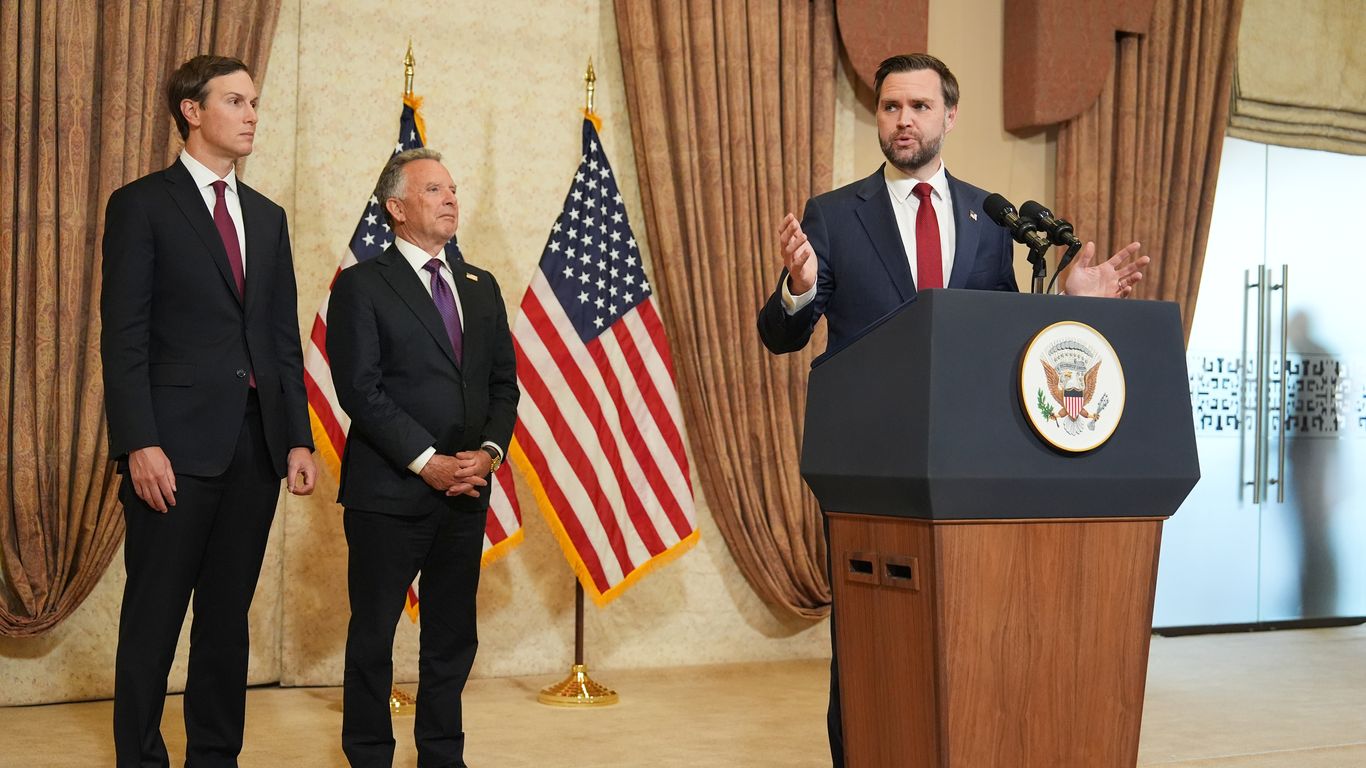
U.S. and Iran Near Framework to End War, Aided by Regional Mediators
U.S. and Iran are reportedly close to a preliminary framework deal to end their ongoing war, with Pakistan, Egypt, and Turkey pushing a ceasefire and broader negotiations.
The U.S. and Iran are on the cusp of agreeing to a framework aimed at ending the current war between the two, multiple sources tell Axios. Behind the scenes, diplomats from Pakistan, Egypt, and Turkey have been instrumental in brokering talks, working to secure a ceasefire extension while laying groundwork for a broader peace agreement. High-level U.S. involvement includes Vice President Vance, White House envoy Steve Witkoff, and former senior adviser Jared Kushner, all deeply engaged in backchannel diplomacy.
Why This Matters
The conflict between the U.S. and Iran, inflamed over recent years by proxy skirmishes, economic sanctions, and regional power struggles, has dragged on with significant humanitarian and geopolitical costs. A near-agreement signals a rare moment of diplomatic opening after years of hostility marked by the 2018 U.S. withdrawal from the Iran nuclear deal (JCPOA) and escalating confrontations in the Gulf and the Middle East.
That mediators from Pakistan, Egypt, and Turkey—three regional powers with distinct ties and stakes—are leading efforts reflects a shift in the diplomatic architecture. These states are less polarizing than Western or Gulf powers and can navigate both Iranian and American interests with a degree of trust, indicating a modus operandi that resists binary U.S.-Iran antagonism. Pakistan's historical balancing act with Iran and the U.S., Egypt's role in Middle Eastern diplomacy, and Turkey’s independent regional ambitions are all factors pushing this sensitive diplomatic dance.
U.S. officials' reliance on Vice President Vance, Witkoff, and Kushner highlights a blend of official and unofficial channels. Kushner’s involvement, after a high-profile but controversial tenure in Middle East peace efforts, shows Washington’s willingness to leverage all diplomatic capital. Meanwhile, Witkoff, experienced in Middle East negotiations, and Vance suggest the Biden administration is serious about containment by peaceful means, even as domestic opposition remains potent.
What to Watch Next
Key next steps include whether the ceasefire extension can hold long enough to establish trust on both sides and if the framework can evolve into binding agreements on withdrawal, sanctions relief, and normalization. The scope of this deal will be revealing—whether limited to ending immediate hostilities or laying foundations for broader cooperation on nuclear activities, trade, and regional security.
Iran’s internal response will be crucial. Hardliners skeptical of U.S. intentions may resist, complicating President Raisi’s calculus ahead of domestic political pressures. On the U.S. side, Washington will grapple with Congress’s hawkish factions who see any deal as appeasement.
Finally, the broader Middle East will watch closely. A de-escalation would reverberate on conflicts in Yemen, Syria, and Lebanon, where Iranian influence and U.S. allies are deeply entangled. Neighboring states and global powers like Russia and China will recalibrate accordingly.
This evolving diplomatic episode is a rare opportunity to pivot from confrontation to negotiation between two long-standing adversaries, one that could reshape Middle Eastern geopolitics and U.S. foreign policy substantially.
For more on Iran and U.S. tensions, see the Iran profile and developments in
Global Politics.
Source: Axios, "U.S. and Iran inch toward framework deal to end war"
Discover more
Global Politics
Iran's Fragile Ceasefire
With Iran's ceasefire nearing its end, uncertainty mounts over stalled US-Iran negotiations and the fragile prospects for lasting Middle East stability ahead.

Global Politics
Iran Warns US Naval Blockade Threatens Cease
Iran warned the US that its naval blockade risks collapsing the fragile Middle East ceasefire, signaling a dangerous path toward renewed regional escalation.
Global Politics
Iran's Warning
Iran warns a U.S. blockade in the Strait of Hormuz could collapse a fragile ceasefire, threatening regional stability and the security of global oil supplies.

Conflict & Security
Drone Warfare Killing Aid Workers at Unprec
Over 1,000 humanitarian workers killed in three years as cheap armed drones collapse legal protections. Gaza, Sudan, Ukraine, and DRC see deliberate targeting of aid convoys and hospitals with zero prosecutions.