Tanzania's BTI Report on Democratic Reforms
Examining Tanzania's political transformation under Samia Suluhu Hassan
Model Diplomat3 min readafrica
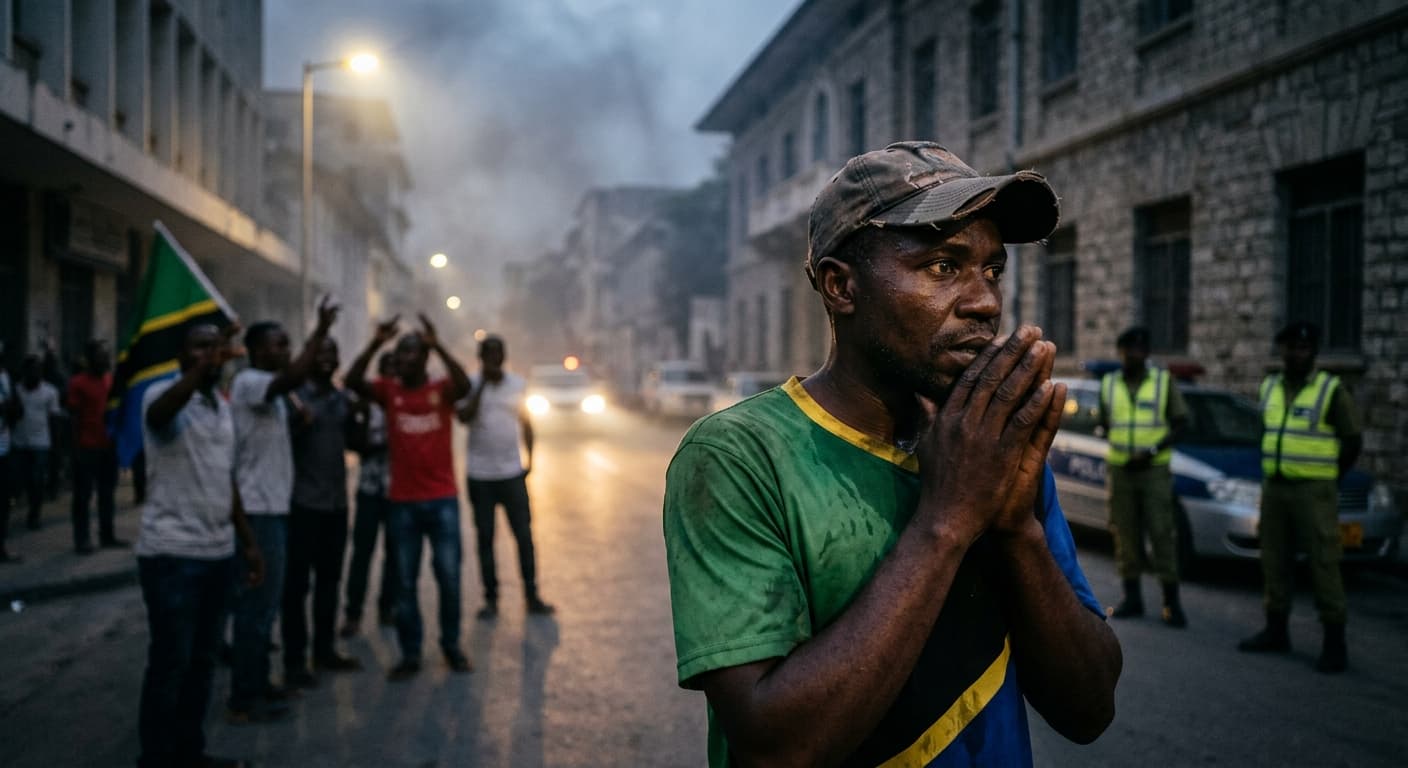
Tanzania's BTI Report Captures a Reform Window That Already Closed
The Bertelsmann Transformation Index 2026 documents Samia Suluhu Hassan's democratic opening — but its assessment period ends before the October 2025 election crackdown that killed 518 people.
The BTI 2026 Tanzania Country Report, released by the Bertelsmann Stiftung, charts what was, for a time, one of Africa's most closely watched democratic transitions. Covering February 2023 through January 2025, the report details President Samia Suluhu Hassan's "4R" reform agenda — reconciliation, resilience, reforms, rebuilding — and her break from the authoritarian policies of predecessor John Magufuli. But the assessment window closed nine months before Tanzania's October 2025 general election, and the events since have gutted nearly every democratic gain the BTI documents.
The report scores Tanzania at 4.75 out of 10 on political transformation (67th of 137 countries) and 5.32 on economic transformation (71st). Those middling figures reflect a country in transition — the Presidential Task Force on Multiparty Democracy had submitted its recommendations in October 2022, a constitutional review was pledged, and political rallies were permitted again after a six-year Magufuli-era ban. On the economic side, the BTI credits Hassan with enacting the Investment Act No. 10 of 2022, creating a dedicated Ministry of Investment, Industry and Trade, and pursuing market-oriented policies antithetical to Magufuli's statist approach.
The context the BTI cannot provide is what came next. On October 29, 2025, Hassan won re-election with 97.66% of the vote after both main opposition leaders were barred from the ballot. Chadema's Tundu Lissu was imprisoned on treason charges; ACT-Wazalendo's Luhaga Mpina was disqualified on technical grounds. The African Union's election monitoring mission concluded the vote "did not comply with AU principles, normative frameworks, and other international obligations and standards for democratic elections," citing ballot stuffing, an internet blackout, and politically motivated abductions, Al Jazeera reported. SADC issued a rare rebuke of its own, stating voters "could not express their democratic will."
What followed dwarfed even the election's lack of credibility. A government-appointed commission of inquiry, chaired by Mohamed Chande Othman, found that 518 people died from "unnatural causes" in post-election protests, including 197 shot dead, according to BBC News. The commission stopped short of assigning responsibility. Hassan, for her part, blamed foreign actors for plotting to overthrow her government and defended security agencies, saying they had "prevented the state from sliding into anarchy."
The reversal has now extended to the very reforms the BTI report highlights. In 2023, Hassan lifted Magufuli's ban on political rallies — a decision the BTI treats as emblematic of the 4R agenda. But as of 2026, the government has re-suspended all political rallies indefinitely, with ACT-Wazalendo pledging to challenge the directive in court, BBC News reports. Opposition figures say the move targets growing crowds demanding accountability for the post-election deaths.
The economic story the BTI tells holds up somewhat better — but with caveats. The IMF completed Tanzania's fifth review under the Extended Credit Facility in June 2025 and noted the reform program "remained broadly on track," with medium-term growth contingent on sustained structural reforms to the business environment. Yet as Chatham House argued ahead of the election, the erosion of democratic institutions carries economic costs: policy uncertainty rises when political space closes, and Tanzania's ambition to reach upper-middle-income status by 2050 depends on the kind of private-sector-led growth that requires regulatory predictability, not executive whim.
What matters now is the constitutional reform process. Hassan has pledged to deliver a new constitution by 2028, before the next general election — a commitment she reiterated to parliament after the election violence. The commission of inquiry recommended the same. But the credibility of that process depends on whether opposition figures remain in prison, whether rallies stay banned, and whether the electoral commission — whose independence the BTI identifies as a central reform target — is ever genuinely reformed. The next decision point is whether criminal investigations into the 518 deaths produce accountability or become another exercise in self-exoneration.
Discover more
Global Politics
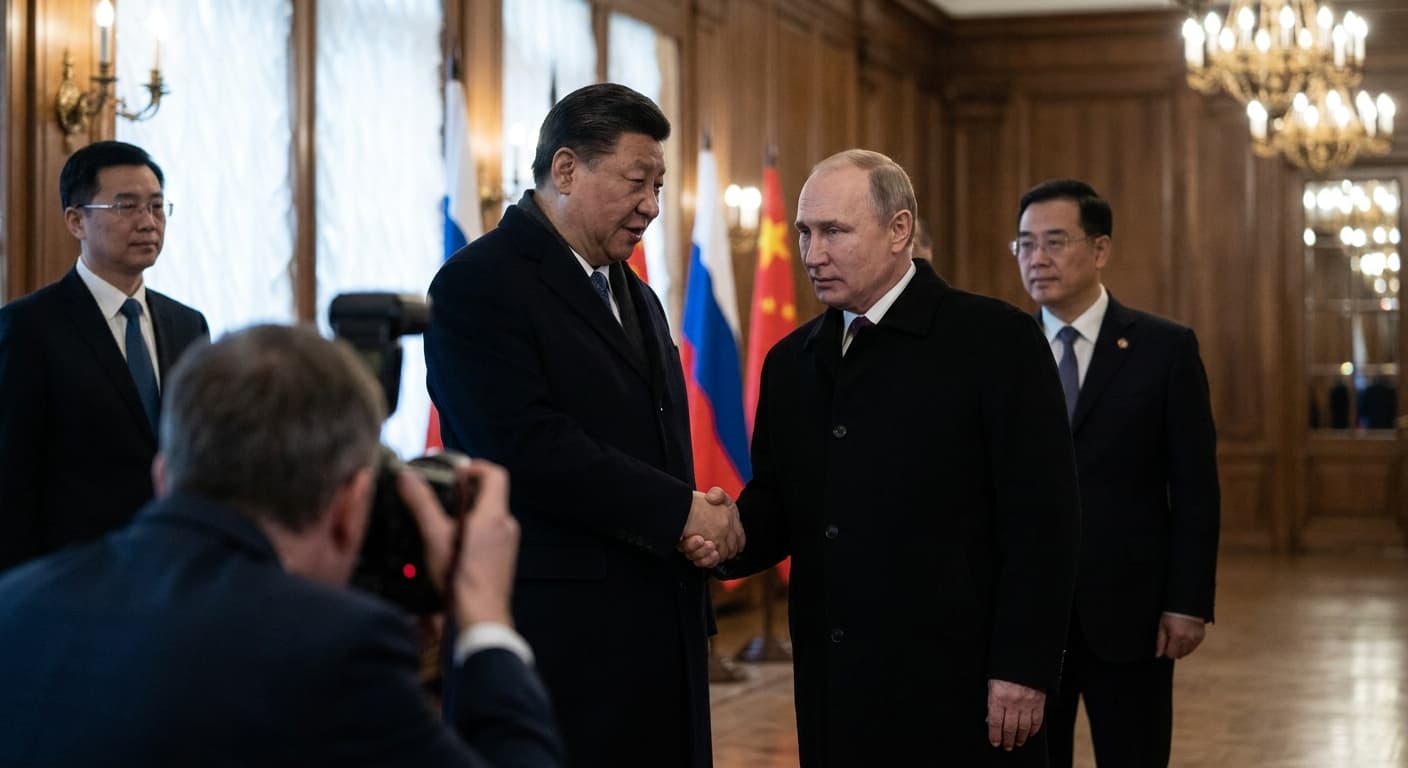
Xi Jinping Calls China-Russia Ties 'Precious'
Xi Jinping's description of China-Russia ties as 'precious' reflects a strategic imbalance, with Beijing dictating terms in the partnership.

US Politics
White House Pressures Congress for Crypto Leg
The Trump administration's push for the CLARITY Act aims to reshape crypto regulation, impacting trillions in market value and the Trump family's wealth.
India
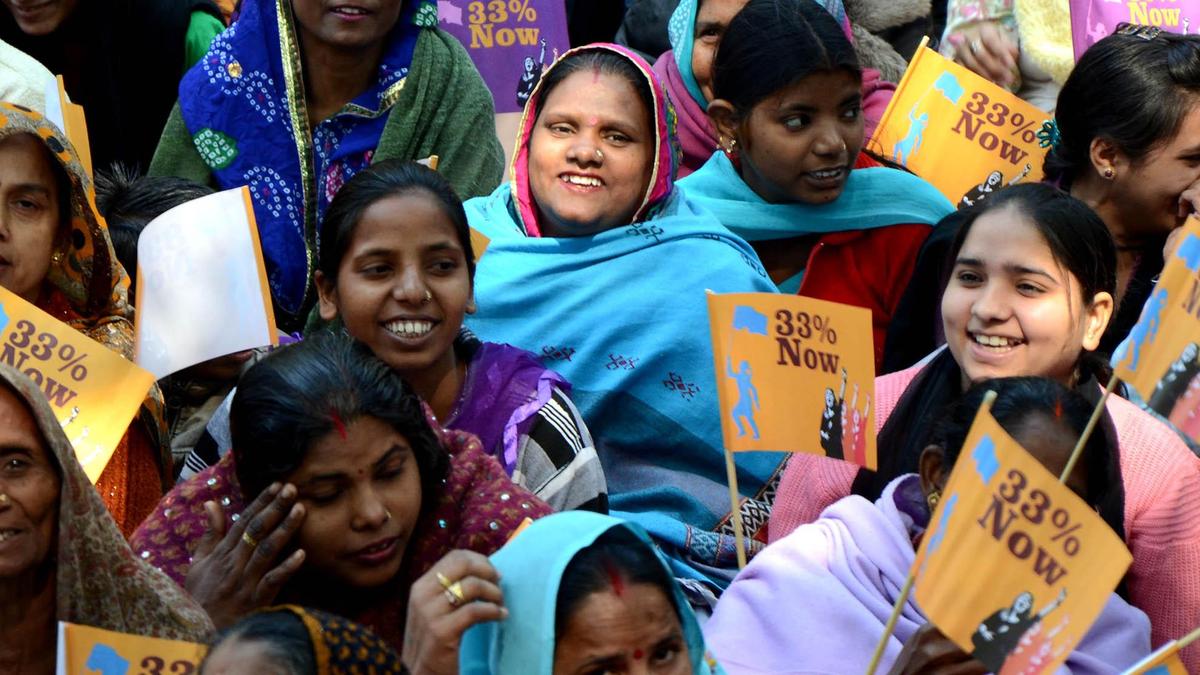
Women's Reservation Bill 2026: A Political Sh
India's Lok Sabha rejected the Women's Reservation Bill, exposing a political maneuver to redraw electoral maps favoring the north over the south.

Economics
Fed's Amex AML order puts correspondent banking on notice
Federal Reserve's Amex AML order requires board-level controls and a 90-day plan; OCC fined the bank $350 million over enterprise-wide deficiencies.