Trump's Germany Troop Withdrawal Divides GOP
Congressional Republicans voice concerns over troop reduction plans.
Model Diplomat3 min readNorth America

Trump’s Germany Troop Withdrawal Splits GOP Hawks
Wicker and Rogers are warning that Congress may be the real brake on Trump’s plan to remove 5,000 U.S. troops from Germany.
Donald Trump holds the deployment authority, but Congressional Republicans on defense are signaling they may not accept the strategic logic. The Hill reported that Armed Services Republicans Sen. Roger Wicker and Rep. Mike Rogers are “very concerned” about the administration’s move to pull U.S. troops from Germany, an unusually public warning from within Trump’s own coalition Armed Services Republicans ‘very concerned’ about US troops withdrawal from Germany. The concern is not theoretical: AP reported that the Pentagon plans to withdraw about 5,000 troops over the next six to 12 months, cutting the U.S. presence in Germany by roughly 14% from about 36,000 personnel
US to withdraw 5,000 troops from Germany in next 6-12 months.
Congress, not Berlin, is the real constraint
The immediate power struggle is inside Washington. Trump is using force posture as leverage in a broader confrontation with Germany over Iran and European burden-sharing, but Wicker and Rogers are warning that a Germany drawdown affects U.S. deterrence far beyond the bilateral dispute US to withdraw 5,000 troops from Germany in next 6-12 months
Armed Services Republicans ‘very concerned’ about US troops withdrawal from Germany.
This matters because Congress has blocked this movie before. In 2020, when Trump sought to remove about 12,000 troops from Germany, Congress used the annual defense bill to require an impact assessment before troop levels could fall below 34,500 U.S. Congress defense bill defies Trump on Germany withdrawal, base names. The implication for today’s
US Politics fight is clear: if senior Armed Services Republicans oppose the move, they have procedural tools to slow, condition, or partially reverse it.
Why Germany is not just another overseas posting
Germany is the core U.S. military hub in Europe. AP notes it hosts Ramstein Air Base and command infrastructure for U.S. European and Africa operations US to withdraw 5,000 troops from Germany in next 6-12 months. That makes this less about punishing Berlin and more about changing how fast the United States can move forces across Europe, Africa, and the Middle East.
The administration’s case is that Europe should carry more of its own defense burden and that the drawdown returns posture closer to pre-2022 levels U.S. withdrawing 5,000 troops from Germany, Pentagon announces | CBC News. Critics inside Congress see a different signal: that allies can lose U.S. military presence because of a political dispute, and that Russia may read intra-alliance friction as strategic opportunity.
What to watch next
The next test is whether this stays a 5,000-troop adjustment or becomes the opening move in a wider Europe rollback. Watch for three things: a detailed Pentagon implementation plan, any attempt by Wicker and Rogers to add restrictions in the next defense authorization cycle, and whether Berlin responds quietly or escalates publicly. If Congress moves first, Trump’s leverage shrinks. If it does not, Germany becomes the precedent for a broader rewrite of the U.S. role in International security.
Discover more
Global Politics
Trump's Conflicting Messages on Iran War
Trump's mixed messages on Iran reflect a strategy of audience management, benefiting Tehran amid a complex geopolitical landscape.

Conflict & Security
Drone Warfare Killing Aid Workers at Unprec
Over 1,000 humanitarian workers killed in three years as cheap armed drones collapse legal protections. Gaza, Sudan, Ukraine, and DRC see deliberate targeting of aid convoys and hospitals with zero prosecutions.
Global
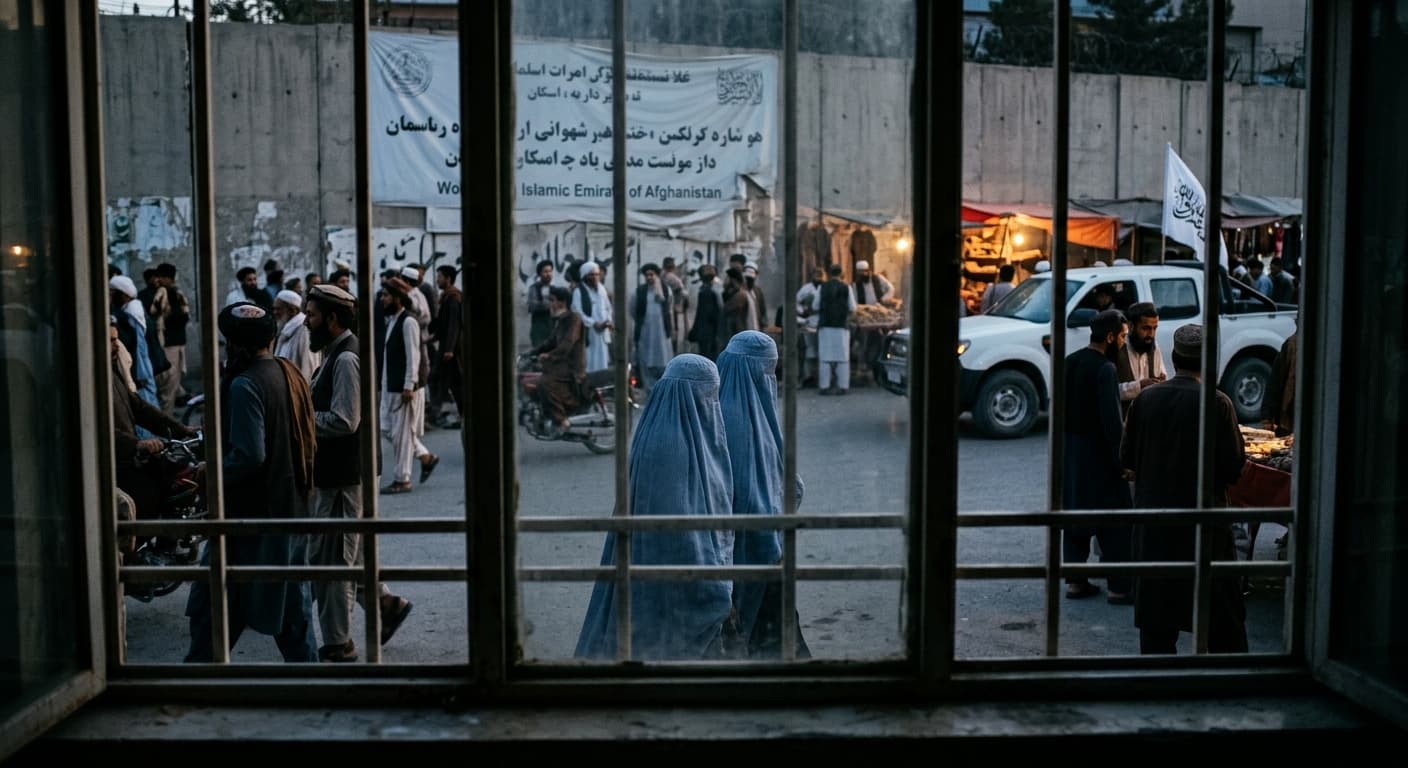
World Normalises Taliban as Afghan Women Eras
UN data shows Afghan women erased from public life as Russia recognises the Taliban, EU hosts officials in Brussels, and ICC warrants for gender persecution go unenforced.
Conflict & Security
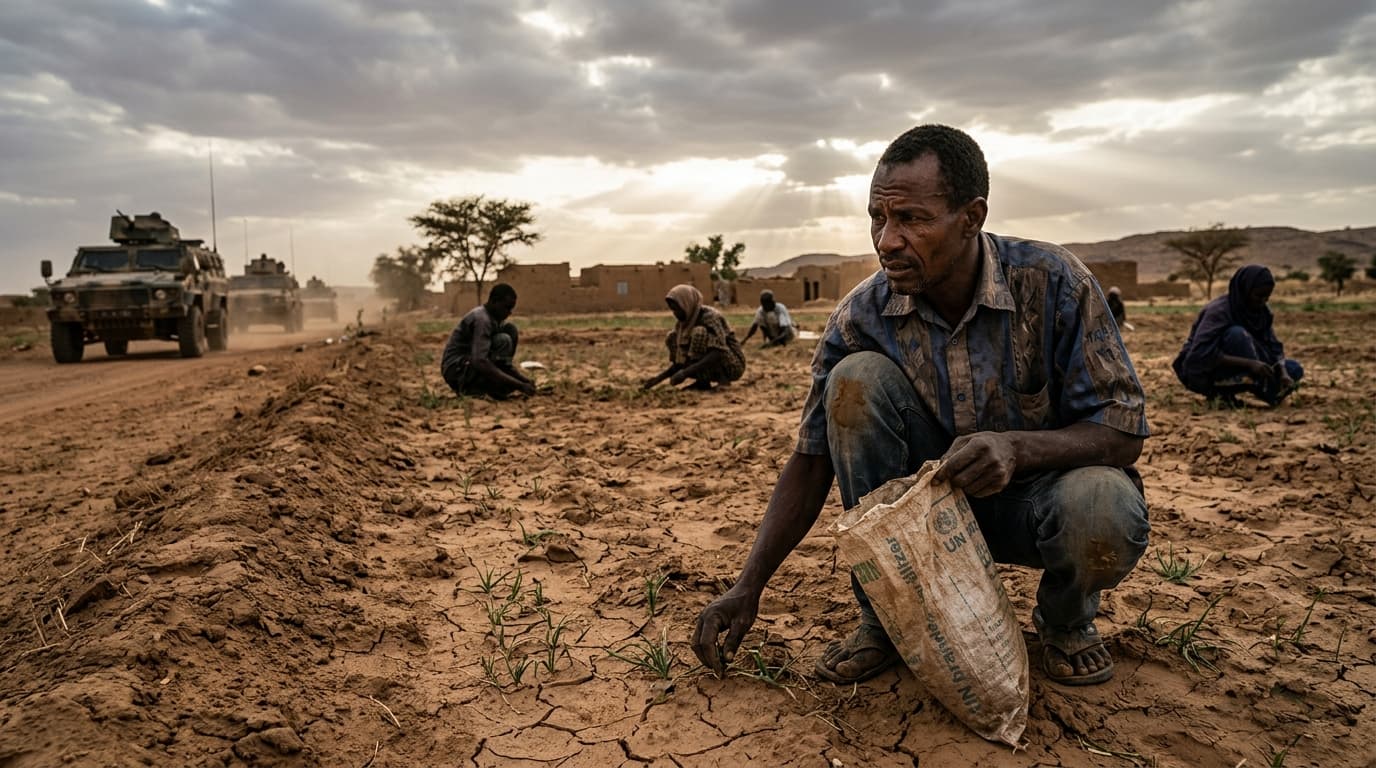
West Africa Food Crisis: Three Shocks in 2026
Conflict, climate extremes, and the Strait of Hormuz closure drive a severe food crisis in West and Central Africa, with fertilizer prices surging 80% and millions displaced.