Trump's Supreme Court Moves Amid Lebanon Ceas
Trump hints at Supreme Court changes as Middle East tensions ease.
Model Diplomat3 min readUnited States

Trump Pushes Supreme Court Changes as Middle East Ceasefire Sparks US Diplomatic Moves
President Trump teases Supreme Court shake-up while a Lebanon ceasefire and Iran talks shape US security policy.
Two major storylines dominate today’s U.S. political landscape: President Donald Trump’s signaling that Supreme Court Justices Samuel Alito and Clarence Thomas might retire soon, and a fragile ceasefire between Israel and Hezbollah in Lebanon aligned with renewed U.S. diplomacy on Iran.
Trump’s Court Strategy: Timing, Influence, and Political Calculation
Trump’s public hints about potential retirements of Justices Alito (76) and Thomas (77) aren't casual musing. He’s laying groundwork to reshape the high court over the coming years with picks aligned to his political and ideological priorities. Trump already claims to have a short list of willing replacements and is drawing parallels to historic retirements to justify his timeline.
Why it matters: The Supreme Court sets legal precedents on issues from abortion to executive power. With the 2026 midterms and Senate control still uncertain, Trump's strategy could pressure conservative justices to step down before the November elections to ensure that a Republican-controlled Senate confirms their successors. Should Democrats retake the Senate, the dynamics change dramatically. This signals a high-stakes judicial chess game unfolding alongside electoral politics.
Historically, justices time their retirement to maximize the chance of a like-minded successor. Trump’s public statements could nudge the court’s ideological tilt further right, making 2026 potentially pivotal for U.S. judicial history. More on US Politics and Supreme Court here.
Ceasefire in Lebanon: A Thin Step Toward Mideast Stability — With US in the Middle
Meanwhile, a tentative ceasefire between Israel and Hezbollah in Lebanon marks a rare pause in violence that has long destabilized the region. Despite intermittent shelling and threats of retaliation, the truce has entered its first day, coinciding with U.S. diplomatic efforts to advance Iran negotiations. Trump is optimistic about a soon-arriving Iran deal and mentions a possible Israel-Lebanon White House summit within two weeks.
This ceasefire is not just about Syria or Lebanon—it sits at the heart of the broader Iran-Israel conflict dynamic. U.S. forces nearby remain ready to respond militarily if diplomacy fails, maintaining naval blockades and troop deployments. The Biden administration’s continuity in this policy line underscores how the conflict transcends presidential terms and domestic politics.
The strategic significance: A lasting Lebanon ceasefire could unlock broader peace talks involving Tehran, vital to U.S. goals of regional stability and non-proliferation. Success here would bolster Trump’s foreign policy credentials and potentially shift narratives in Congress and among voters about American engagement in the Middle East.
Watch this space for how congressional and White House players leverage this delicate diplomacy in upcoming policy debates. More on International Affairs and US Politics here.
What’s Next
- Supreme Court retirements: Will Alito or Thomas formally announce departures this year? The timing will heavily influence 2026 Senate battle lines and the ideological future of the judiciary.
- Lebanon ceasefire durability: Any breakdown could redraw U.S. troop commitments and derail nascent Iran talks. Watch for signals from Hezbollah and Israeli forces.
- White House diplomacy: The upcoming Israel-Lebanon meeting and Iran negotiations set for this weekend will provide key insights into Trump’s foreign policy playbook amid domestic political pressures.
Today’s developments underscore a U.S. leadership juggling significant domestic and foreign policy arenas, each with transformative stakes for 2026 and beyond.
Sources:
Discover more

Global Politics
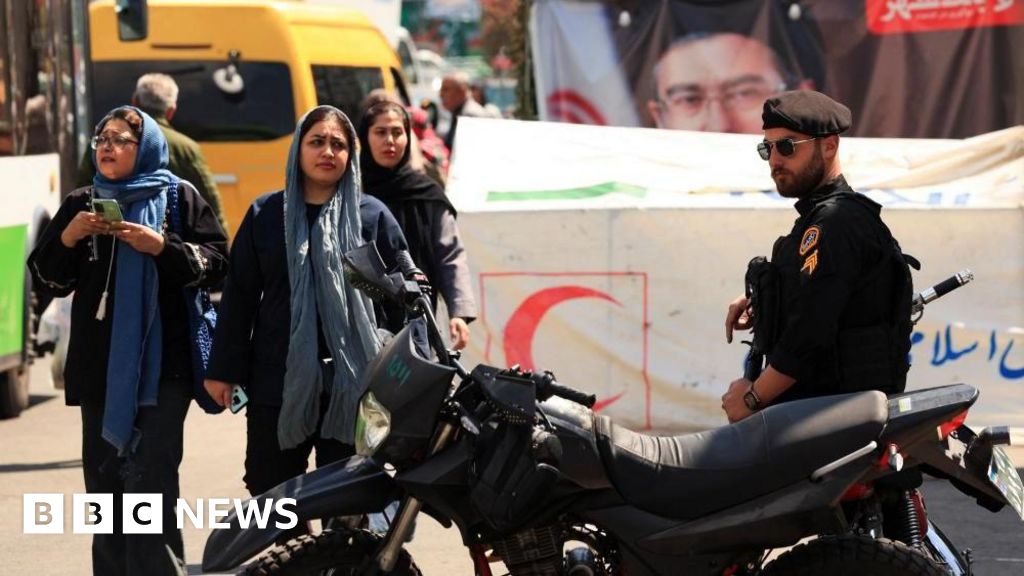
Lebanon Ceasefire Amid US Blockade on Iran
Israel and Lebanon entered a 10-day ceasefire as a U.S. naval blockade on Iran took hold, sharply escalating tensions across an already volatile Middle East.
Global Politics
Iran's Fragile Ceasefire
With Iran's ceasefire nearing its end, uncertainty mounts over stalled US-Iran negotiations and the fragile prospects for lasting Middle East stability ahead.

Global Politics
Iran's Warning
Iran warns a U.S. blockade in the Strait of Hormuz could collapse a fragile ceasefire, threatening regional stability and the security of global oil supplies.

Conflict & Security
Drone Warfare Killing Aid Workers at Unprec
Over 1,000 humanitarian workers killed in three years as cheap armed drones collapse legal protections. Gaza, Sudan, Ukraine, and DRC see deliberate targeting of aid convoys and hospitals with zero prosecutions.