Trump's Security Risks After Dinner Shooting
Analyzing the impact of a shooting on Trump's public schedule
Model Diplomat3 min readUnited States
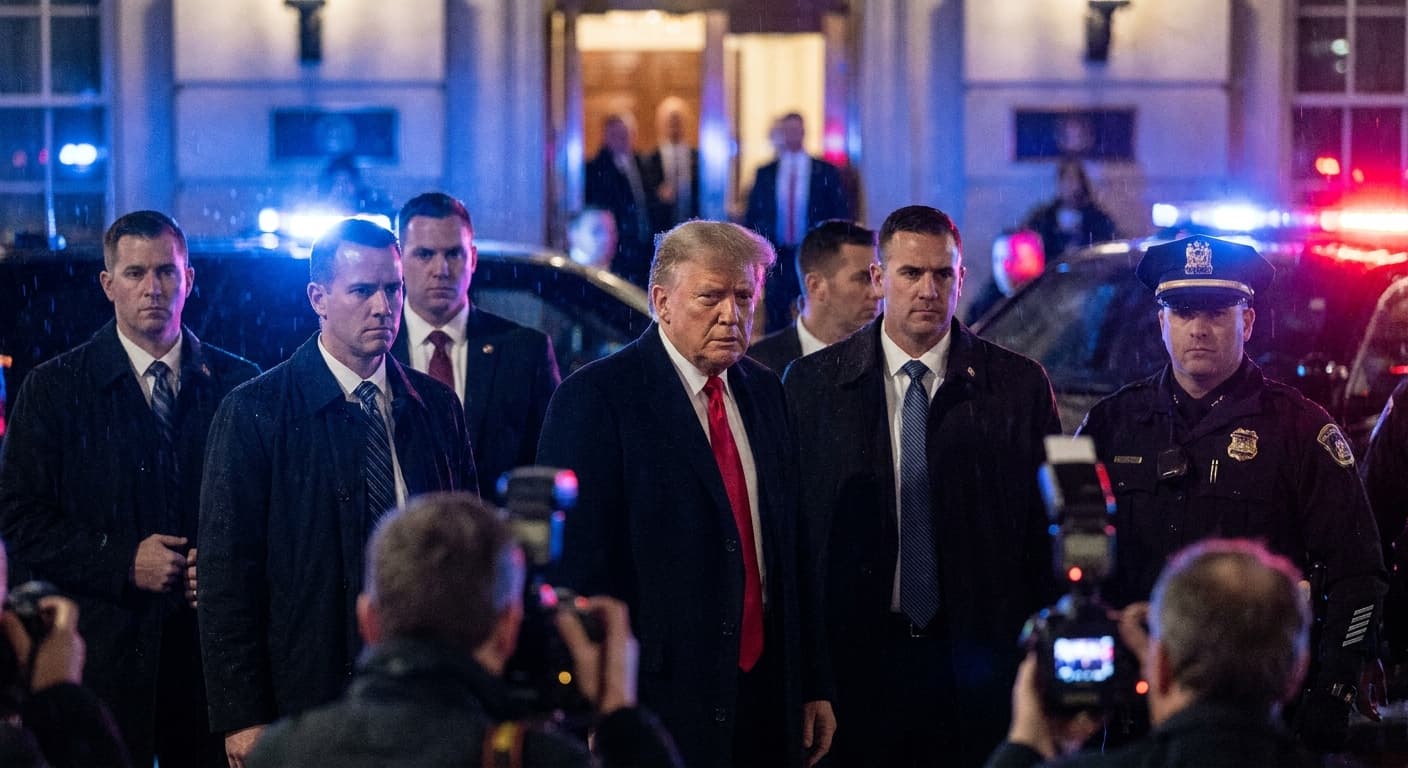
Trump's Exposed Calendar: How the Dinner Shooting Reshapes His Security Calculus
A gunman at the White House Correspondents' Dinner — potentially the third attempt on Trump in under two years — now forces a hard look at an unusually public presidential schedule.
A 31-year-old California teacher, Cole Tomas Allen, charged a security checkpoint at the White House Correspondents' Dinner on the night of April 25–26, fired at security personnel, briefly exchanged gunfire with Secret Service agents, and was arrested near a staircase leading to the main ballroom. Investigators say Allen left a note stating he intended to target administration officials. Trump was rushed to safety. No one was killed.
The incident is already prompting federal security planners to reassess the president's upcoming schedule — and that schedule is, by historical standards, unusually exposed.
A Third Attempt, a Unique Problem
If intent is confirmed, this marks what CNN's analysts describe as a potential third assassination attempt against Trump in under two years — following the Butler, Pennsylvania shooting in July 2024 and a second foiled plot months later. The pattern matters operationally: each incident has targeted a different venue type, forcing the Secret Service to repeatedly recalibrate its threat model rather than harden a single known environment.
The problem now is the forward calendar. Trump is expected to attend UFC 327 in Miami at the Kaseya Center — a 20,000-seat arena — with Dana White having confirmed his presence publicly. The 2026 FIFA World Cup, co-hosted by the United States, opens this summer and Trump has signaled he intends to be a visible presence at marquee matches. These are not controlled Rose Garden appearances. They are massive public venues with tens of thousands of attendees, complex access perimeters, and — in the case of the World Cup — significant international logistics and foreign nationals in attendance.
The Correspondents' Dinner, by contrast, was a ticketed, vetted, seated dinner in a hotel ballroom. Allen still got close enough to fire.
Who Bears the Pressure
The Secret Service faces the sharpest institutional scrutiny. The agency is already operating under congressional oversight following the Butler failures, and a second high-profile breach — even one that ended in rapid arrest — compounds that pressure. Director Sean Curran will face questions about whether checkpoint procedures at semi-public events are adequate when a determined attacker is willing to fire at agents directly.
Event organizers and venue operators — from the UFC's Dana White to FIFA's local organizing committees — now hold secondary leverage in security negotiations. Expect requests for expanded exclusion zones, earlier venue lockdowns, and more intrusive credentialing. Each concession increases cost and operational complexity for the host organizations.
Trump himself benefits politically from continued high-visibility appearances — the UFC crowd, the World Cup stage. Withdrawing from them carries its own cost. His public statement suggested he'd resume the Correspondents' Dinner within 30 days, signaling no retreat from public exposure. That posture puts the security burden squarely on the protective detail, not the principal.
What to Watch
The next hard date is UFC 327 in Miami — the first major test of whether revised protocols can hold at an open-arena event. Watch whether the Secret Service requests venue layout changes, early crowd lockout procedures, or — the most significant signal — whether Trump's attendance is quietly confirmed only hours before the event, limiting the targeting window.
Longer term, the World Cup's multinational security coordination, involving foreign intelligence services and local law enforcement across multiple cities, will be the true stress test. The Correspondents' Dinner showed that vetted, enclosed venues are not bulletproof. The question for US Politics in the months ahead is whether a president committed to maximum visibility can be protected in venues built for spectacle, not security.
The United States has never protected a sitting president through a summer with this many scheduled mass-attendance events. It is about to find out what that costs.
Discover more
Global Politics
Trump's Conflicting Messages on Iran War
Trump's mixed messages on Iran reflect a strategy of audience management, benefiting Tehran amid a complex geopolitical landscape.

Conflict & Security
Drone Warfare Killing Aid Workers at Unprec
Over 1,000 humanitarian workers killed in three years as cheap armed drones collapse legal protections. Gaza, Sudan, Ukraine, and DRC see deliberate targeting of aid convoys and hospitals with zero prosecutions.
Global
World Normalises Taliban as Afghan Women Eras
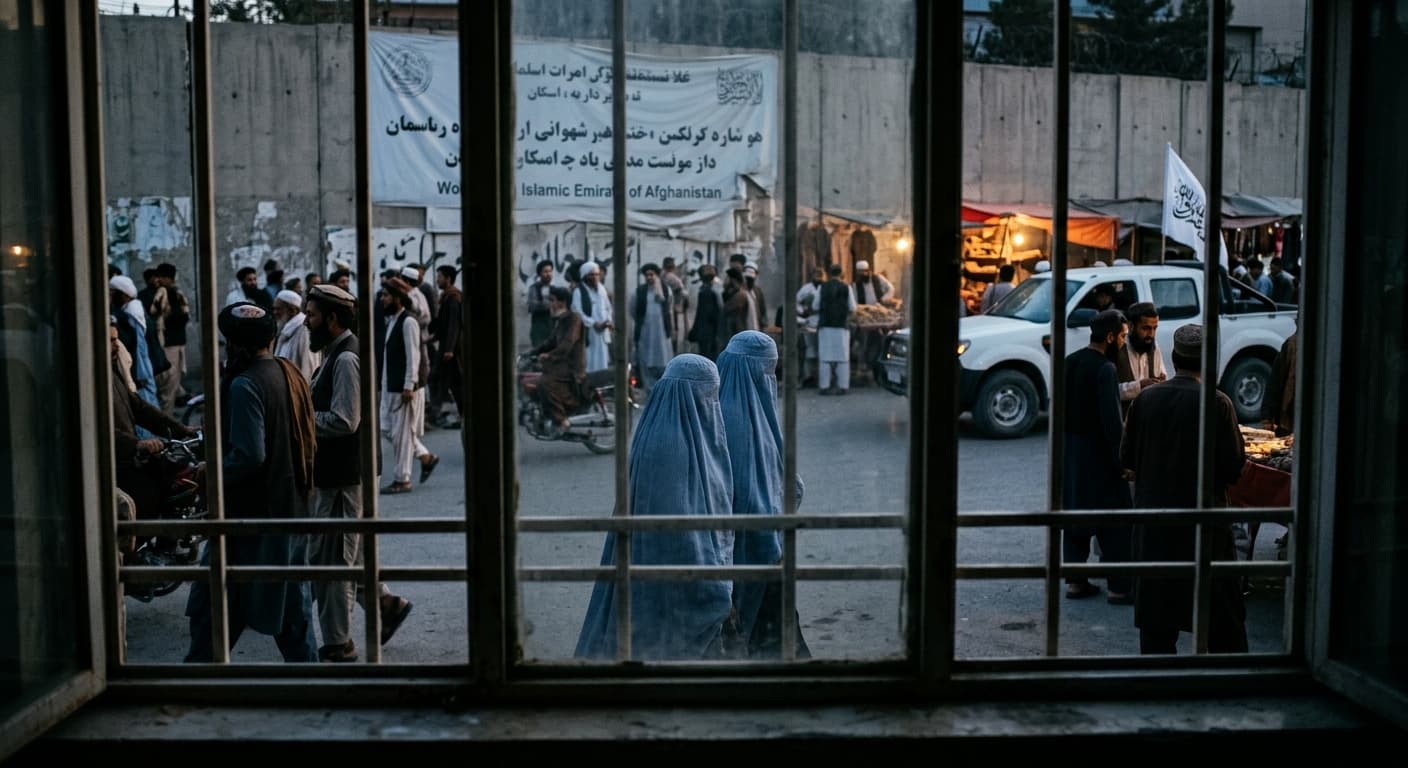
UN data shows Afghan women erased from public life as Russia recognises the Taliban, EU hosts officials in Brussels, and ICC warrants for gender persecution go unenforced.
Conflict & Security
West Africa Food Crisis: Three Shocks in 2026
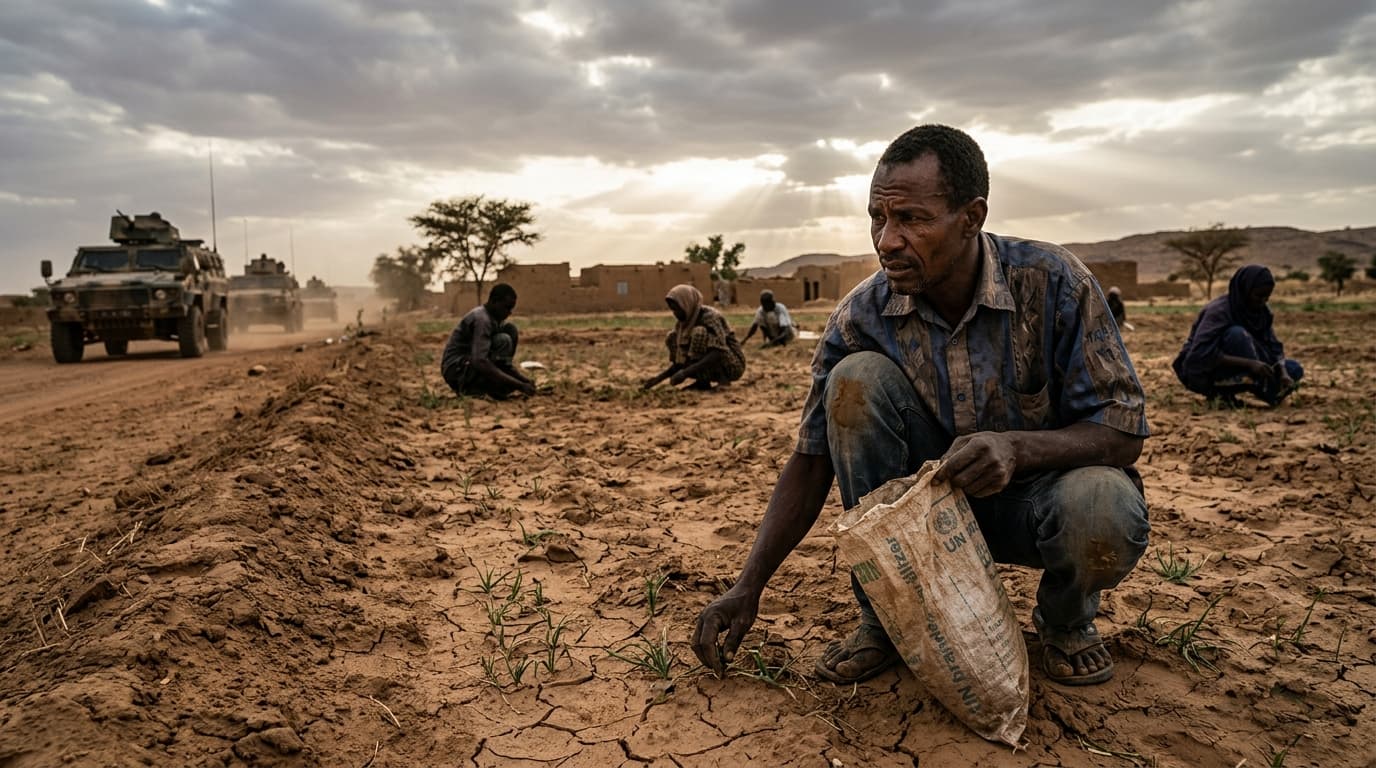
Conflict, climate extremes, and the Strait of Hormuz closure drive a severe food crisis in West and Central Africa, with fertilizer prices surging 80% and millions displaced.