Trump's New Strategy
The White House shifts to less visible immigration enforcement tactics.
Model Diplomat3 min readNorth America
Trump Quiets ICE Crackdown Without Easing the Goal
The White House is swapping headline raids for lower-visibility enforcement, keeping deportation pressure high while cutting political exposure.
Trump is not backing away from immigration enforcement; he is changing the delivery system. After major operations drew intense attention, the administration has recalibrated toward a quieter strategy, according to AP’s latest reporting on the crackdown’s next phase. Trump recalibrates immigration crackdown with quieter strategy | AP News The power dynamic is clear: the White House still controls the tempo, but it now appears to prefer methods that generate arrests without generating the same volume of footage, protests, and legal scrutiny.
Why the White House changed course
The evidence points to a tactical reset, not a retreat. A Washington Post/AP analysis found that ICE arrests fell nearly 12% after an internal shake-up, signaling a reduction in visible enforcement pressure without any clear abandonment of the broader deportation push. A sudden shift: ICE arrests drop nearly 12% after Minneapolis killings and immigration shake-up - The Washington Post
What replaces spectacle is bureaucracy. Reuters reported that ICE arrested more than 800 people through February 2026 after receiving tips from the Transportation Security Administration, which shared records on more than 31,000 travelers via the Secure Flight system. ICE arrested more than 800 people after tips from TSA That is the deeper shift: from high-visibility sweeps to enforcement embedded in federal data flows, airports, and routine administrative contact points.
Who benefits from quieter enforcement
Trump benefits politically if enforcement remains aggressive but less theatrical. A lower-profile model can still satisfy demands for removals while reducing the backlash that follows images of large raids. For ICE, quieter enforcement is potentially more scalable because it relies on institutional access and interagency cooperation, not just labor-intensive operations.
The people who lose are those easiest to reach through those systems: migrants traveling domestically, checking in with authorities, or moving through routine bureaucratic channels. Critics also have evidence that the recalibration may be more rhetorical than substantive. The Washington Post reported in April that, despite signals of a more targeted approach, ICE was still arresting many immigrants with no criminal record. ICE still arrests many immigrants with no criminal record, data shows - The Washington Post
That makes this a consequential US Politics story, not just an immigration one: the administration may be proving that in the
United States, enforcement can be made both less visible and harder to track.
What to watch next
The next real signal is data, not rhetoric. USA Today reported that ICE has delayed publishing key detention statistics since February 12, even though the detained population had risen above 70,000 in late January, roughly 80% higher than a year earlier. ICE delays publishing key immigration data. How to track it. If transparency remains thin while arrests shift further into airports, hearings, and database-driven targeting, the administration will have found a more durable model: less visible than raids, but not meaningfully less coercive. The next decision point is whether ICE’s published numbers confirm that the 12% decline was temporary — or the start of a quieter enforcement doctrine.
Discover more
Global Politics
Trump's Conflicting Messages on Iran War
Trump's mixed messages on Iran reflect a strategy of audience management, benefiting Tehran amid a complex geopolitical landscape.

Conflict & Security
Drone Warfare Killing Aid Workers at Unprec
Over 1,000 humanitarian workers killed in three years as cheap armed drones collapse legal protections. Gaza, Sudan, Ukraine, and DRC see deliberate targeting of aid convoys and hospitals with zero prosecutions.

Global
World Normalises Taliban as Afghan Women Eras
UN data shows Afghan women erased from public life as Russia recognises the Taliban, EU hosts officials in Brussels, and ICC warrants for gender persecution go unenforced.
Conflict & Security
West Africa Food Crisis: Three Shocks in 2026
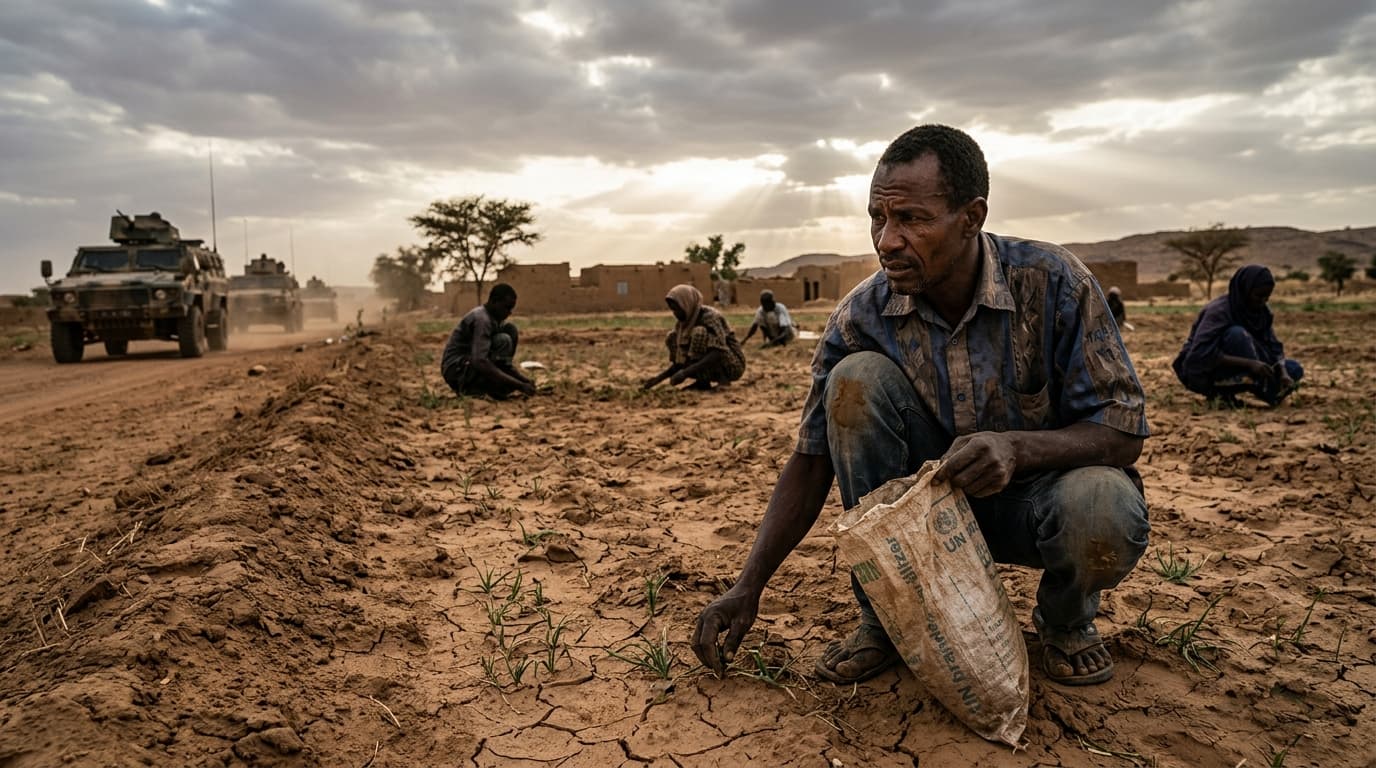
Conflict, climate extremes, and the Strait of Hormuz closure drive a severe food crisis in West and Central Africa, with fertilizer prices surging 80% and millions displaced.