Iran Port Blockade
Exploring the implications of the U.S. blockade on Iran's ports
Model Diplomat3 min readMiddle East

Iran Port Blockade Gives Trump Leverage, Not Control
Washington is squeezing Iran’s oil lifeline, but Tehran still holds the chokepoint that can turn maritime pressure into a wider energy shock.
Washington holds the immediate coercive lever: a naval blockade on Iranian ports that President Donald Trump kept in place even as he extended a ceasefire, while Tehran said on May 1 that the U.S. “ports siege” is intolerable and Trump weighed further action. Iran war live: Tehran says US ports siege ‘intolerable’; Trump mulls action
Trump announces extending Iran ceasefire but says blockade remains The U.S. aim is clear: cut Iran’s export earnings and force concessions at the table. Iran’s aim is equally clear: make the blockade too costly—militarily, diplomatically, and economically—for the U.S. to sustain.
US blockade of Iran will be major military endeavor, experts say
What does a US naval blockade of Iran mean for oil flows?
Why the blockade matters
The blockade began on April 13 and applies to ships entering or leaving Iranian ports along the Gulf and Gulf of Oman, turning maritime pressure into an open-ended military operation rather than a sanctions-only campaign. US blockade of Iran will be major military endeavor, experts say Reuters reported the move could keep roughly 2 million barrels per day of Iranian crude off the market; Iran exported 1.84 million bpd in March and about 1.71 million bpd so far in April.
What does a US naval blockade of Iran mean for oil flows?
That gives Trump real leverage. It also creates losers well beyond Iran: shipowners, insurers, and Asian importers now face interdiction risk, while third countries are already getting pulled in—India protested after two Indian-flagged vessels were shot at during the Hormuz standoff. Iran closes Strait of Hormuz again over US blockade of its ports For the
United States, this is leverage with carrying costs.
Why Tehran still has a veto
Iran does not control the blockade, but it still holds the sharper spoiler. The Strait of Hormuz carries about 20% of global oil flows, and Iran has already moved more than once in April to close or tightly control the waterway in response to the blockade. US blockade of Iran will be major military endeavor, experts say
What to know about US-Iran standoff over the Strait of Hormuz That is why the U.S. has escalation dominance at Iran’s ports but not full control over the crisis. Iran can still threaten everyone else’s shipping. Markets noticed: Reuters said Brent jumped about 8% to roughly $102.80 after Trump’s blockade threat.
Trump returns to weary and failing playbook with Hormuz blockade threat
What to watch next
The historical warning is the 1980s Tanker War: once maritime coercion expands, navies get tied down protecting commercial traffic, not just punishing an adversary. During Operation Earnest Will in 1987, the U.S. reflagged and escorted Kuwaiti tankers with a large naval commitment. Iran-Iraq Tanker War redux? Why the Strait of Hormuz crisis is different This crisis is starting one step earlier—with direct interdiction—so the next decision point is whether Washington moves from blockade signaling to routine boarding, seizure, and possible strikes.
US blockade of Iran will be major military endeavor, experts say
Trump blockade on Iran veers from what he's done in the past
Across Global Politics, the signal is simple: Trump now owns the pressure tool, but Tehran still owns the quickest route to a regional energy shock. Watch the next U.S. rules of engagement, any movement in the Islamabad ceasefire channel, and whether Iran again tightens passage through Hormuz.
Trump announces extending Iran ceasefire but says blockade remains
Discover more

Global Politics
US Seizes Iranian Ship, Tensions Surge
The US seizure of the Iranian ship Touska highlights a shift in control over the Strait of Hormuz, favoring Iran's strategic position.

Conflict & Security
Drone Warfare Killing Aid Workers at Unprec
Over 1,000 humanitarian workers killed in three years as cheap armed drones collapse legal protections. Gaza, Sudan, Ukraine, and DRC see deliberate targeting of aid convoys and hospitals with zero prosecutions.

Global
World Normalises Taliban as Afghan Women Eras
UN data shows Afghan women erased from public life as Russia recognises the Taliban, EU hosts officials in Brussels, and ICC warrants for gender persecution go unenforced.
Conflict & Security
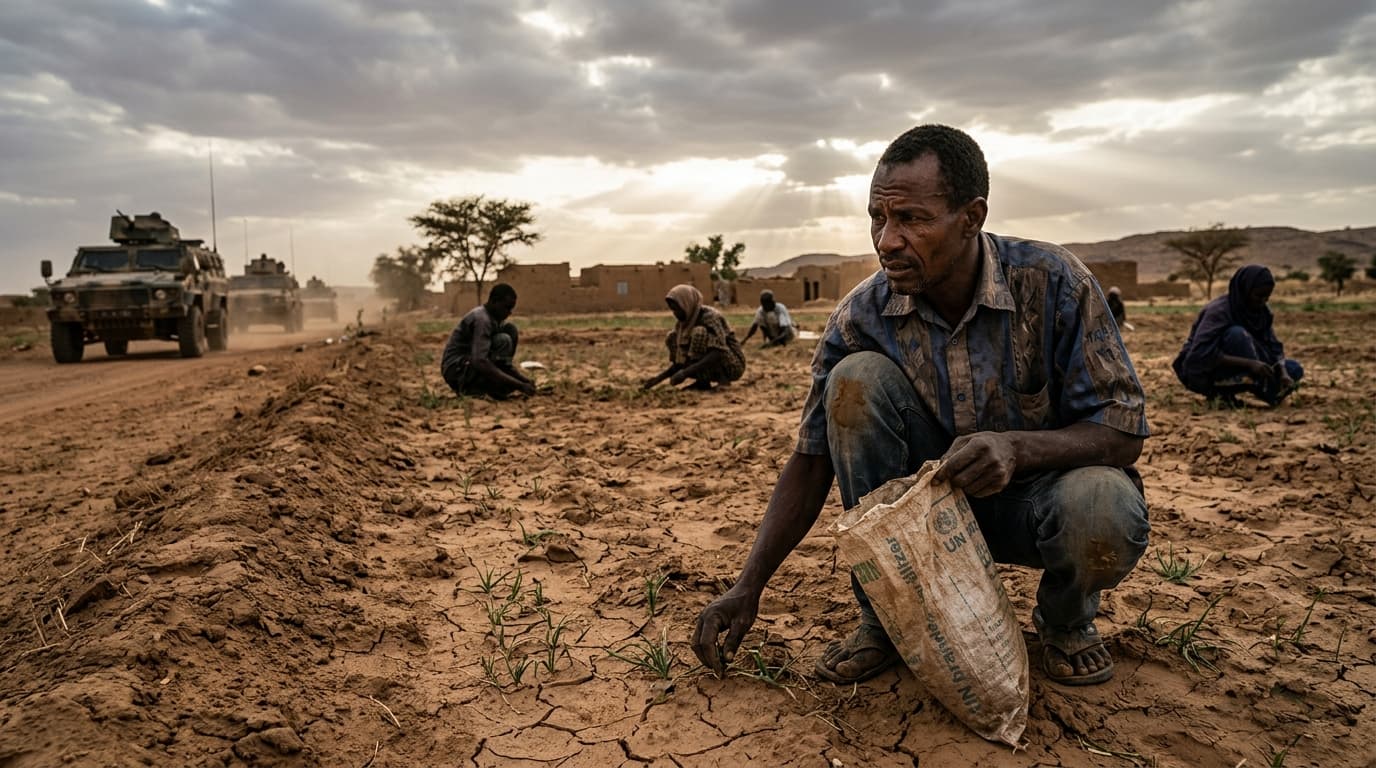
West Africa Food Crisis: Three Shocks in 2026
Conflict, climate extremes, and the Strait of Hormuz closure drive a severe food crisis in West and Central Africa, with fertilizer prices surging 80% and millions displaced.