Trump's Media Truce
A shooting at a gala reshapes Trump-press dynamics.
Model Diplomat3 min readUnited States
Trump's Media Truce Is Built on a Body Count
A shooting at the White House Correspondents' Dinner forced a rare détente between Trump and the press — but the terms favor the White House.
On the night of April 25, a gunman opened fire at the White House Correspondents' Dinner in Washington. Cole Tomas Allen, a 31-year-old California teacher, fired one or two shots near a ballroom staircase before Secret Service took him into custody. Investigators found a note indicating he targeted Trump administration officials. No senior officials were hit, but the attack convulsed Washington's press-politics ecosystem at its most symbolic annual gathering — and handed Trump a moment he is exploiting with precision.
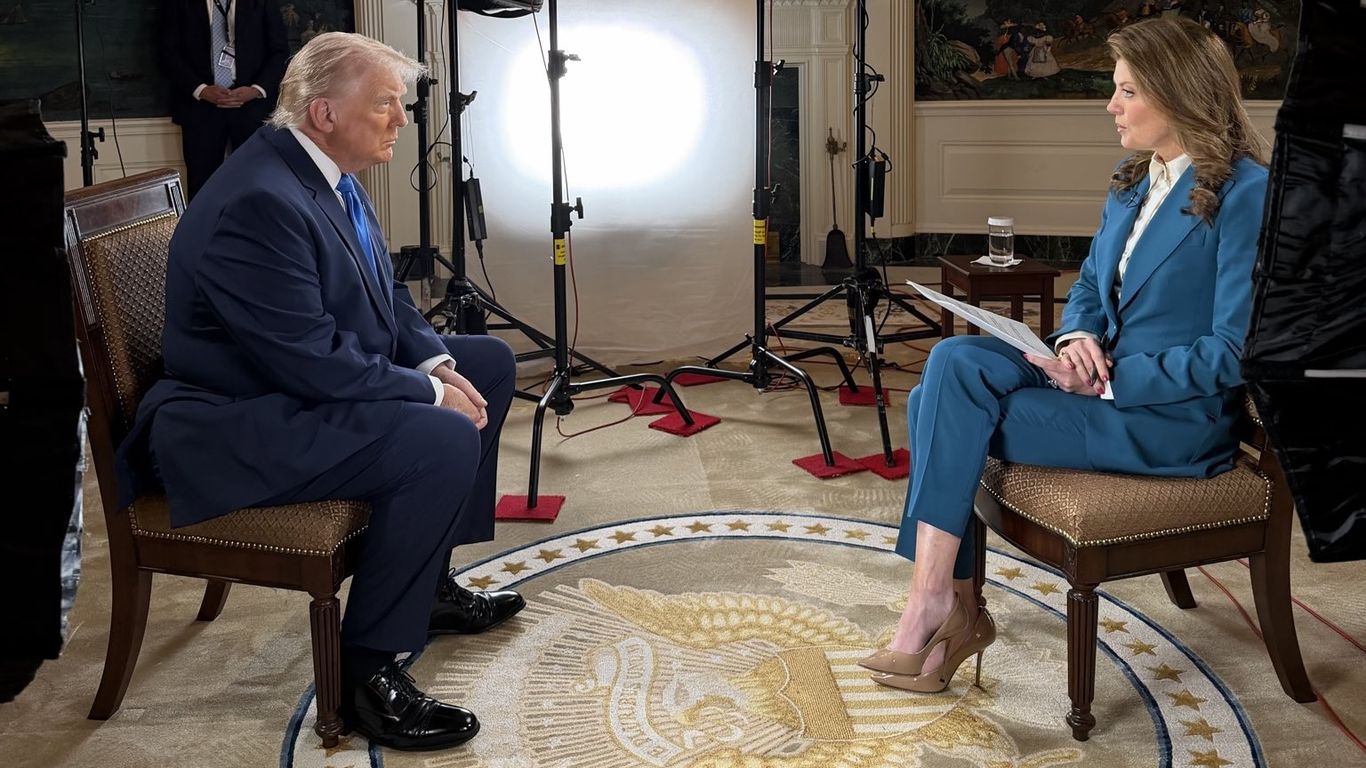
The "24-hour truce" is the downstream effect: a brief suspension of the permanent war between the Trump White House and the mainstream media, brokered not by negotiation but by shared trauma. Trump sat for a 60 Minutes interview with CBS's Norah O'Donnell — a journalist he had previously called "a disgrace" — within hours of the shooting. The same interview turned combustible when O'Donnell read from Allen's manifesto, which referenced Trump directly; Trump pushed back hard, but the very fact of the sit-down signals something worth noting.
Who Holds the Leverage
Trump does. The shooting lets him reframe the media-hostility narrative: the press is no longer just his adversary, it's a venue that attracts political violence directed at his people. That's a powerful reorientation. The White House can now claim moral equivalence — or moral superiority — in any future clash with correspondents, editors, or network executives.
The White House Correspondents' Association enters this dynamic significantly weakened. The dinner is its flagship event — the annual assertion that a free press and the executive branch can coexist in the same room. A shooting on that floor is an institutional wound. The WHCA needs the relationship with the White House more than it did 48 hours ago.
What the "Truce" Actually Costs
Temporary civility between Trump and the press is not new — it surfaces after tragedies, disasters, and national security moments, then evaporates. The more telling data point: Trump used the 60 Minutes platform not to unify but to relitigate. His denials about Epstein-related allegations and his attack on O'Donnell's professionalism during the interview confirm that the truce is tactical, not structural.
The beneficiary of any prolonged détente is the Trump communications apparatus, which gets softer coverage during a period when the administration faces mounting scrutiny on trade policy, the Iran conflict, and executive overreach. The loser is investigative journalism — a normalized, warmer relationship between networks and the White House creates institutional pressure against adversarial reporting.
What to Watch Next
Three things to track: First, whether the WHCA moves the 2027 dinner format in response to security concerns — a scaled-back or relocated event would represent a lasting institutional concession. Second, how long CBS's editorial posture toward Trump softens following the 60 Minutes interview; network behavior in the next 30 days will be the tell. Third, the Allen prosecution: if his manifesto's anti-Trump-official content is amplified in court proceedings, expect the White House to weaponize it against political opponents it links to "rhetoric."
The truce expires when the next news cycle demands it — likely within days. The power asymmetry it revealed will last longer.
Discover more
Global Politics
Trump's Conflicting Messages on Iran War
Trump's mixed messages on Iran reflect a strategy of audience management, benefiting Tehran amid a complex geopolitical landscape.

Conflict & Security
Drone Warfare Killing Aid Workers at Unprec
Over 1,000 humanitarian workers killed in three years as cheap armed drones collapse legal protections. Gaza, Sudan, Ukraine, and DRC see deliberate targeting of aid convoys and hospitals with zero prosecutions.

Global
World Normalises Taliban as Afghan Women Eras
UN data shows Afghan women erased from public life as Russia recognises the Taliban, EU hosts officials in Brussels, and ICC warrants for gender persecution go unenforced.
Conflict & Security
West Africa Food Crisis: Three Shocks in 2026
Conflict, climate extremes, and the Strait of Hormuz closure drive a severe food crisis in West and Central Africa, with fertilizer prices surging 80% and millions displaced.

