Trump's Iran Talks Amid Strait of Hormuz Ties
Tensions rise as Trump hints at renewed Iran negotiations.
Model Diplomat2 min readMiddle East
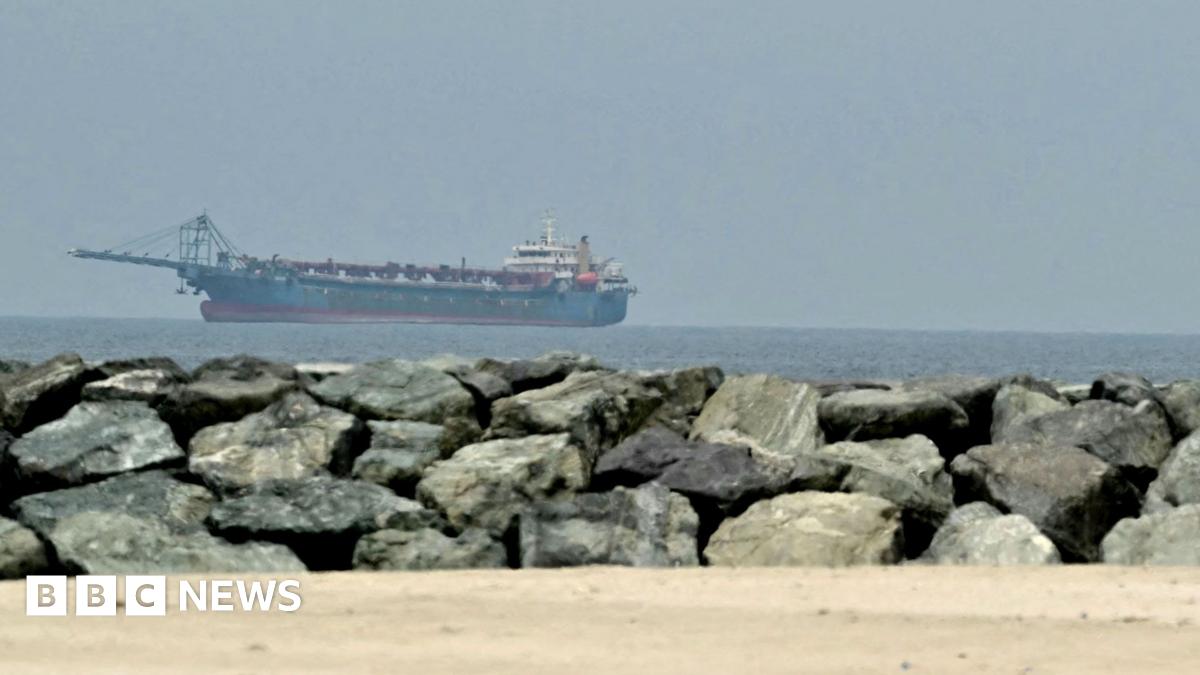
Trump Signals Possible Iran Talks Amid U.S. Strait of Hormuz Blockade
President Trump says Iran negotiations could resume within days as the U.S. enforces a blockade in the strategic Strait of Hormuz, intensifying regional volatility.
U.S. Blocks Shipping Near Strait of Hormuz, Iran Talks on the Table
President Donald Trump announced a naval blockade targeting Iranian ports and restricted ships passing through the Strait of Hormuz, a critical chokepoint responsible for about 20% of global oil shipments. This move comes amid escalating U.S.-Iran tensions following years of rivalry and the U.S. withdrawal from the 2015 Iran nuclear deal under Trump’s administration.
Despite this aggressive posture, Trump has also indicated that diplomatic talks might resume “over the next two days.” This suggests a complex U.S. strategy blending military pressure with an olive branch for negotiation—likely designed to bring Iran back to the negotiating table under Washington’s terms.
Why the Blockade Matters More Than It Looks
The Strait of Hormuz blockade is a high-stakes gambit. Historically, the U.S. has deployed naval forces in the Gulf to ensure free passage of oil and to deter Iranian threats, but a direct blockade signifies a significant escalation that risks rapid military confrontation.
Oil markets react instantly to such moves. Disruptions or even threats to the roughly 18-20 million barrels of oil passing daily through the strait can spike global prices and strain economies dependent on Middle Eastern energy. This move also signals to U.S. allies, notably in Europe and Asia, that Washington is prepared to unilaterally enforce its Iran policy despite diplomatic alienation from some partners who favor re-engagement with Tehran.
More broadly, a blockade could isolate Iran economically but risks also rallying nationalist support for Iran’s hardliners, who may double down on missile tests and proxy conflicts in Iraq, Syria, and Yemen instead of seeking compromise. The tightrope for the U.S. is ensuring pressure without provoking full-scale conflict.
What This Means for U.S.-Iran Relations and Global Security
Trump’s simultaneous signals of confrontation and negotiation embody his unpredictable diplomatic style but the core challenge remains: Iran’s leadership views U.S. sanctions and military pressures as existential threats, making diplomatic breakthroughs difficult.
Watch for:
- Whether Iran reciprocates by re-engaging in talks or escalating military activity in the Gulf.
- Reactions from Europe and China, who favor diplomacy over confrontation and hold economic leverage over both Tehran and Washington.
- Global oil markets’ responses to this dual message of blockade and diplomacy, which can unsettle energy-dependent economies like India and Japan.
In sum, the U.S. blockade marks a stark escalation but Trump’s openness to talks preserves a narrow path back from the brink. This situation illustrates the perilous balancing act in international politics where military moves and diplomacy are deployed simultaneously, each shaping the chances of peace or conflict.
For deeper background on the U.S.-Iran dynamic, see our Iran profile and related
International Relations analysis.
Sources: BBC Live Coverage
Discover more
Global Politics
Hezbollah Rejects Lebanon-Israel Talks, Risks
Hezbollah's refusal to accept Lebanon-Israel talks threatens regional stability and complicates US diplomatic efforts to ease tensions across the Middle East.

US Politics
Democrats Aim to Curb Trump's Iran War Powers
US Democrats introduce measures to curb Trump's war powers on Iran, demanding congressional approval for military action in a critical test of oversight.

Conflict & Security
Drone Warfare Killing Aid Workers at Unprec
Over 1,000 humanitarian workers killed in three years as cheap armed drones collapse legal protections. Gaza, Sudan, Ukraine, and DRC see deliberate targeting of aid convoys and hospitals with zero prosecutions.

Global
World Normalises Taliban as Afghan Women Eras
UN data shows Afghan women erased from public life as Russia recognises the Taliban, EU hosts officials in Brussels, and ICC warrants for gender persecution go unenforced.