Hezbollah Rejects Lebanon-Israel Talks, Risks
Hezbollah's stance complicates Lebanon-Israel negotiations.
Model Diplomat3 min readMiddle East
Hezbollah's Rejection of Lebanon-Israel Talks Risks New Mideast Escalation
Hezbollah’s refusal to honor potential Lebanon-Israel agreements from U.S.-brokered talks challenges fragile regional diplomacy and raises stakes for conflict.
Hezbollah declared it will not recognize or abide by any outcomes from the ongoing Lebanon-Israel negotiations held under U.S. auspices. This rejection surfaces at a critical moment in the peace process aimed at resolving decades-old disputes over maritime borders and resource rights — talks integral to both countries' economic and security calculations.
Why Hezbollah’s Stance Matters
Lebanon-Israel negotiations have moved cautiously, notably under U.S. mediation, to resolve offshore gas field disputes that both sides claim. Successful agreement would unlock valuable energy exploration rights worth billions, offering Lebanon a rare economic boon amid its enduring crisis. The U.S. sees this as a diplomatic win that could stabilize the volatile border region and reduce the risk of military flare-ups.
Hezbollah’s outright dismissal complicates this picture. As Lebanon’s most potent armed non-state actor and a dominant force within its government, Hezbollah’s rejection undercuts Beirut’s negotiating authority and questions Lebanon’s ability to implement any deal. Hezbollah views Israel as an enemy, and the group’s alignment with Iranian interests further informs its hardline position.
This signals a potential fracture between Lebanon’s official diplomatic efforts and the influence of armed factions. It also suggests that any agreement lacking Hezbollah’s buy-in risks being unenforceable or sparking violent backlash. Past history shows Hezbollah’s readiness to use force to oppose initiatives it deems threatening, as seen in cross-border clashes and its 2006 war with Israel.
Broader Regional Implications
This development intensifies regional instability. Israel, wary of Hezbollah’s threats and Iranian support for the group, may regard Hezbollah’s rejection as a red line. This increases the risk that talks collapse, inviting renewed hostilities or proxy escalation between Israel and Iranian-backed entities across Lebanon and Syria.
For the Biden administration, which has pushed these talks as part of a broader Middle East engagement strategy, Hezbollah’s stance complicates diplomatic gains. It underscores the challenge of negotiating with state actors whose sovereignty is divided by powerful militias.
Israel will likely maintain readiness and could harden rhetoric or military postures if it perceives Lebanon as unable or unwilling to control Hezbollah. Meanwhile, Lebanese officials face pressure to balance between negotiating with Israel—historically an enemy—and managing Hezbollah’s influence at home.
What to Watch Next
- Will Lebanon’s government publicly respond or attempt to rein in Hezbollah? Internal Lebanese politics will test whether state actors can stay unified in negotiations.
- How will the U.S. and Israel recalibrate their approach if Hezbollah continues to block progress? Possible increased pressure on Lebanon or new security measures are likely.
- Could Hezbollah’s position prompt Iran to escalate its regional proxy strategy elsewhere, further destabilizing the Levant?
- Monitoring ceasefire lines and border incidents will show if tensions spill over into violence.
This episode highlights the enduring complexity of Middle East diplomacy, where non-state actors wield outsized influence, and the path to peace is never straightforward.
For more on Middle East geopolitics, see Global Politics and the profiles on
Lebanon and
Israel.
Discover more
International Relations
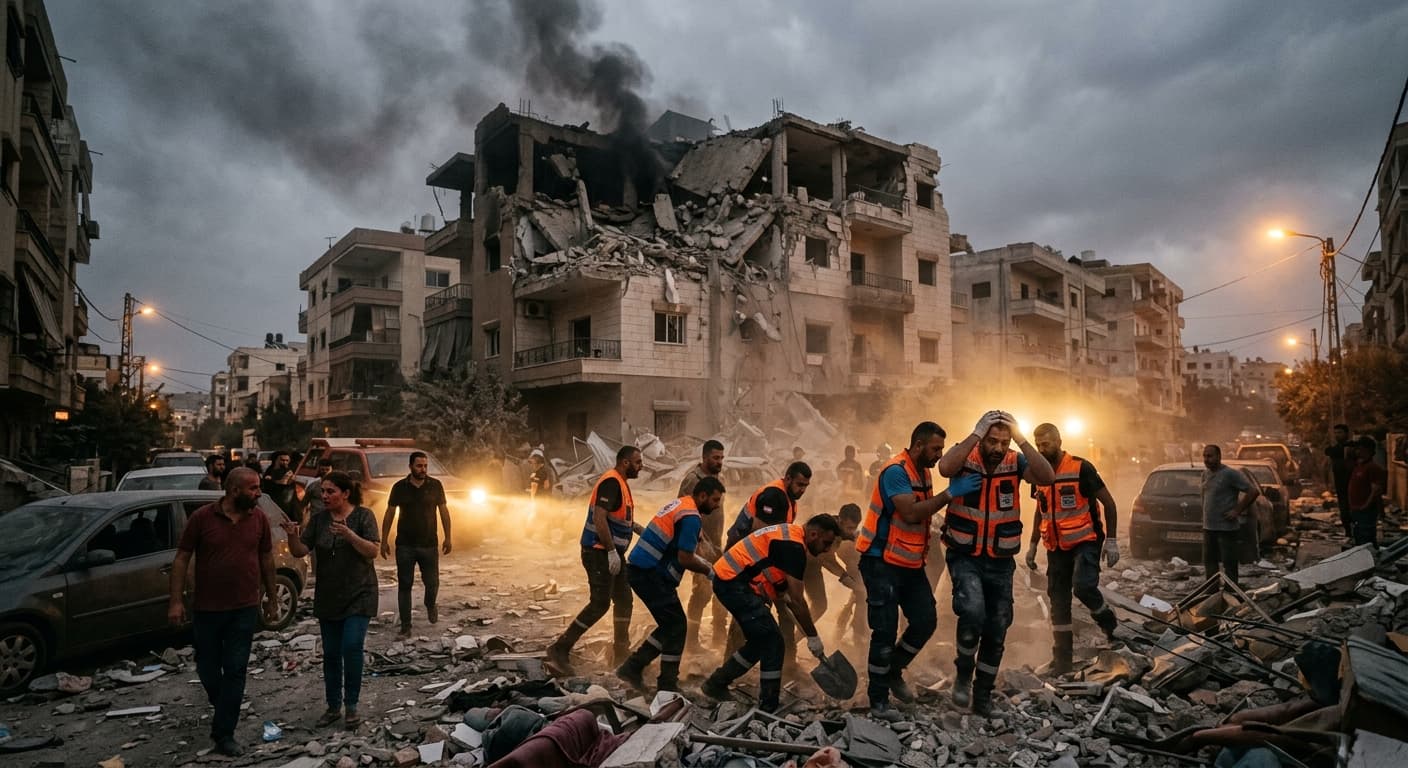
Nabatieh Ceasefire Unravels Amid Attacks
Israeli airstrikes resumed in southern Lebanon, killing 16 near Nabatieh as a fragile ceasefire with Hezbollah collapses and regional tensions escalate.

International Relations
Israel’s Lebanon Strikes: Leverage Tactics
Israel's strikes in Lebanon against Hezbollah look like a calculated bid for leverage, tying the Middle East front to wider US-Iran negotiations and bargaining.
Global Politics
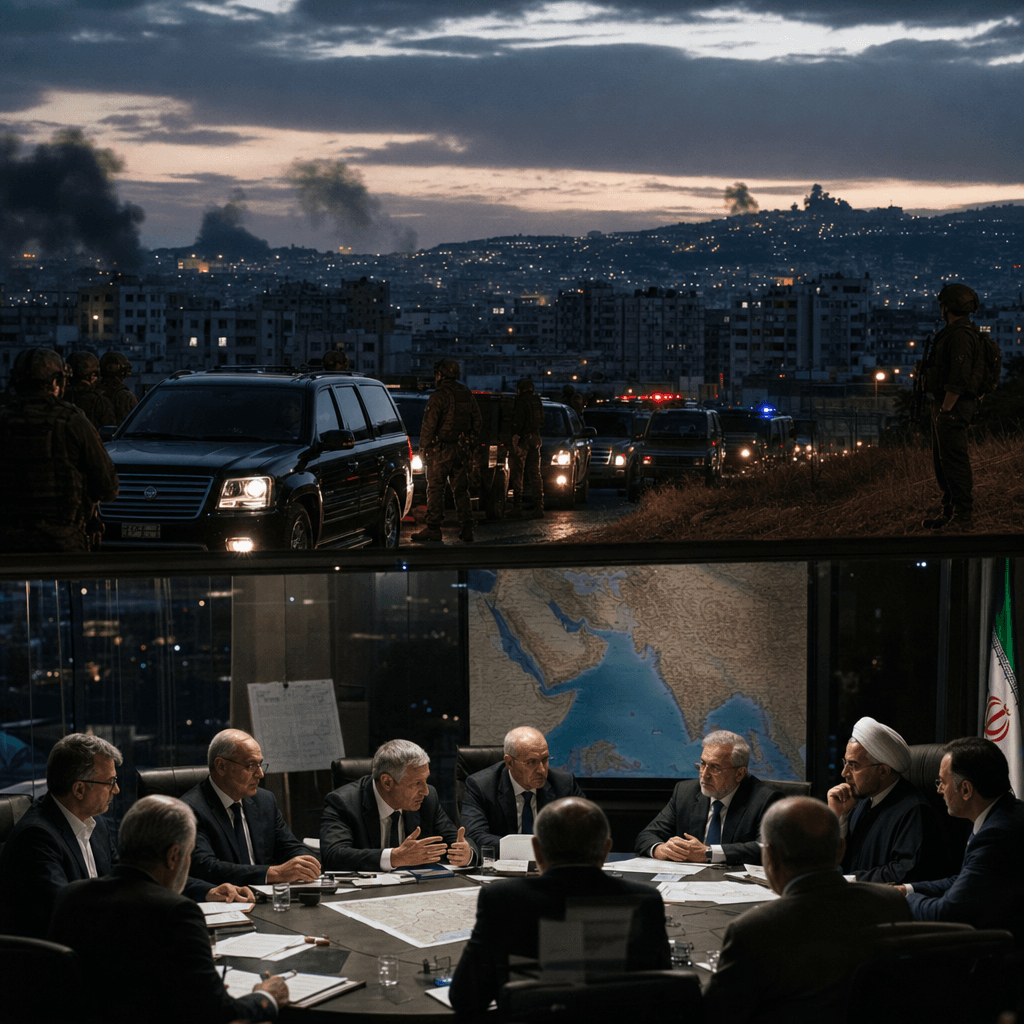
Israel's Lebanon Strategy and Iran Talks
Israel's military strategy in Lebanon against Hezbollah is raising the stakes in US-Iran nuclear talks, linking the two fronts in a high-risk diplomatic gambit.
Conflict & Security
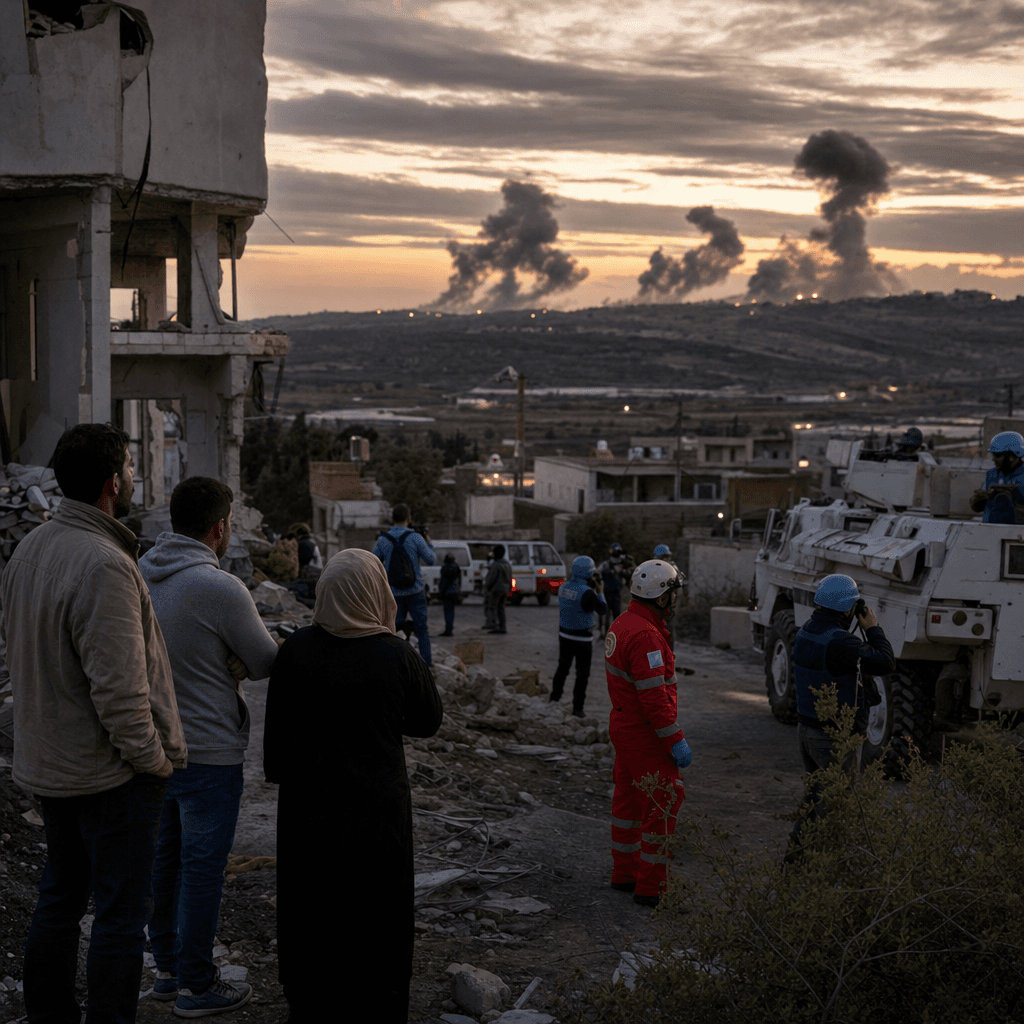
Israel Escalates Tensions in Lebanon
Israel ramps up military pressure on Lebanon in a calculated bid to reshape negotiations, raising the risk of wider escalation with Hezbollah across the region.