Trump's Iran Peace Plan
A fragile ceasefire opens a window for Middle East diplomacy.
Model Diplomat3 min readMiddle East

Trump's Iran Peace Clock: Hormuz Is the Hinge
With Brent crude near $100 and 20% of global oil offline, the Strait of Hormuz is the most expensive chokepoint since the 1973 embargo — and both sides know it.
A fragile two-week ceasefire, brokered after Pakistan mediated talks in early April, has given diplomats a narrow window to settle the most consequential Middle East conflict in decades. Trump is now reviewing Iran's 10-point peace plan — a proposal Tehran unveiled after the US-Israel military campaign struck Iranian facilities and effectively shut the Strait of Hormuz. The UN has joined a growing chorus demanding Hormuz reopen, but as of April 28, vessel traffic through the strait remains at roughly 7–10% of normal flow, with hundreds of tankers bottled up inside the Gulf.
What Iran Is Selling — and What Washington Wants
Iran's plan, mediated by Islamabad, offers a permanent end to hostilities, non-aggression commitments, and Hormuz reopening — in exchange for full US sanctions relief, Israeli strikes halted in Lebanon, and a $2 million per-ship transit fee funneled into reconstruction via Oman. It's a structurally clever package: Tehran monetizes the strait's reopening rather than simply conceding it, converting a military liability into a revenue stream.
Trump called the plan "a significant step" but "not good enough," and his own 15-point counter-framework had already been rejected by Tehran as insufficient without a permanent settlement. The asymmetry is clear: Iran wants a durable political compact; Washington wants Hormuz open now. Trump threatened strikes on civilian infrastructure — bridges, power plants — if the strait remains closed, then pulled back from that ultimatum to accept the ceasefire. That reversal signals the administration recognizes it cannot bomb its way to an open shipping lane without catastrophic energy-market blowback.
The International Relations stakes are historic. The IEA has called this the largest oil supply disruption in history — 1.5 million barrels per day offline, Brent spiking to $118 in March before settling near $95–$100 post-ceasefire, with physical North Sea grades touching $150. Jet fuel has effectively doubled. Every additional month of closure adds an estimated $10–$15 per barrel to global prices, according to NPR's market analysis.
Who Benefits, Who Bleeds
Iran has converted military vulnerability into economic leverage of a kind it has never previously held: it doesn't need to win the war, only keep the strait throttled long enough to extract political concessions. Pakistan gains rare diplomatic capital as the indispensable mediator — a significant win for Islamabad at a moment it badly needs international credibility. China and India, the primary consumers of Gulf crude, are the silent losers; both face severe import disruptions with no seat at the table.
Israel holds the complicating variable. Any deal that halts US-Israeli strikes on Lebanon is a major Israeli concession, and Netanyahu's coalition has domestic incentives to resist a settlement that leaves Hezbollah intact. The ceasefire explicitly does not cover Lebanon — a gap that could unravel the entire framework.
What to Watch Next
The two-week ceasefire window expires in mid-May. Three triggers will determine whether diplomacy holds:
- Whether Hormuz traffic recovers toward 50%+ — the threshold at which oil markets stabilize and US domestic pressure on Trump to close a deal eases.
- Israel's posture in Lebanon — resumed strikes would hand Tehran a justification to exit talks entirely.
- The Islamabad talks format — whether Iran agrees to bilateral engagement with the US or insists on multilateral cover.
Trump faces a structural bind: the energy shock is feeding inflation he cannot afford politically. Iran knows the clock matters more to Washington than to Tehran. That asymmetry — not military hardware — is the dominant power dynamic heading into May.
Sources: Gulf News ·
Reuters – ceasefire ·
Reuters – Hormuz standstill ·
Reuters – oil price compass ·
IEA via Reuters ·
NPR – Hormuz economics
Discover more

Global Politics
US Seizes Iranian Ship, Tensions Surge
The US seizure of the Iranian ship Touska highlights a shift in control over the Strait of Hormuz, favoring Iran's strategic position.

Conflict & Security
Drone Warfare Killing Aid Workers at Unprec
Over 1,000 humanitarian workers killed in three years as cheap armed drones collapse legal protections. Gaza, Sudan, Ukraine, and DRC see deliberate targeting of aid convoys and hospitals with zero prosecutions.
Global
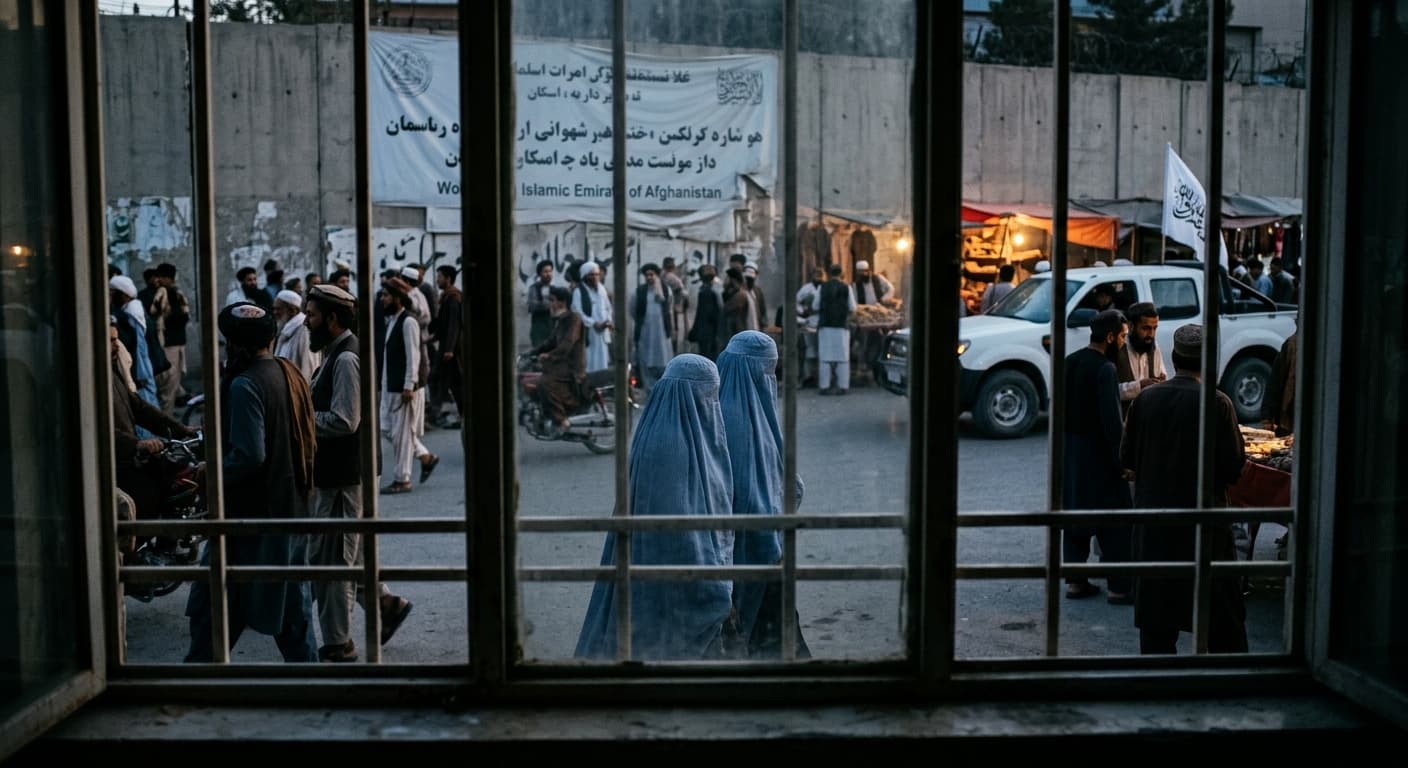
World Normalises Taliban as Afghan Women Eras
UN data shows Afghan women erased from public life as Russia recognises the Taliban, EU hosts officials in Brussels, and ICC warrants for gender persecution go unenforced.
Conflict & Security
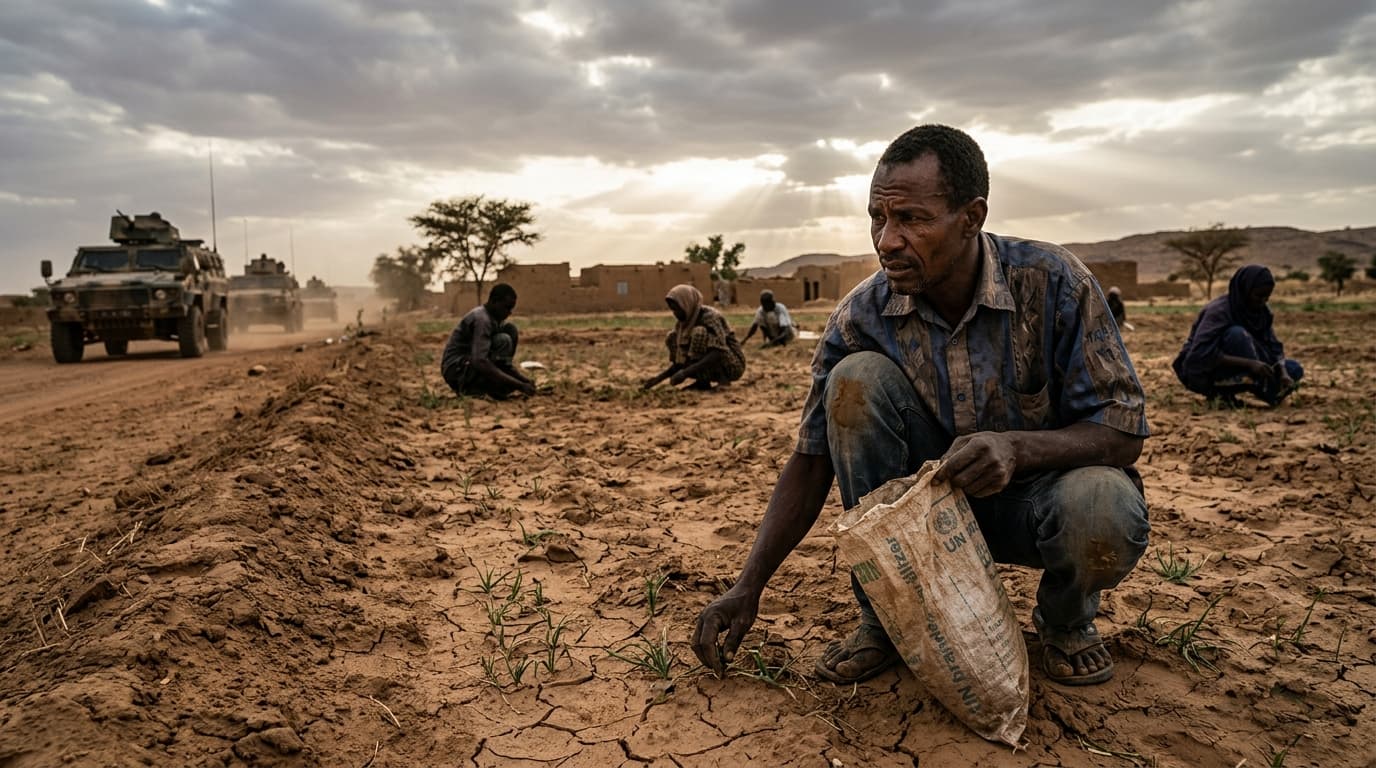
West Africa Food Crisis: Three Shocks in 2026
Conflict, climate extremes, and the Strait of Hormuz closure drive a severe food crisis in West and Central Africa, with fertilizer prices surging 80% and millions displaced.