Trump's Hormuz Gambit
Iran's grip on Hormuz escalates tensions with the U.S.
Model Diplomat3 min readMiddle East
Trump's Hormuz Gambit: Who Holds the Chokepoint Now?
Iran's reassertion of Strait of Hormuz control is the largest oil supply shock on record. Trump's "fairly soon" pledge masks a dangerous standoff with no clear exit.
Iran's Islamic Revolutionary Guard Corps Navy effectively closed the Strait of Hormuz following a U.S.-Israeli military campaign against Iran, cutting off a waterway that carries roughly 20% of global oil and LNG shipments. On April 10, President Trump told reporters the U.S. would have it open "fairly soon" — with or without Tehran's cooperation. By April 18, Iran had reversed a brief, ceasefire-linked reopening, reasserting full control and warning that any vessel attempting passage without clearance would be targeted.
The Leverage Map
Iran holds the physical chokepoint. The U.S. holds Iran's port exits — a naval blockade cutting off approximately 1.7–1.84 million barrels per day of Iranian oil exports. Neither side has a clean off-ramp.
Tehran's calculation is straightforward: a closed Hormuz costs Washington's Gulf allies — Saudi Arabia, the UAE, Kuwait, Iraq — more than it costs Iran, which is already sanctioned into alternative smuggling routes. The IRGC has seized two vessels and warned of "shoot and kill" responses to unauthorized transits. Iran is also reportedly floating a proposal to charge passage fees under any eventual deal — a precedent the U.S. and UN shipping bodies have flatly rejected.
Trump's leverage is less kinetic than it appears. The U.S. has pressed NATO allies for concrete commitments to strait security, with limited uptake. The IEA has coordinated a record 400 million barrel emergency stock release to blunt the price spike, but Brent crude still hovered near $95–$99/barrel after the shock — down from a near-record $150 earlier in the crisis, but far above pre-war levels. With U.S. gas prices rising heading into a political cycle, the domestic clock is ticking for the White House.
Who Wins, Who Bleeds
Immediate losers: Japan, South Korea, and India — whose refinery systems depend on Gulf crude — absorb the sharpest terms-of-trade hit. Qatar's LNG exports, roughly a fifth of global supply, are also severely constrained, hammering European energy buyers who spent two years diversifying away from Russia. The disruption already eclipses the 1973 Arab oil embargo in daily barrel terms.
Unexpected beneficiary: U.S. LNG exporters and shale producers, facing record spot demand from energy-starved allies pivoting away from Middle East supply. The conflict dynamics that look disastrous for global markets quietly extend American energy market share.
Iran's position is militarily weakened but diplomatically not isolated — China holds roughly 100 million barrels of Iranian crude in floating offshore storage, giving Beijing a quiet stake in the standoff's resolution on terms favorable to Tehran.
What to Watch
Diplomacy stalled in Islamabad this week after Iranian Foreign Minister Abbas Araqchi traveled there for talks that collapsed without agreement. The next critical window is whether a revised ceasefire framework can be tabled before IEA emergency stocks begin to run thin — analysts estimate 60–90 days before strategic reserves provide diminishing price relief.
Watch the China variable. Beijing's willingness to either pressure Tehran or absorb more Iranian crude under the blockade will determine whether the standoff becomes a prolonged war of economic attrition — or breaks toward a deal. On global energy politics, this is the pressure point that matters most right now.
Discover more

Global Politics
US Seizes Iranian Ship, Tensions Surge
The US seizure of the Iranian ship Touska highlights a shift in control over the Strait of Hormuz, favoring Iran's strategic position.
Global Politics
Trump's Conflicting Messages on Iran War
Trump's mixed messages on Iran reflect a strategy of audience management, benefiting Tehran amid a complex geopolitical landscape.

Conflict & Security
Drone Warfare Killing Aid Workers at Unprec
Over 1,000 humanitarian workers killed in three years as cheap armed drones collapse legal protections. Gaza, Sudan, Ukraine, and DRC see deliberate targeting of aid convoys and hospitals with zero prosecutions.
Global
World Normalises Taliban as Afghan Women Eras
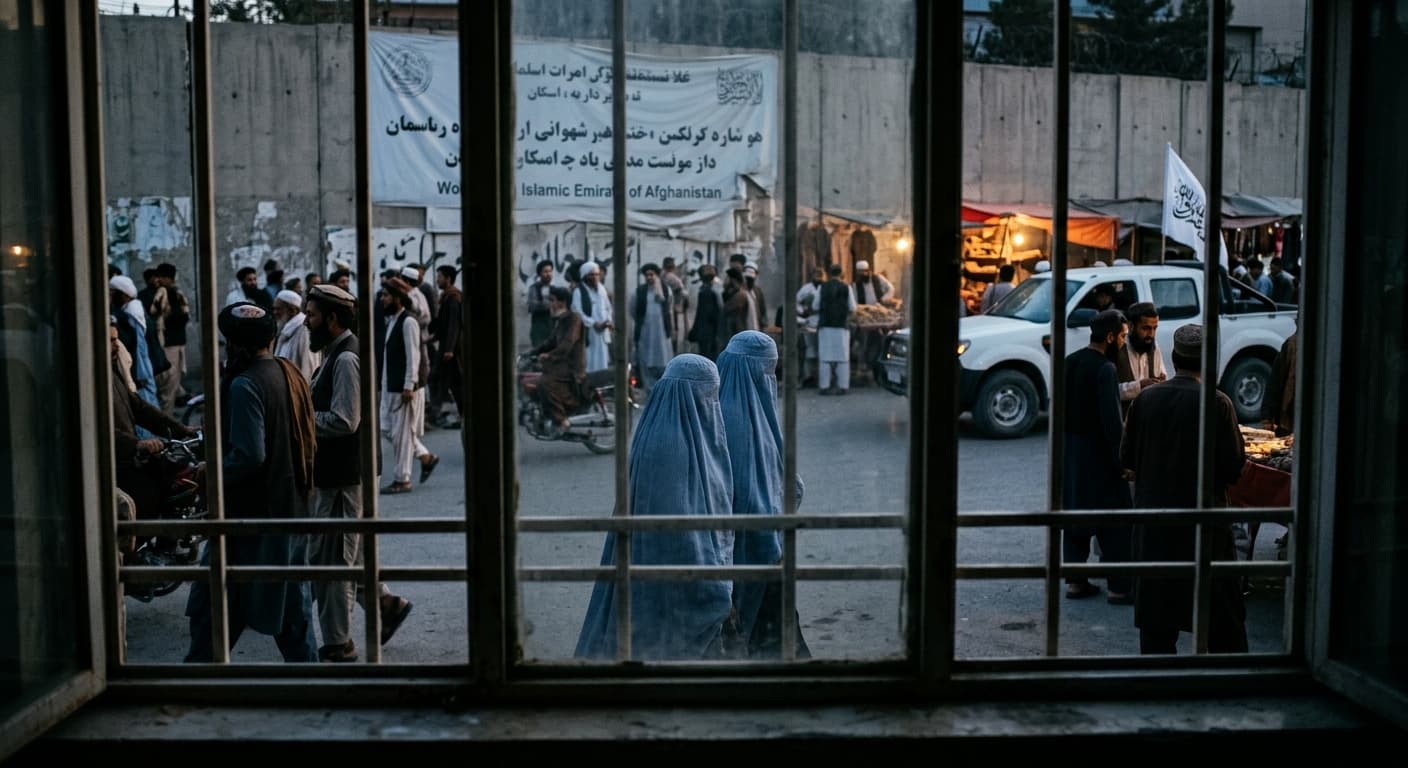
UN data shows Afghan women erased from public life as Russia recognises the Taliban, EU hosts officials in Brussels, and ICC warrants for gender persecution go unenforced.