Trump Halts Hormuz Mission Amid Iran Talks
U.S. eases maritime pressure to facilitate Iran negotiations.
Model Diplomat2 min readMiddle East

Trump Pauses Hormuz Mission as Iran Deal Talks Stall
Trump is easing the U.S. escort mission in Hormuz to keep Iran talks alive, but the blockade stays and the market risk remains.
Trump is trading maritime pressure for bargaining time. He said the U.S. would pause “Project Freedom” — the effort to move ships through the Strait of Hormuz — while keeping the blockade on Iranian ports in place, framing the move as a short pause to finalize an agreement with Tehran. He also said the decision followed requests from Pakistan and other countries. Al Jazeera
NPR/AP
Why this matters
The power dynamic is simple: Iran still holds the choke point, and Washington is trying to turn military control into negotiating leverage. The Strait of Hormuz carries about a fifth of global oil and LNG flows in normal times, and traffic through it has collapsed since the war began. Reuters said shipping through the strait had fallen 97% from normal levels, while U.S. blockade measures since April 13 have threatened roughly 2 million barrels a day of Iranian exports. Reuters
Reuters
For Washington, the upside is obvious: if even a limited corridor opens, Trump can claim he forced Tehran to talk and protected global energy flows. For Iran, the cost is also obvious: every ship that gets through safely weakens its ability to use the strait as bargaining leverage. That is why the U.S. operation was presented as “defensive,” not just military theater. For the wider geopolitical frame, see Global Politics and
United States.
AP
The real risk: a pause can look like weakness
The danger is that a pause invites miscalculation. AP reported that the U.S. operation involved more than 100 aircraft and about 15,000 service members, and that only two merchant vessels had crossed under U.S. protection before the pause. That is not a stable commercial regime; it is a temporary military corridor. If insurers and shipowners read the pause as unresolved rather than safe, traffic will stay depressed even if neither side wants a wider war. AP
What to watch next
The next decision point is whether the pause becomes a signed deal or just a brief reset. Watch three things: whether Tehran stops challenging transit, whether the U.S. keeps the blockade on Iranian ports, and whether oil and freight prices ease. The historical precedent is not encouraging: in the 1980s Tanker War and again in 2019, Hormuz disruptions produced volatility even when the strait never fully shut. Reuters
AP
Discover more
Global
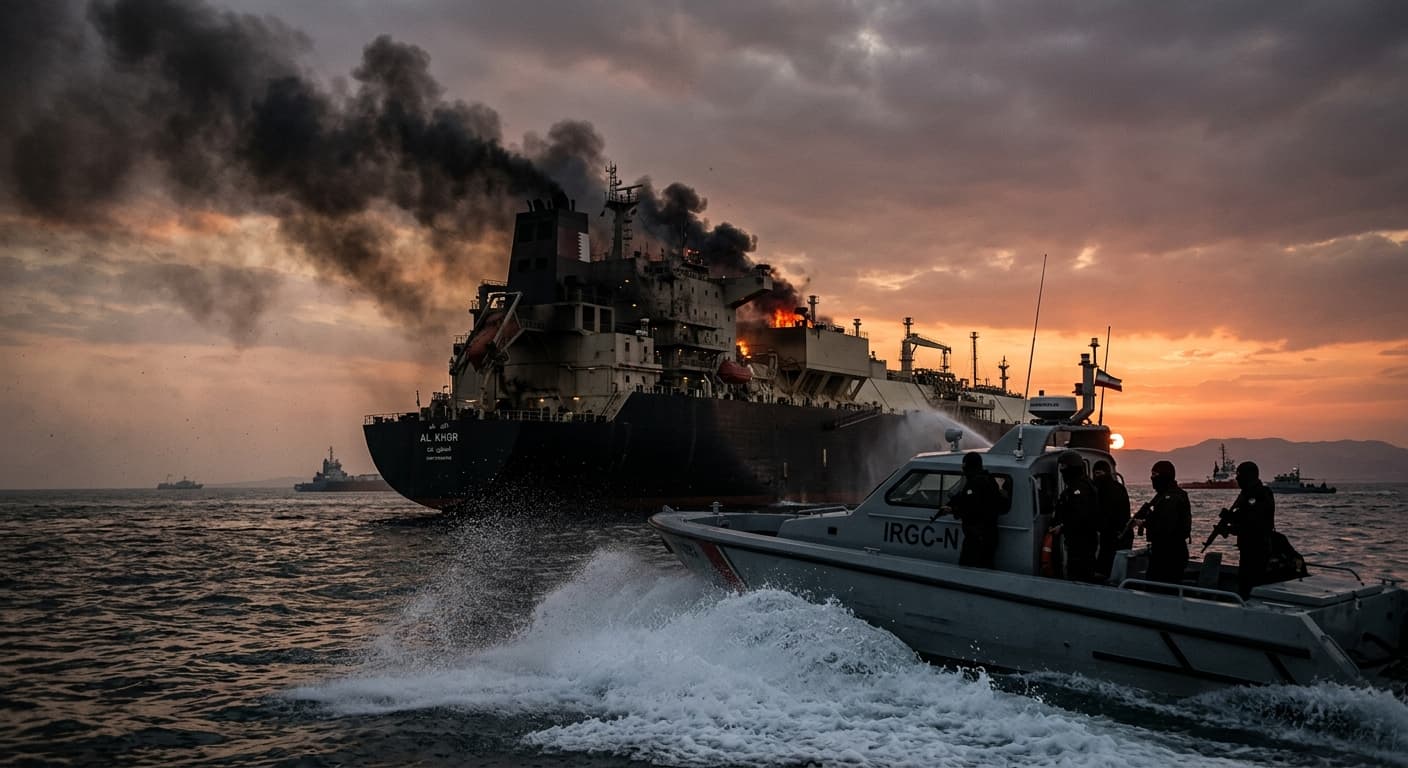
Qatari Tanker Strike Exposes Hormuz Tensions
A Qatari tanker was struck off Oman, revealing the fragility of the Hormuz ceasefire and Iran's influence over maritime security.
Global
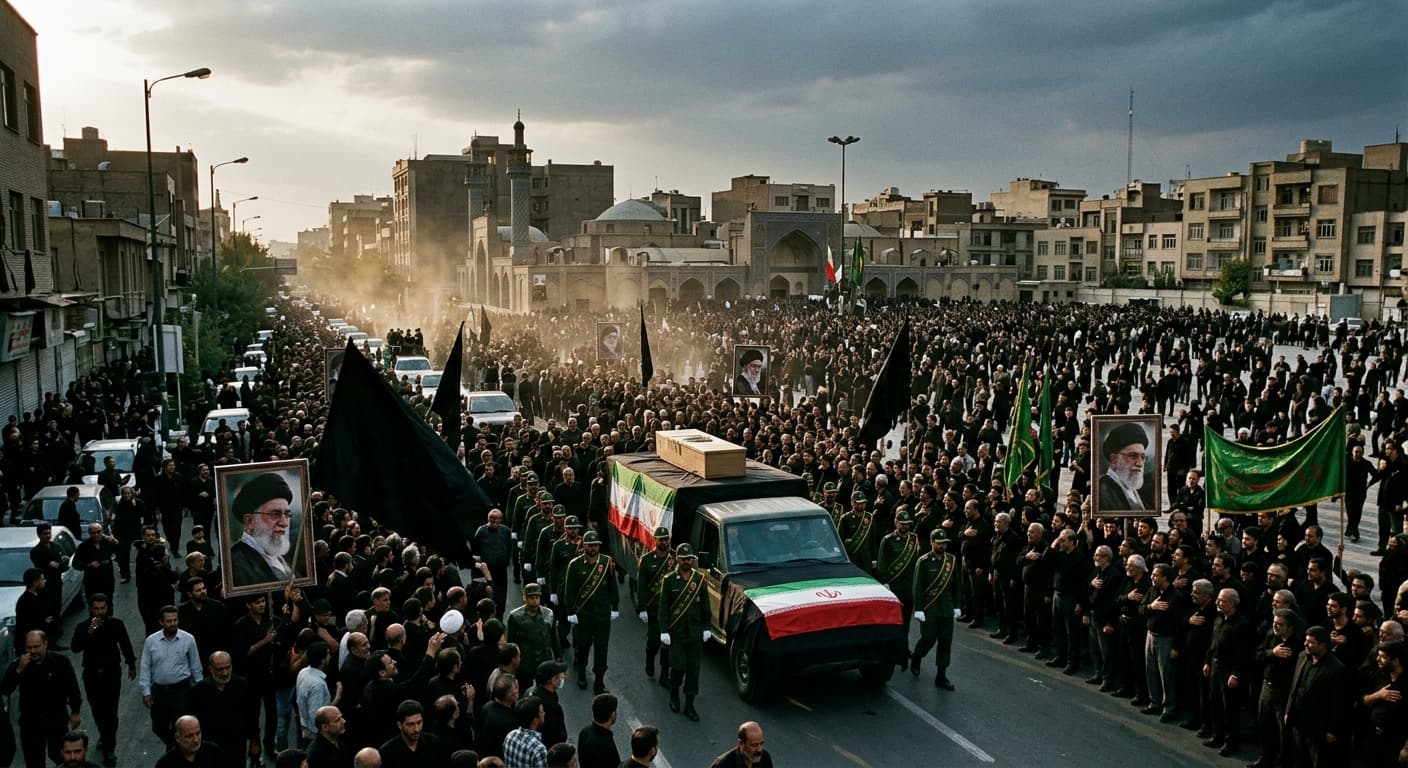
Khamenei's Funeral Signals Iran's Decline
The funeral of Ayatollah Khamenei highlights Iran's diminished influence in the Gulf, with regional powers now dictating terms.
Global
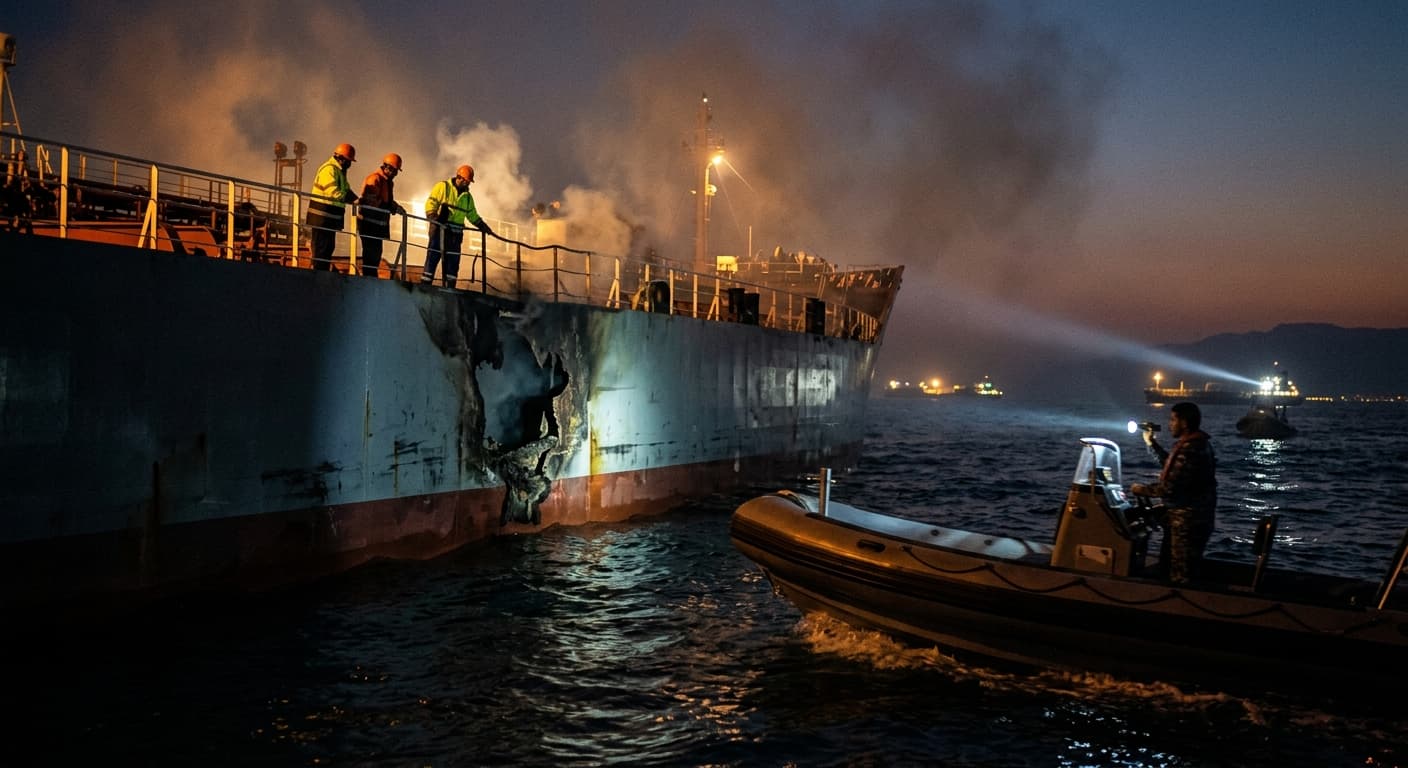
Iran's Hormuz Missile Strikes: A Toll Booth
Iran's missile attack on a Qatari-linked tanker highlights Tehran's strategy to control the Strait of Hormuz, impacting Gulf states and maritime law.
Tech Policy
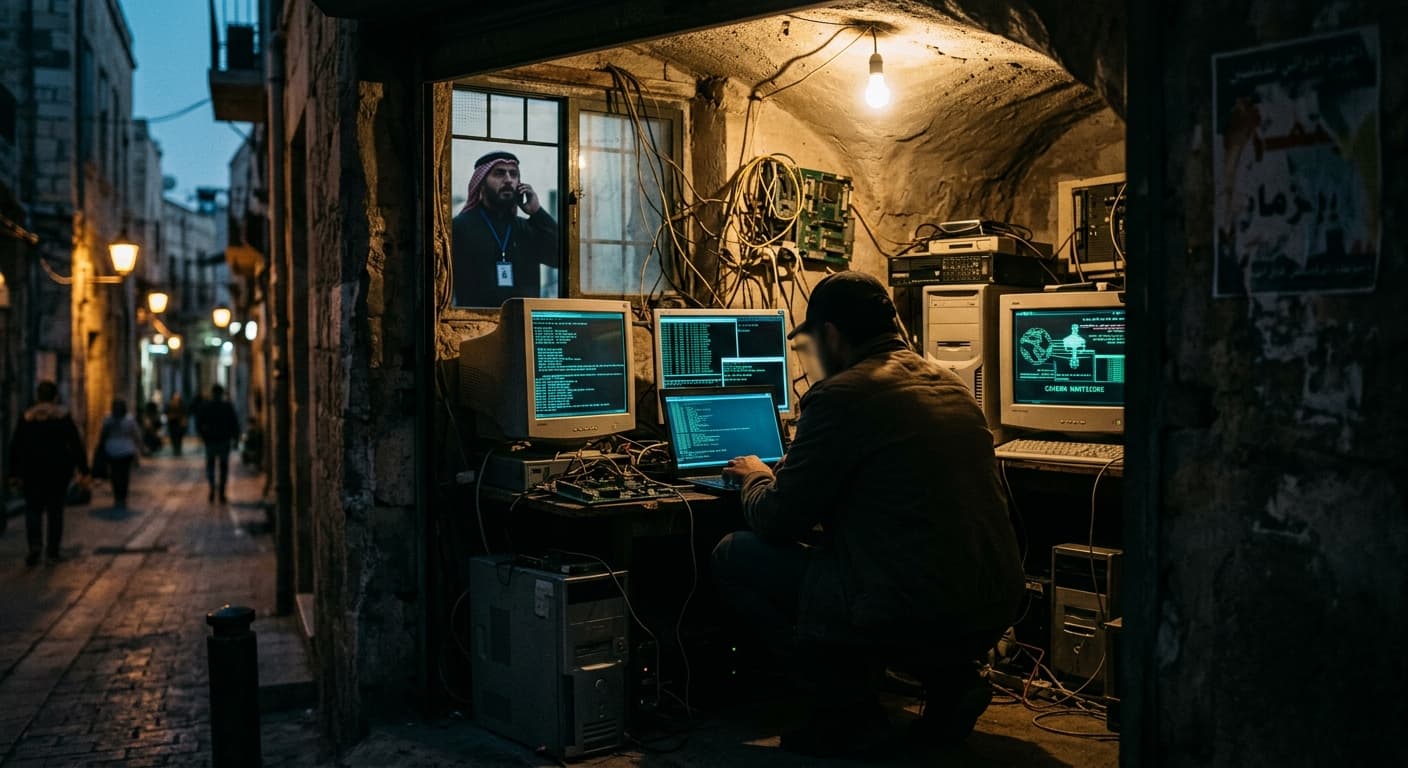
Iran's Cavern Manticore Targets Israel's IT
Cavern Manticore, an Iran-linked hacking group, targets Israeli IT vendors, prompting a shift in Israel's cybersecurity policy and legislative efforts.