Trump Promotes Tax Cuts in Las Vegas
GOP tax breaks clash with local concerns over living costs.
Model Diplomat3 min readUnited States
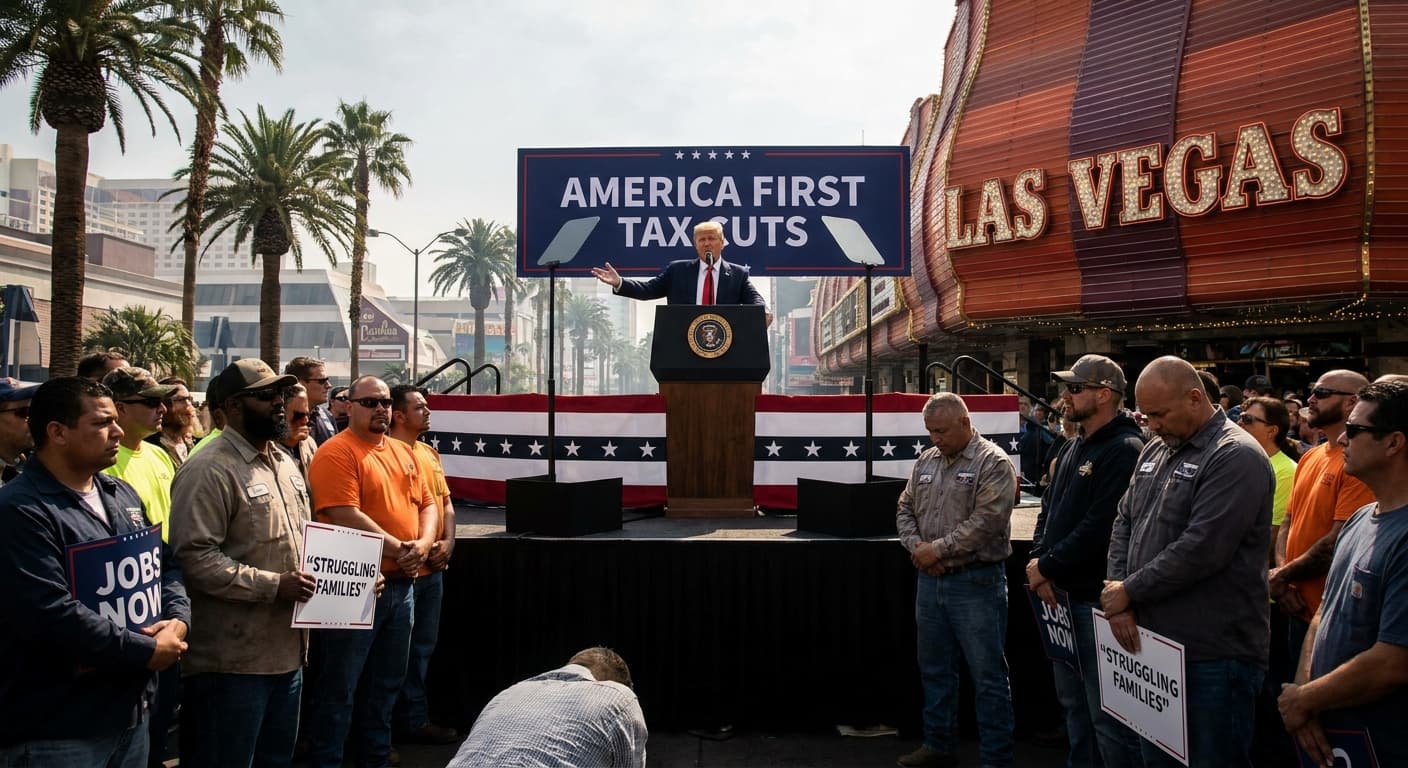
Trump Pushes Tax Breaks in Las Vegas Amid Local Economic Concerns
President Trump’s Las Vegas visit spotlights GOP tax cuts, clashing with local frustrations over cost of living and services.
President Donald Trump landed in Las Vegas on April 16, 2026, to champion the tax cuts his administration passed last year, casting the policy as a pillar of Republican economic success ahead of the midterms. The event sought to highlight the impact of these GOP-backed tax breaks on the national economy, pitching them as a boon for working Americans. Yet the choice of Las Vegas—a city grappling with rising inflation, stretched public services, and housing affordability challenges—draws attention to a complex political and economic dynamic beneath the surface.
Why This Matters: The Disconnect Between Tax Policy and Local Reality
Trump’s visit isn’t just a routine rally; it’s a strategic effort to demonstrate Republican competence on the economy, a perennial voter priority, especially as November approaches. The 2025 tax reforms promised broad relief through lower income taxes, business incentives, and easing capital gains burdens. Supporters argue this drives investment and job growth, a message Trump is hammering home in Las Vegas.
But the local mood is mixed. Las Vegas residents are contending with high energy costs, rising rents, and strained public infrastructure, issues that tax cuts don’t directly address. Many see the immediate benefits of tax breaks as muted by inflationary pressures and a growing wealth gap. According to a recent survey, over 60% of Las Vegans express concerns about affordability, a stark contrast to national economic optimism portrayed at the rally. This disconnect suggests that while tax policy may stimulate economic activity, it doesn’t necessarily translate into tangible improvements in everyday living conditions for key constituencies.
The choice of Las Vegas also underscores the political stakes. Nevada is a swing state critical to both parties’ midterm strategies. Trump’s presence here attempts to shore up Republican support by reminding voters of the party’s economic agenda and pushing back against Democratic narratives that emphasize social spending and regulatory interventions.
What to Watch Next: Midterm Impact and Policy Recalibrations
Trump’s focus on tax breaks in a city where residents feel ambivalent signals a test. The Republican Party bets on economic messaging to offset Democratic advances on social justice and climate issues. How Las Vegas voters respond in the coming months may indicate whether tax policy alone can carry the GOP or if there’s a need to address broader socioeconomic challenges more directly.
At the national level, any new tax-related initiatives or modifications could reflect lessons learned from this feedback loop. If economic inequality and cost pressures dominate voter conversations, Republicans might pursue more targeted relief measures, perhaps blending tax cuts with expanded support for housing, energy, and healthcare affordability.
This episode also highlights a perennial tension in American politics: the gap between headline economic metrics and lived realities. Republicans tout GDP growth and stock market gains, but voters weigh those against their monthly bills and service quality in their communities. Bridging that gap will be critical for both parties as election day approaches.
For more on US political strategies and economic issues, visit our US Politics and
International sections.
Source: Washington Post — Trump to promote tax breaks in Las Vegas
Discover more

US Politics
Mike Johnson's Congress
Speaker Mike Johnson's leadership is reshaping Congress, critics say, enabling Trump's aggressive executive agenda while deepening partisan gridlock today.

US Politics
Global Economic Challenges
Inflation, rising interest rates, and surging defense spending are straining the global economy, complicating IMF and World Bank efforts to sustain recovery.
US Politics
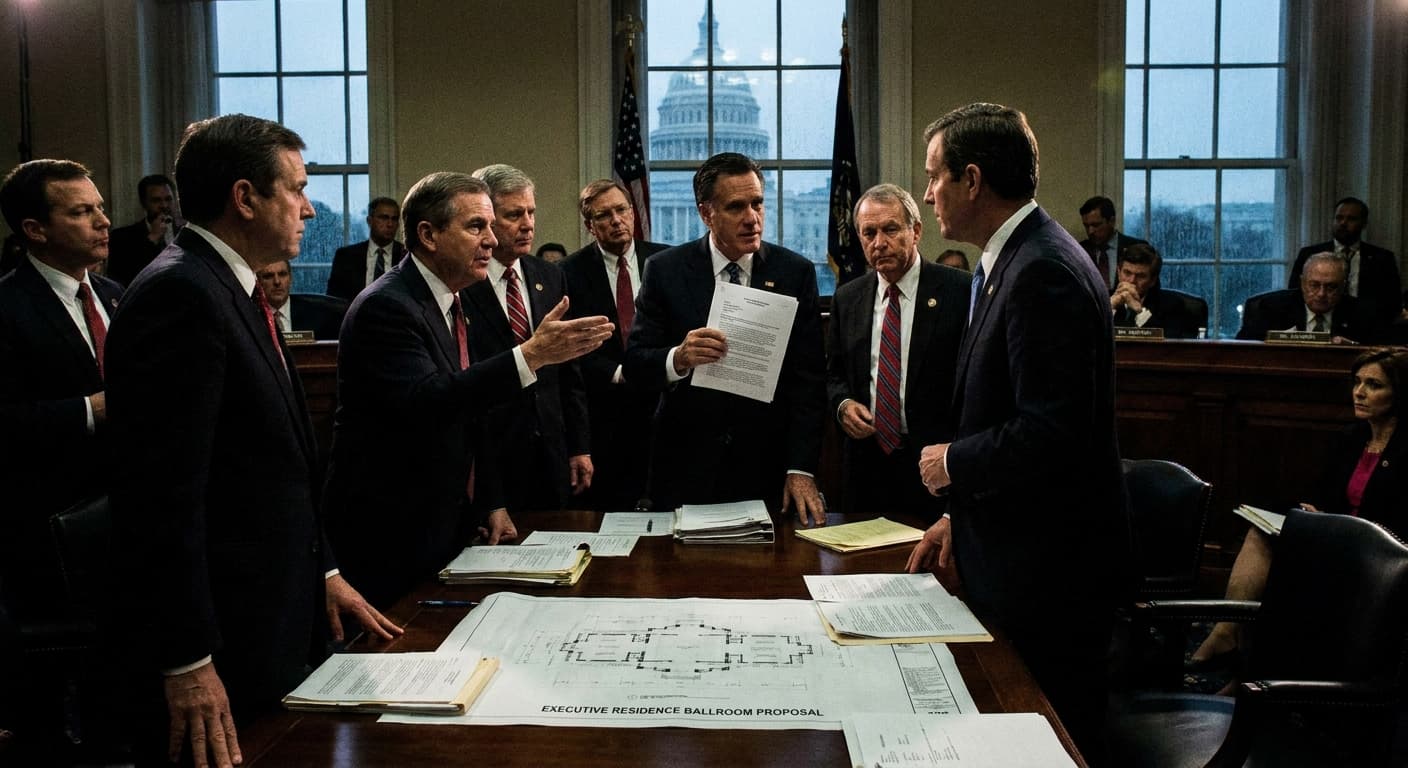
Congress vs. White House: War Powers Clash
Tensions escalate as Congress challenges Trump's war powers and ballroom plans, exposing deepening conflict between executive authority and legislative power.

Conflict & Security
Drone Warfare Killing Aid Workers at Unprec
Over 1,000 humanitarian workers killed in three years as cheap armed drones collapse legal protections. Gaza, Sudan, Ukraine, and DRC see deliberate targeting of aid convoys and hospitals with zero prosecutions.