Timor-Leste's Ramos-Horta Gamble Pays Off
Ramos-Horta's presidency reshapes Timor-Leste's political landscape.
Model Diplomat3 min readasia
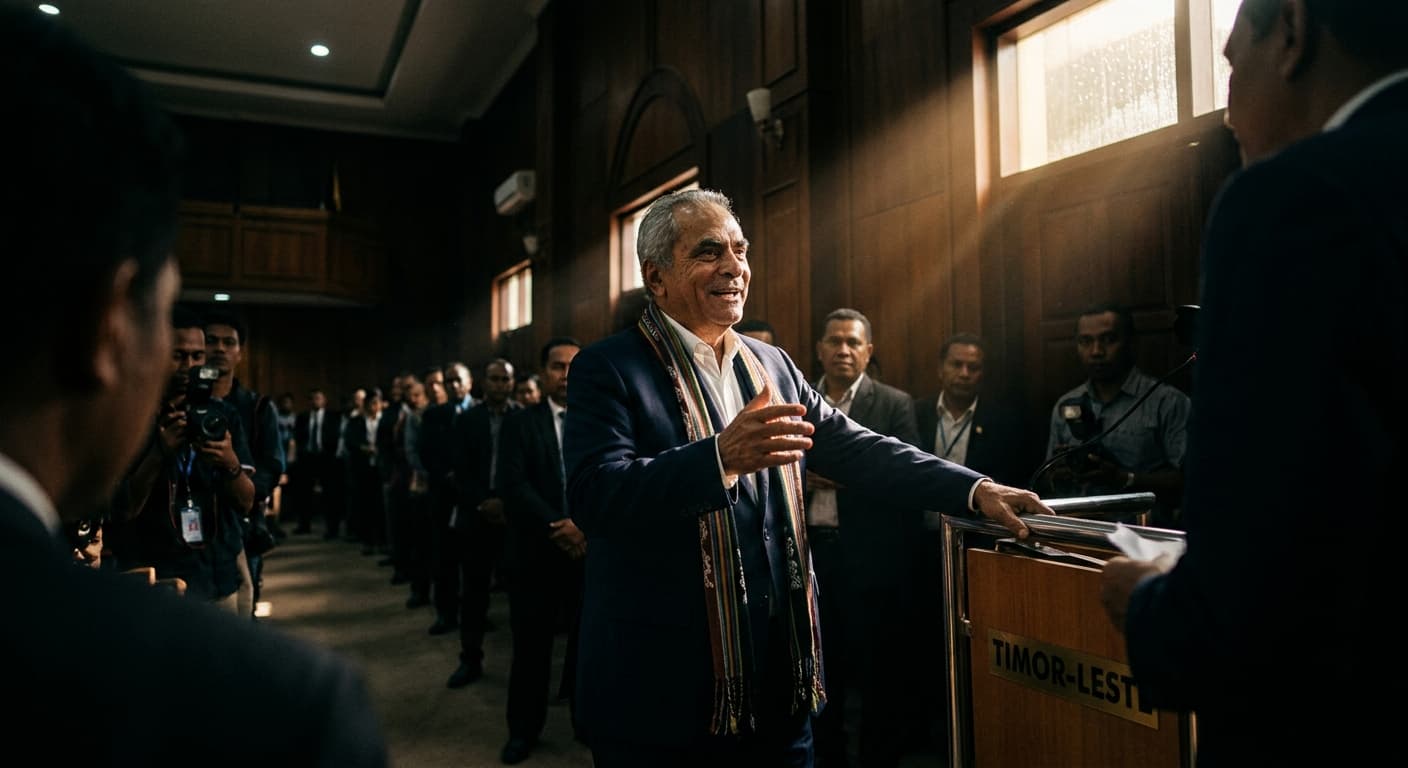
Timor-Leste's Ramos-Horta Gamble Pays Off — But the Petroleum Fund Clock Is Ticking
A 2022 presidential election engineered by Xanana Gusmão reset Timor-Leste's politics. Three years on, the payoff includes ASEAN membership and restored CNRT dominance — but the same existential economic question remains.
José Ramos-Horta won Timor-Leste's April 2022 presidential election with 62.09% of the vote, decisively defeating incumbent Francisco "Lu Olo" Guterres in a second-round runoff that drew 71.6% turnout, according to Al Jazeera. Sworn in on May 20 — the 20th anniversary of independence — the Nobel laureate returned to an office he last held in 2012. But the political operator behind his victory was not Ramos-Horta himself. It was Xanana Gusmão, the 75-year-old former guerrilla leader and first president, whose CNRT party supplied the organizational muscle and vote bank that made the landslide possible.
The prize Gusmão sought was not the presidency. It was a path back to executive power — and the resurrection of his legacy project, the Greater Sunrise oil and gas development.
The Deal Behind the Victory
Ramos-Horta ran as an independent but was functionally the CNRT candidate. The party had withdrawn from the governing coalition in 2020 after President Lu Olo refused to swear in CNRT ministers facing corruption allegations — a standoff Ramos-Horta himself described as "an abuse of power by overstepping the boundaries of the president's authority," per his interview with Al Jazeera.
CNRT's backing came with an explicit ask: dissolve parliament and call early elections. Ramos-Horta initially signaled he would, then reversed course two days before his inauguration, telling Al Jazeera the country would be "paralysed for several months" and the "economic situation would get far worse." Gusmão, for his part, publicly agreed to wait for the scheduled 2023 contest.
The retreat was tactical, not principled. Everyone in Dili understood that Ramos-Horta's presidency was a bridge to CNRT's return via the parliamentary ballot.
The 2023 Payoff
That return materialized on schedule. In May 2023, CNRT won 42% of the parliamentary vote against FRETILIN's 26%, per Al Jazeera. Gusmão, at 76, reclaimed the prime ministership he had held from 2007 to 2015. The resistance-generation duopoly — Ramos-Horta in the palace, Gusmão in government — was fully restored.
Geoffrey C. Gunn, writing in Asia Maior, framed the election as a pivot point between two competing visions: one prioritizing big hydrocarbon infrastructure, the other favoring job creation and rural development as urged by the World Bank. The 2023 result was an unambiguous mandate for the infrastructure camp.
The World Bank's August 2023 economic report underscored the stakes: the fiscal deficit hit 63.7% of GDP in 2022, inflation reached 9.6% by March 2023, and the Petroleum Fund — which finances roughly 85% of government spending — faced depletion by 2034 if withdrawal rates continued unchecked, according to the World Bank. The Bayu-Undan field, which generated the vast majority of the $19 billion fund, ceased production in 2023.
ASEAN: The 14-Year Campaign Concludes
One area where Ramos-Horta delivered beyond the CNRT power play was ASEAN accession. Timor-Leste first applied in 2011. In 2022, under Cambodia's ASEAN chairmanship, it was granted observer status. By September 2023, Ramos-Horta told Al Jazeera the preference was to "join in 2025, which will give us two years to reach the milestones laid out in the roadmap." That timeline held: on October 26, 2025, Timor-Leste became ASEAN's 11th member at the Kuala Lumpur summit, an outcome Gusmão called a "dream realised," per
Al Jazeera. The
IMF noted the accession is expected to improve market access and strengthen the environment for foreign investment, though structural reforms remain critical.
What to Watch
The political story of 2021–2025 is one of restoration — the resistance generation retaking full control. The economic story is unresolved. The Greater Sunrise development, which Dili insists must pipe gas to its south coast rather than existing Darwin facilities, remains the defining bet. If it stalls or fails to deliver sufficient revenue before the Petroleum Fund runs dry, the CNRT-FRETILIN rivalry that Ramos-Horta's presidency papered over will resurface. The next stress test is not an election. It is whether the 2026 budget can credibly bend the spending curve.
Discover more
India
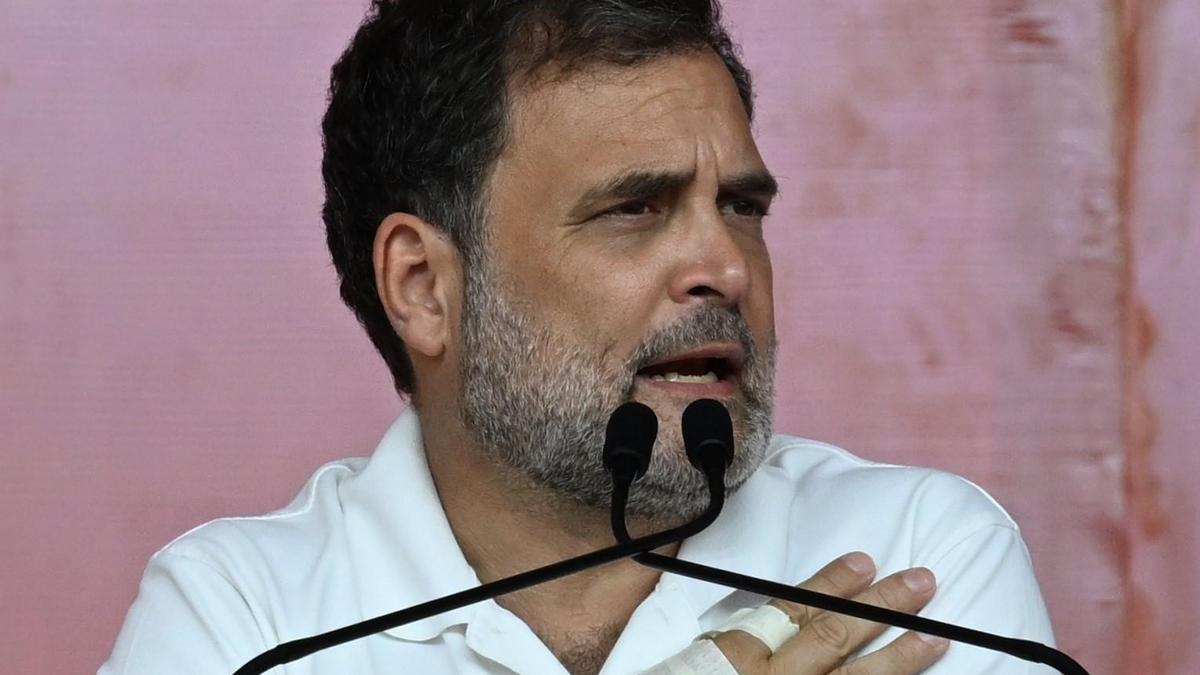
Rajnath Singh's Durga Squad for 2026 Polls
Rajnath Singh's Durga Squad promised women's safety in Bengal but has since disappeared from the agenda, revealing BJP's true priorities.
US Politics
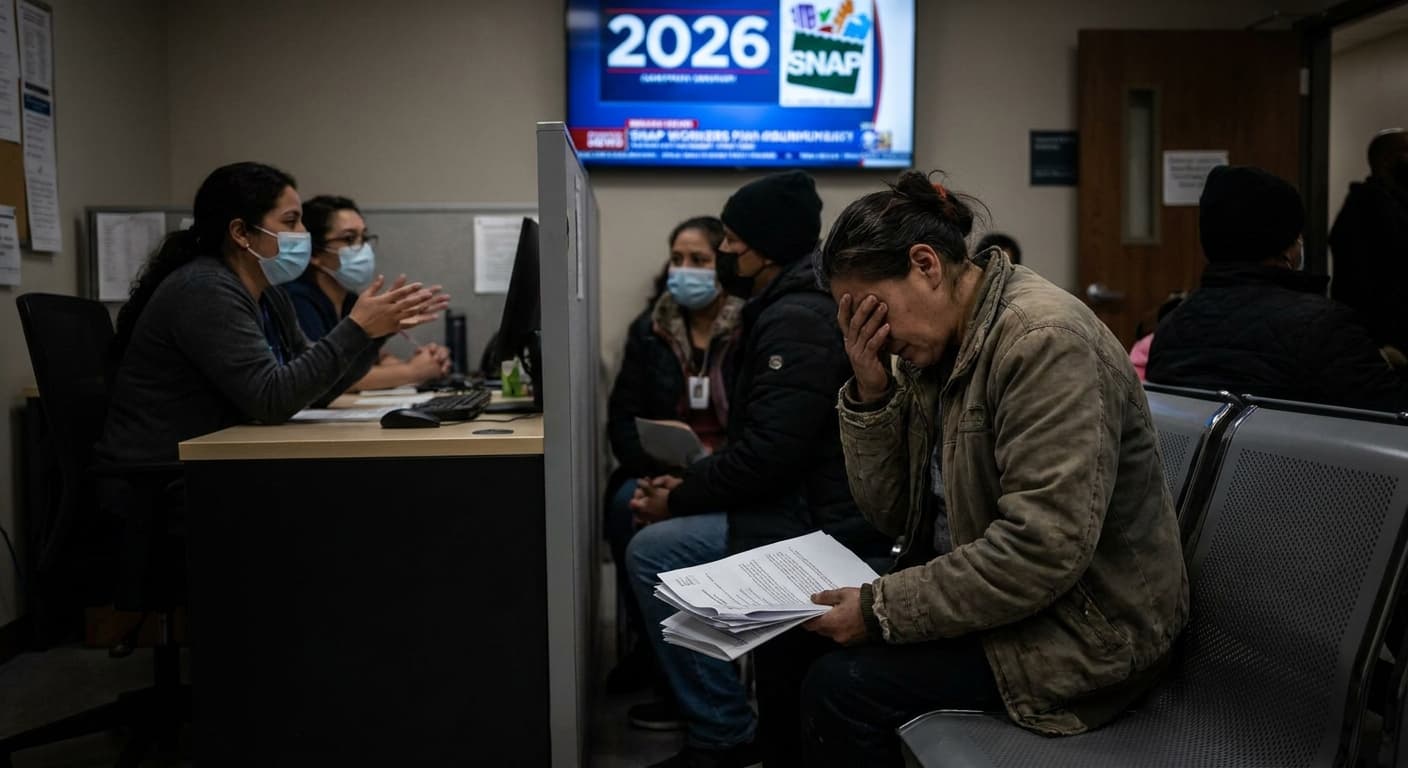
SNAP Food Assistance Faces Legal Challenges
In 2026, SNAP faces stricter eligibility rules and mounting legal challenges, threatening food assistance for the millions of Americans who rely on the program.

US Politics
Virginia GOP Rallies Rural Voters Against Red
Virginia Republicans are mobilizing rural voters against a Democratic-led redistricting referendum, a fight seen as pivotal to control in the 2026 midterms.

Conflict & Security
Drone Warfare Killing Aid Workers at Unprec
Over 1,000 humanitarian workers killed in three years as cheap armed drones collapse legal protections. Gaza, Sudan, Ukraine, and DRC see deliberate targeting of aid convoys and hospitals with zero prosecutions.