Thailand-Cambodia Truce: Families in Limbo
Ceasefire halts fighting but not the humanitarian crisis.
Model Diplomat3 min readSoutheast Asia
Thailand-Cambodia Truce Leaves Border Families in Limbo
Border fighting has stopped, but Cambodia’s displacement crisis is still deep and Bangkok’s leverage over any settlement remains intact.
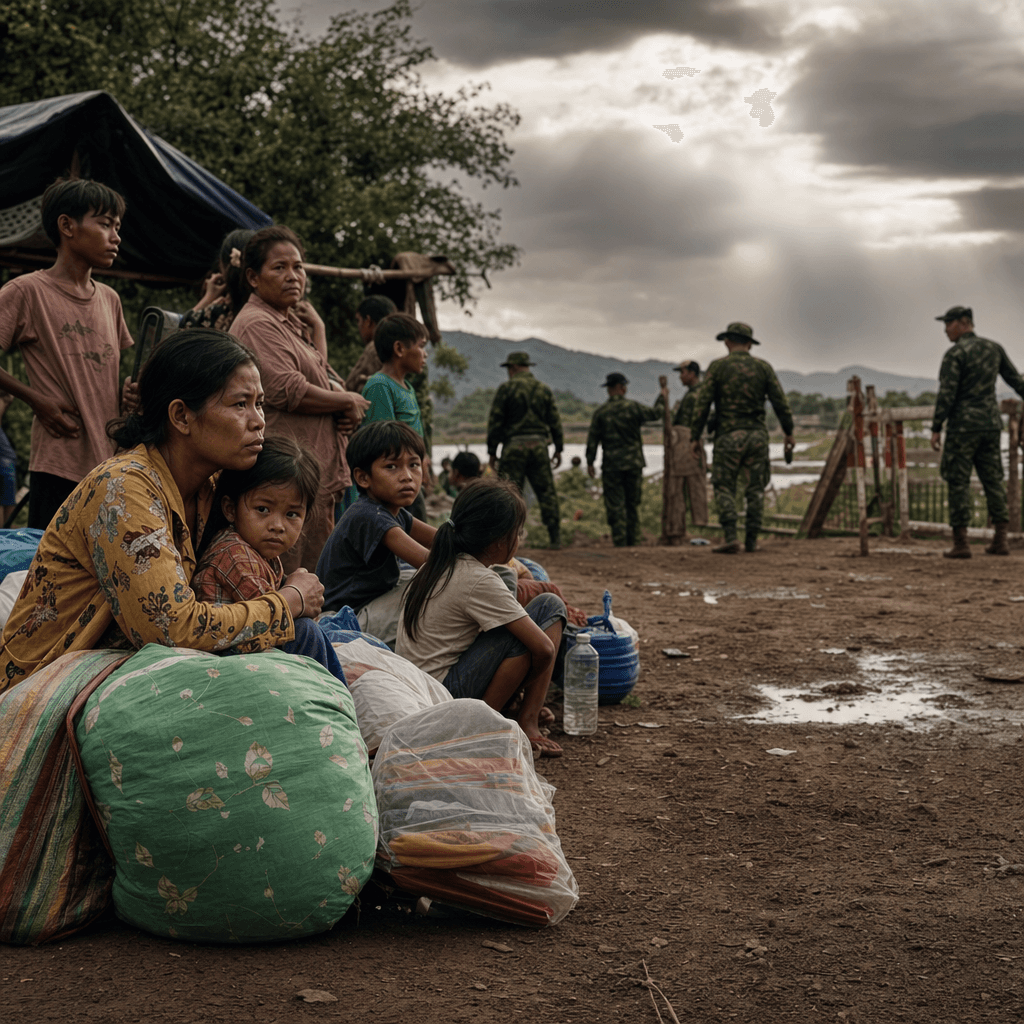
Thailand’s ceasefire has ended the artillery, but not the crisis. Al Jazeera reports that more than 34,440 Cambodians remain in displacement camps this month, including 11,355 children, five months after the December 27 truce between Cambodian and Thai officials. Families in Preah Vihear are still moving between tents, temporary shelters and half-reopened schools, while some children have already dropped out or are missing classes because the daily logistics no longer work (Al Jazeera).
The leverage is still military, even if the guns are quiet
Thailand enters this phase with the stronger hand. Al Jazeera notes that Bangkok has a modern air force, which Cambodia does not, and that the two rounds of fighting last year killed dozens and pushed hundreds of thousands from their homes (Al Jazeera). That asymmetry matters because a ceasefire only freezes the battlefield; it does not settle who controls the border, which roads stay open, or which communities can safely return.
That is why Cambodia is leaning on the humanitarian cost. Phnom Penh wants the border issue framed as a civilian emergency and a legal dispute, not just a security standoff. In April, Cambodia urged Thailand to resume border talks and said it was ready to work “quickly and with sincerity,” while Thailand’s foreign minister said Bangkok was not yet ready to restart negotiations (The Straits Times). Cambodia’s tactic is clear: keep the issue international, keep the pressure on, and use the suffering in the camps to raise the cost of delay.
Why the ceasefire is fragile
The problem is that the truce has not produced a political settlement. Reuters, as carried by The Straits Times, said the two leaders met on the sidelines of ASEAN talks in Cebu on May 7 and pledged trust-building measures, but troops remain deployed on both sides of the 817-km border and Cambodia still accuses Thailand of ceasefire violations (The Straits Times;
South China Morning Post).
That is the key power dynamic: Thailand can sustain pressure at the frontier, while Cambodia can only raise the diplomatic and humanitarian price of stalemate. The result is a ceasefire that contains violence but still leaves both sides competing for facts on the ground. Phnom Penh says some disputed areas remain occupied by Thai forces; Bangkok rejects that charge. Without a joint mechanism that both militaries trust, every temple, roadblock and troop rotation becomes another potential flashpoint (The Straits Times;
South China Morning Post).
What to watch next
The next decision point is whether the Cebu pledges produce a real border process: a joint commission, monitored pullbacks, or simply more statements. Also watch whether schools and health centres in frontier provinces reopen fast enough to make return possible; Cambodian outlets have reported dozens of facilities still shut in border provinces even after most displaced people went home (The Straits Times;
Al Jazeera).
For the wider diplomatic frame, see Global Politics and
Conflict. The test now is simple: whether the truce becomes a border settlement, or just a pause that leaves Cambodian families stuck in camps through the next school term.
Discover more
International Relations
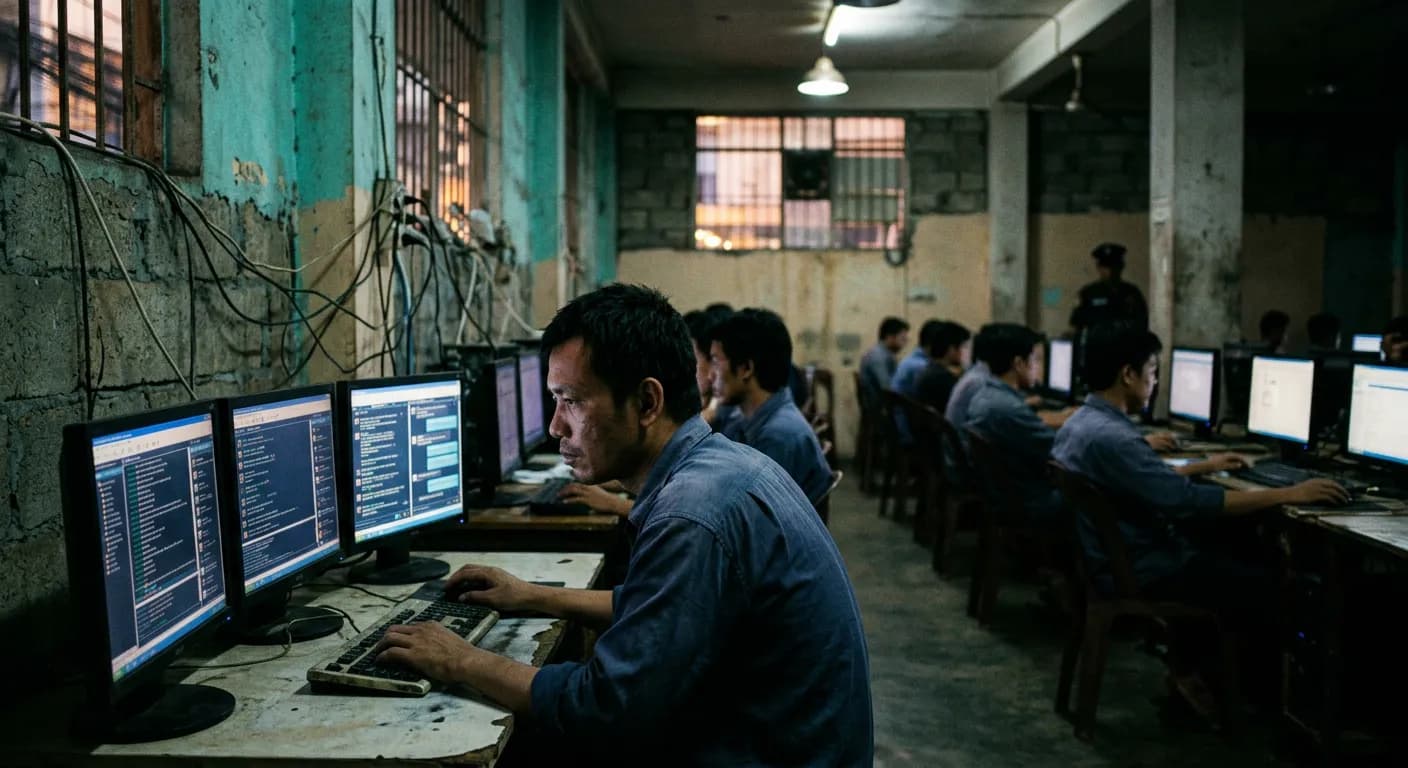
Myanmar Scam Operations Persist Despite Raids
Myanmar's online scam operations persist despite crackdowns, with more than 5,300 trafficking victims still trapped in militia-run compounds near Thailand.

Conflict & Security
Drone Warfare Killing Aid Workers at Unprec
Over 1,000 humanitarian workers killed in three years as cheap armed drones collapse legal protections. Gaza, Sudan, Ukraine, and DRC see deliberate targeting of aid convoys and hospitals with zero prosecutions.
Global
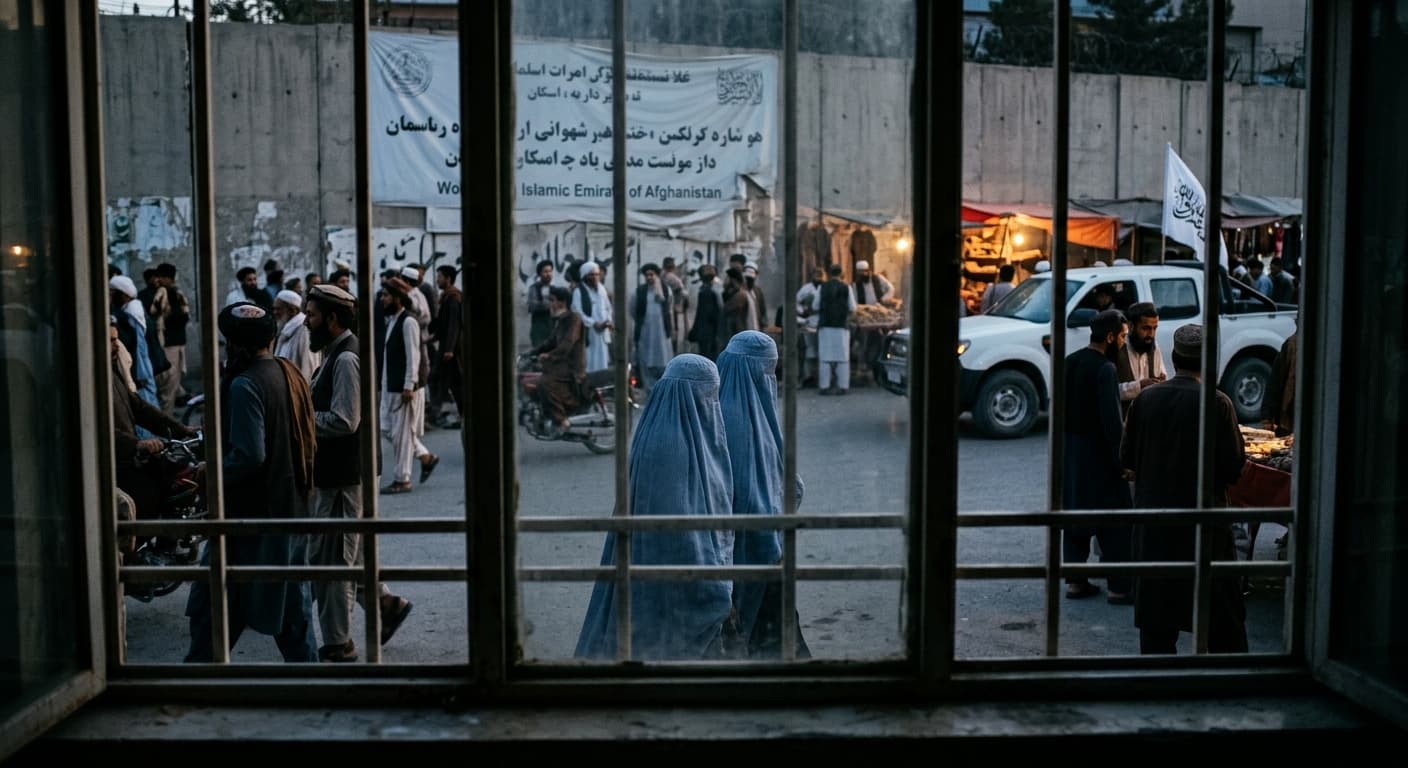
World Normalises Taliban as Afghan Women Eras
UN data shows Afghan women erased from public life as Russia recognises the Taliban, EU hosts officials in Brussels, and ICC warrants for gender persecution go unenforced.
Conflict & Security
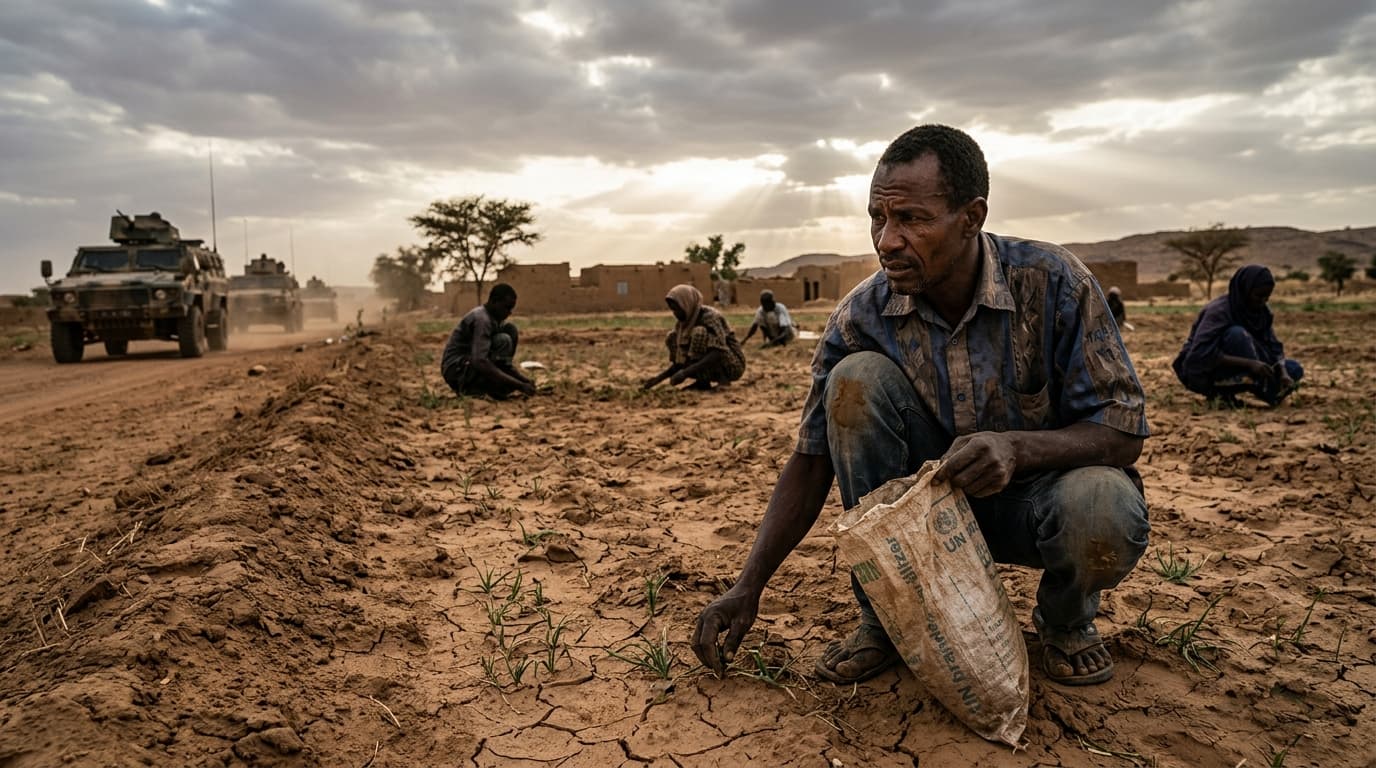
West Africa Food Crisis: Three Shocks in 2026
Conflict, climate extremes, and the Strait of Hormuz closure drive a severe food crisis in West and Central Africa, with fertilizer prices surging 80% and millions displaced.